

PC+ABS Lower Cover Injection Molding Solution for Wireless Charging Housings
Custom mold development, DFM analysis, precision machining and stable mass production for a PC+ABS housing lower cover with mounting flanges and a flat sealing face.
A lower cover is the half of a housing nobody sees and every assembly depends on. This one – the PC+ABS bottom shell of a wireless charging unit – carries the mounting flanges that fix the assembly into the device, seals against the upper cover along a flat perimeter, and holds internal bosses and ribs for the electronics. It is a structural, dimension-critical part: if the flange holes drift or the sealing face bows, the assembly line feels it immediately.
Kunshan Maifeng Precision manufactures this cover as a complete solution – mold design, DFM analysis, precision machining, mold testing and mass production, all in-house. The sections below summarize the material logic, the tooling decisions behind the side-action structure, and the production controls that keep every batch identical.
Why PC+ABS for the Lower Cover
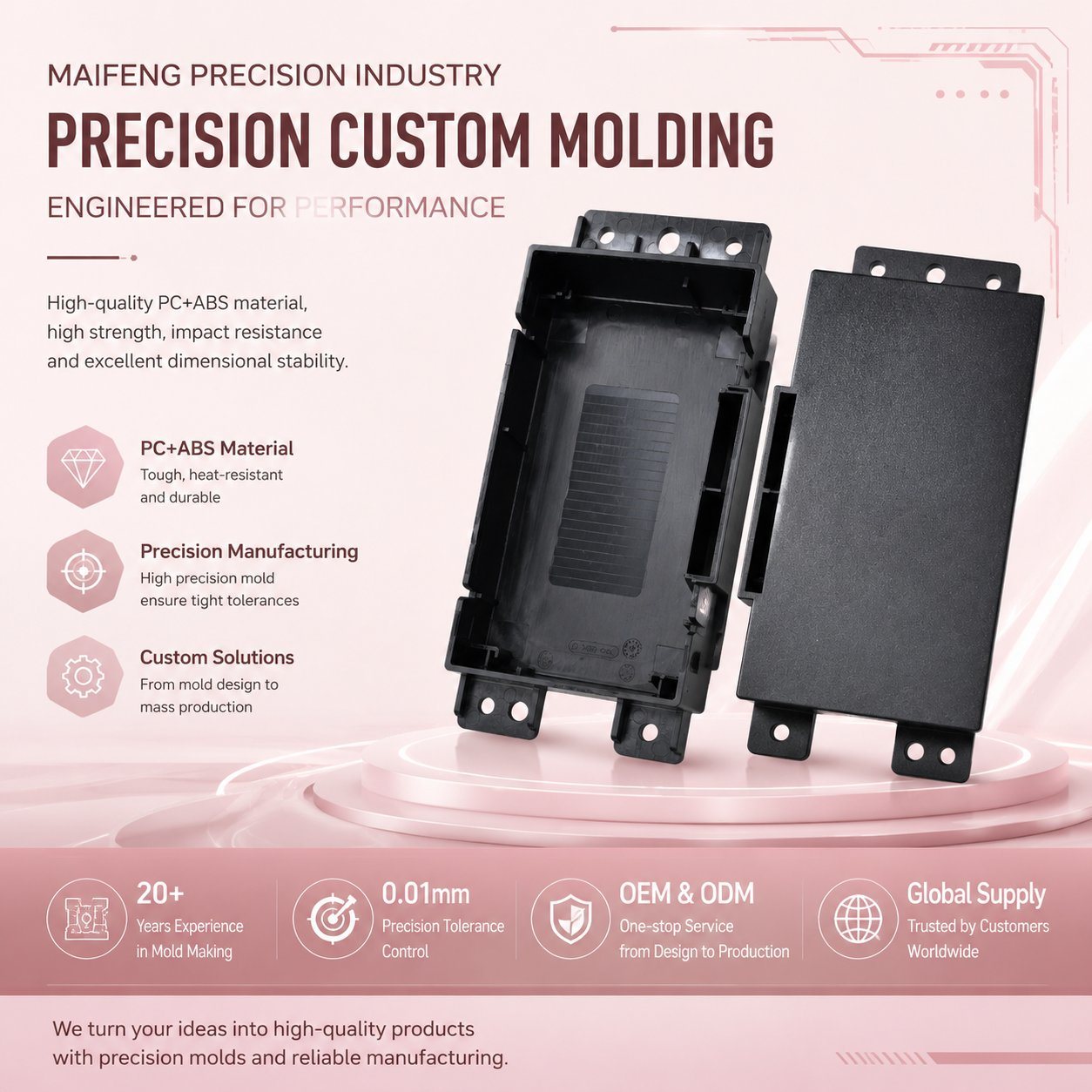
A wireless charger generates heat in operation and lives on a desk or wall mount, so its housing needs a blend of properties no single resin offers. PC+ABS combines the impact strength and heat resistance of polycarbonate with the processability and rigidity of ABS: the cover survives knocks and drops, holds its shape near the electronics, and molds into a clean matte surface that hides fingerprints and fine scratches.
For this part the material also supports tight tolerances at the assembly features. The mounting flanges, snap grooves and boss positions are molded to limits the customer’s assembly checks directly, and the low, stable shrinkage of a filled-grade PC+ABS blend keeps those features in tolerance from the first batch to the hundredth – the practical meaning of “dimensional stability” for an assembly part.
Mold Design: Side Action, Flat Face, Tight Tolerance
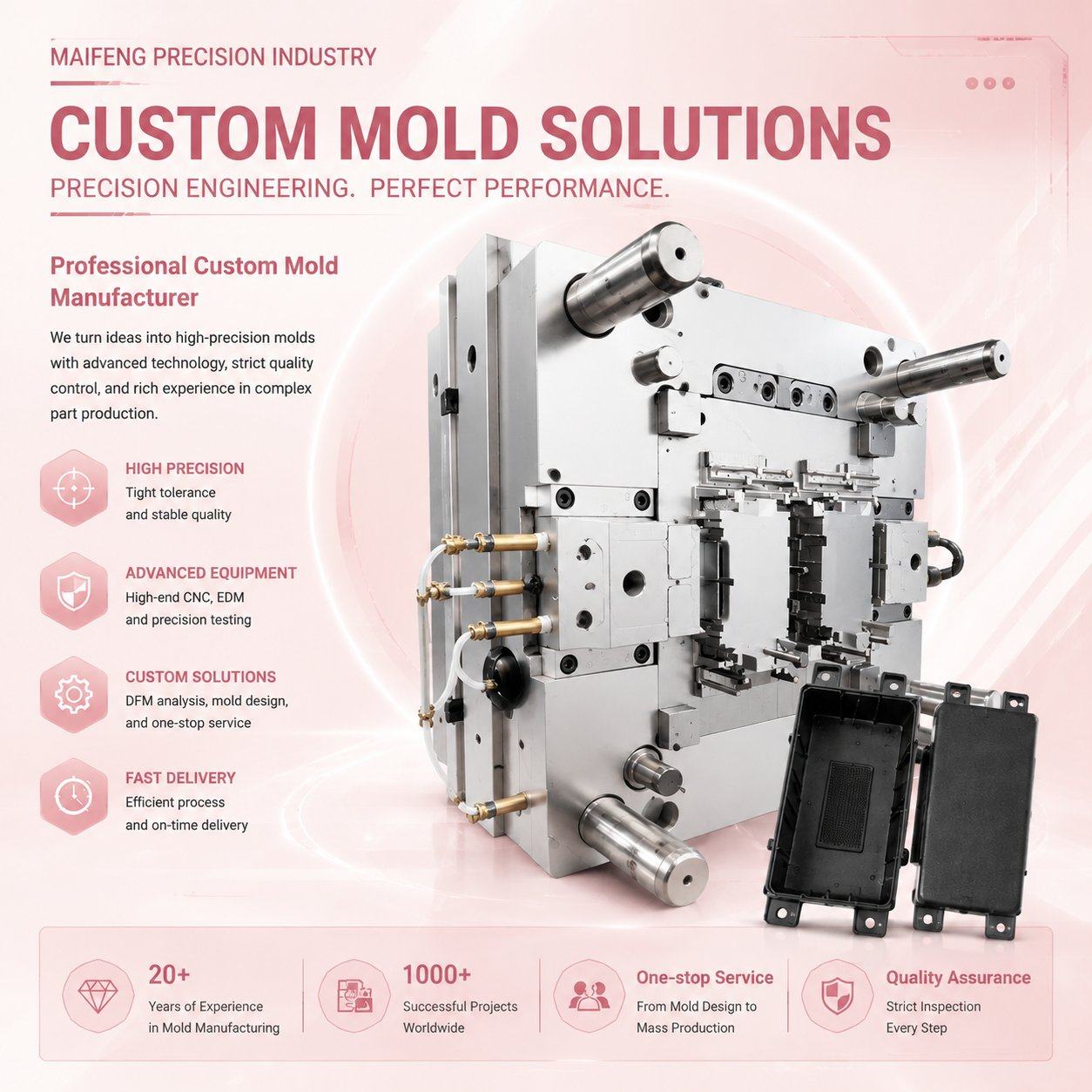
The lower cover is open on one side and walled on three, which puts undercut geometry right where the plastic flows. The mold for this part uses side-action cores to form the side windows and mounting features, sequenced so the cores retract cleanly before ejection. Getting that mechanism right was the core of the DFM review – an angled core that drags or flashes ruins the sealing face it runs against.
The flat perimeter face was the second focus: it seals against the upper cover, so its flatness and freedom from sink over the internal ribs decide whether the assembly closes with a uniform gap. Cooling was balanced around the deep shell, the rib junctions were sized against the wall section, and holding pressure was tuned during trials until the face packed out flat. The mold steels in the side-action sliding surfaces are hardened, because a tool that loses its fit loses the part’s tolerances with it.
From Molding to Quality Inspection and Packaging
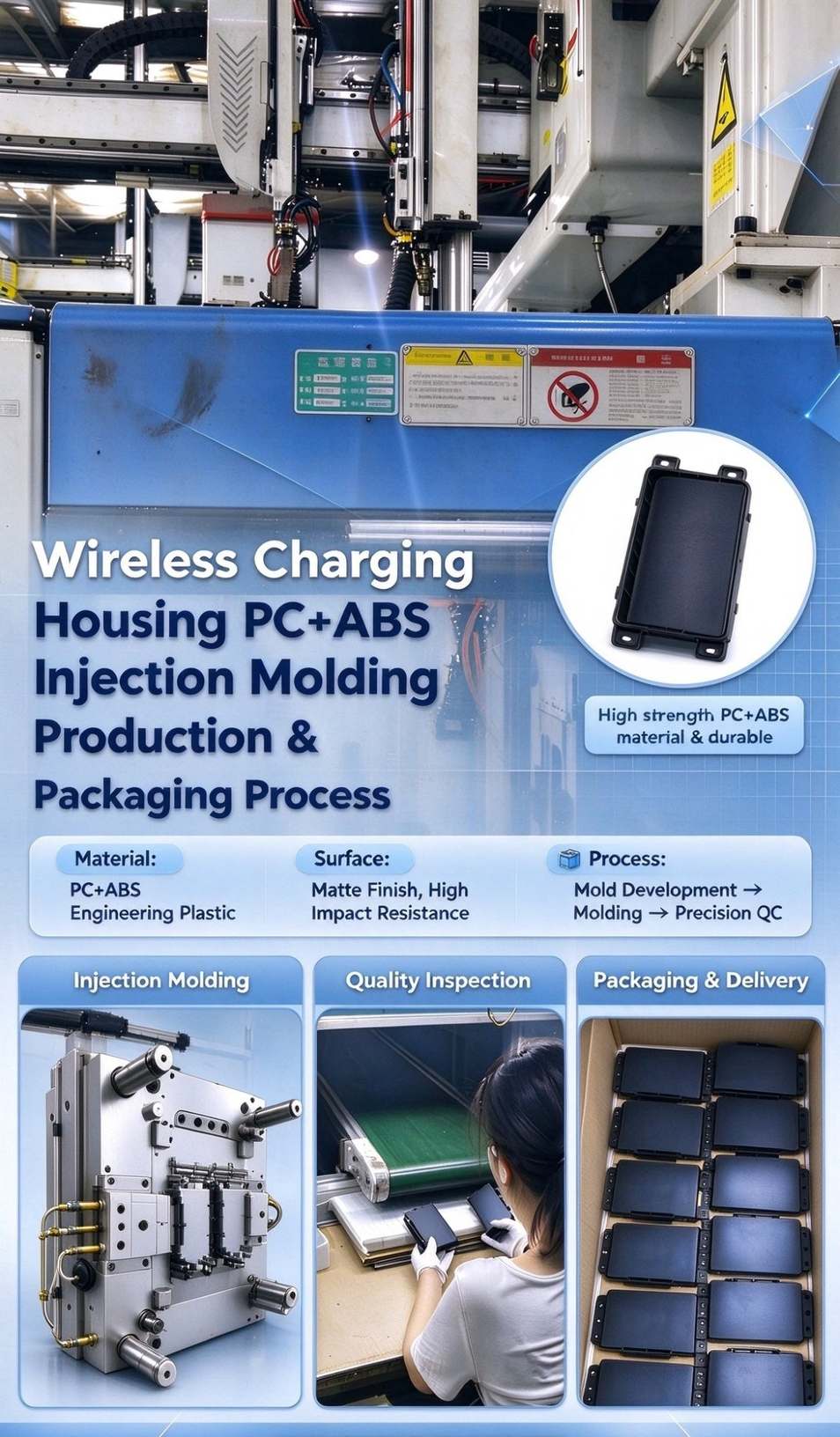
In production, every cycle runs on locked parameters. Sampling covers flange hole positions against the drawing, sealing-face flatness, matte surface appearance and boss dimensions; the covers are mated with the upper housing sample during inspection to confirm the closing gap. Approved parts are wrapped and packed in trays, oriented so the flanges cannot stress each other in transit, and cartoned for delivery.
Key Points Buyers Should Confirm Before Tooling
- Upper cover or mating assembly data – the sealing face and closing gap are designed against it.
- PC+ABS grade selection and any flame-retardance, heat or drop-test requirements.
- Mounting flange positions, hole tolerances and the fastening method.
- Appearance standard for the matte surface, and acceptable gate and parting line positions.
- Expected production volume, inspection requirements and packaging format.
When these points are clear at the beginning, the mold can be designed around real production needs instead of being adjusted repeatedly after trial molding.
Maifeng’s Solution for Housing and Enclosure Projects
Maifeng supports customers with product structure review, DFM analysis, custom mold design and manufacturing, precision machining, mold testing and injection molding production under one roof. For housing and enclosure projects, our value is in catching the side actions, sealing faces and assembly features at the mold-design stage – where corrections cost days, not batches.
If you are developing a lower cover, wireless charging housing or similar PC+ABS enclosure component, you can send drawings, samples, material requirements and expected production volume. Our team will review the project and provide a practical custom mold and injection molding solution, from DFM to mass production.
Contact Us
📩 Email: Lucie-MF@mold-std.com | 📱 WhatsApp: +86 17714886855
Company Profile
About Us
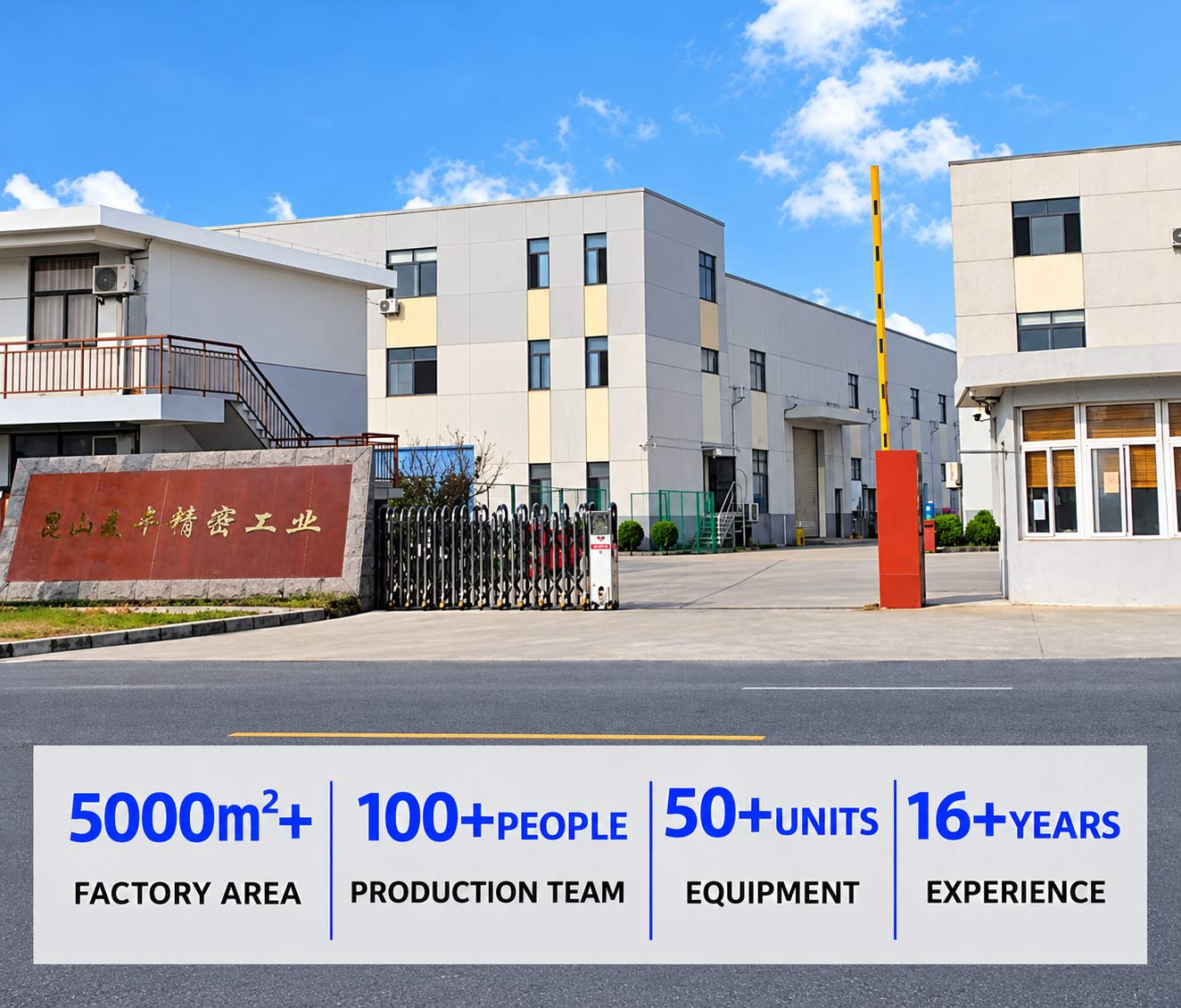
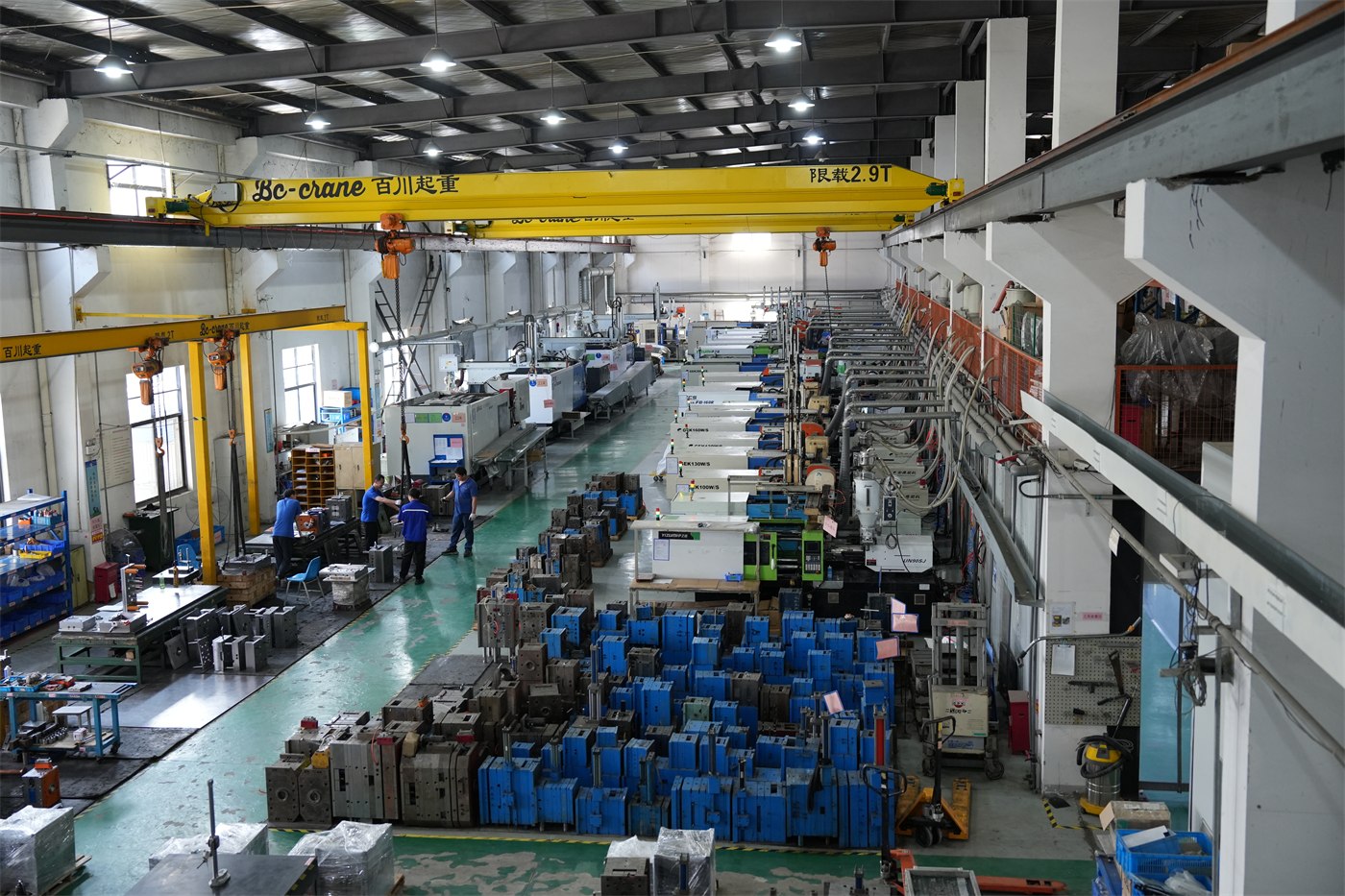
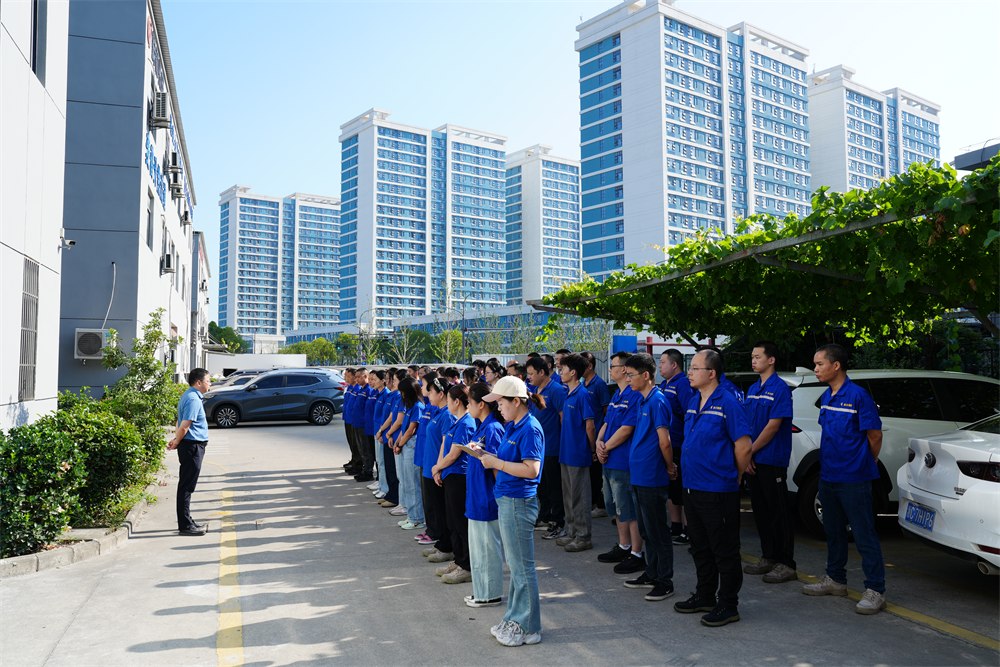
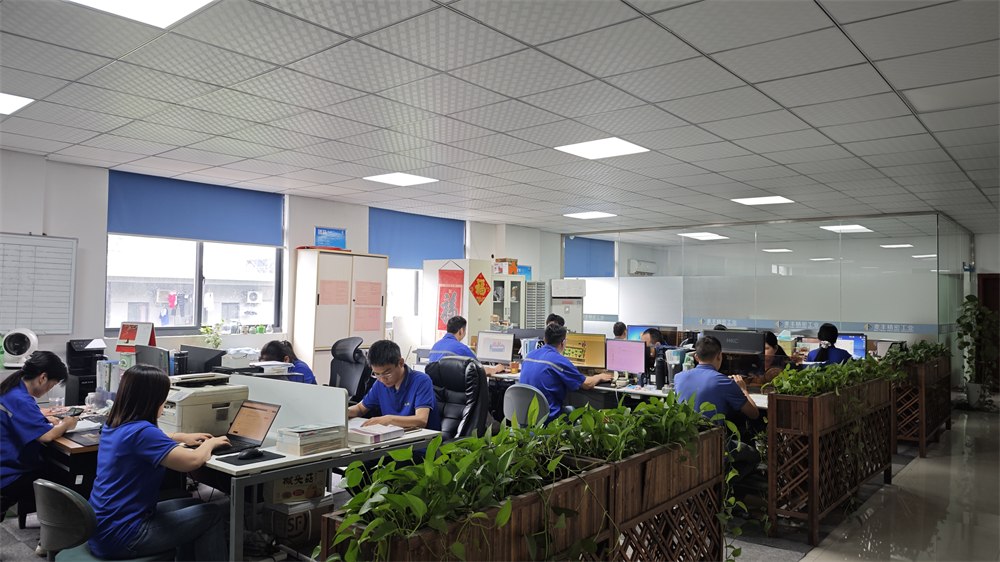
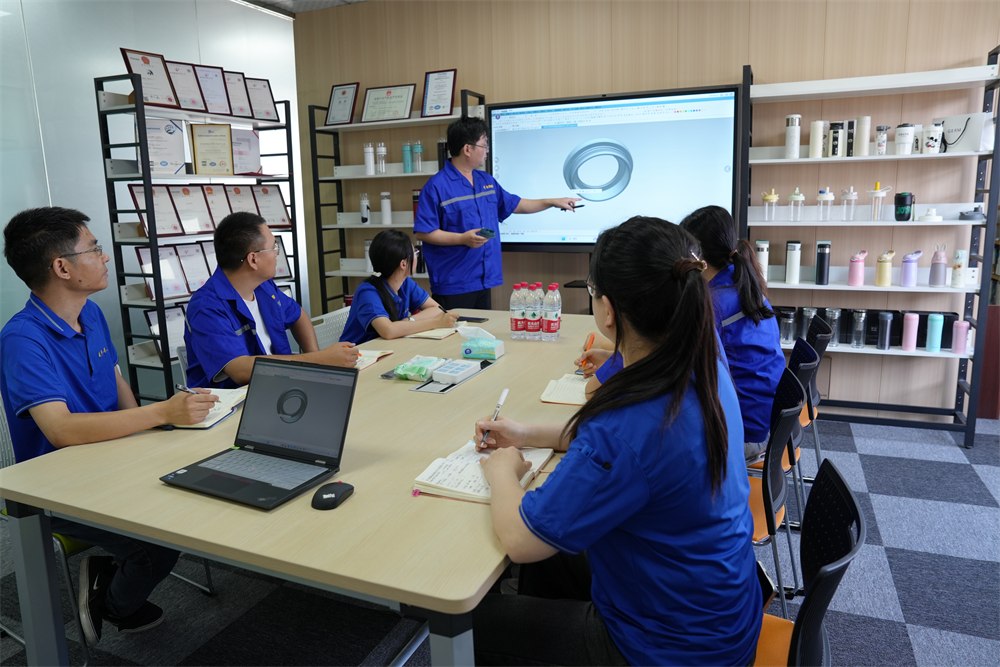
Kunshan Maifeng Precision Industry Co., Ltd. (MIF) has an investment of RMB 35 million and an independent factory of more than 5,000 m2. Our manufacturing resources include 36 single- and dual-color injection molding machines from 90 to 700 tons and more than 50 sets of mold manufacturing and processing equipment. Supported by a service, management and production team of over 100 people, we provide product design, mold design and manufacturing, injection molding, and product assembly. Our parent company was established in 2008.
1. Product Design
Product structure design and optimization based on customer drawings and samples.
2. Mold Design
Mold concepts developed around product requirements, material and production needs.
3. Mold Manufacturing
Machining, polishing, assembly and related processes for custom molds.
4. Injection Molding
Single- and dual-color molding capabilities for custom production.
5. Product Assembly
 Chinese
 English