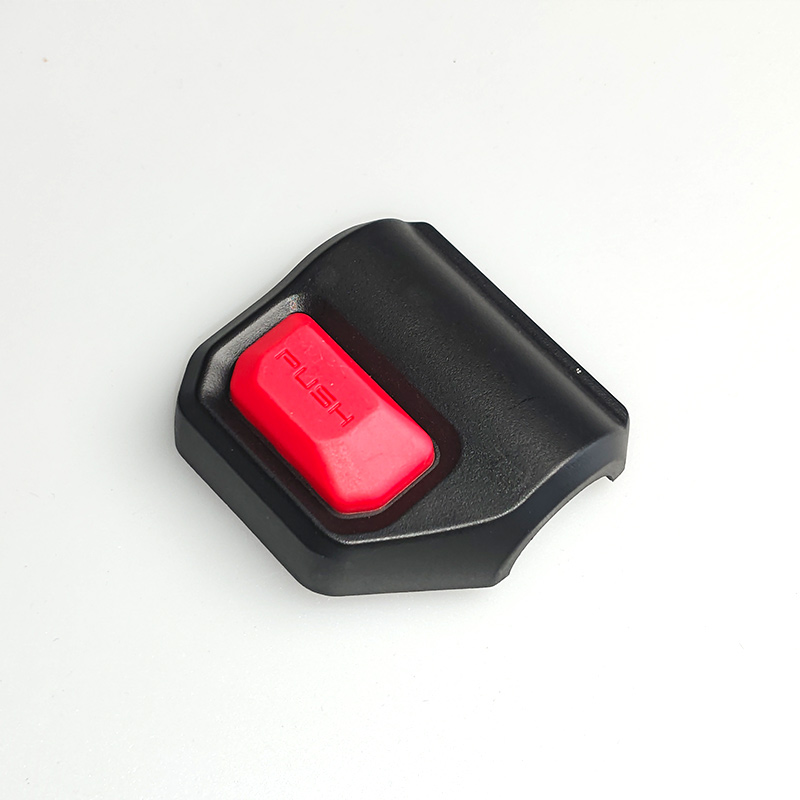
This switch button assembly pairs a black rigid housing with a red soft key made by overmolding. The soft material flows through undercut features in the housing and locks on mechanically, so the key survives thousands of press cycles and outdoor temperature swings without peeling. PUSH lettering is moulded into the soft surface rather than printed, so it wears with the material instead of off it. The housing clips into the machine panel and positions the key over the switch with clearance to deflect. Key hardness, press feel and both colours are matched to customer masters.
soft key locks onto the housing mechanically, not by adhesion alone
PUSH lettering moulded into the soft surface, wearing with it instead of off it
housing aperture and key geometry designed together so press feel stays consistent
A switch button on outdoor power equipment gets worked hard. Hands find it by feel, press it with gloves on, sometimes with dirt on them, and it has to keep its readable face through all of it. The part shown here pairs a black rigid housing with a red soft key overmoulded on top, the PUSH lettering formed in the soft surface rather than printed on it.
Two materials, two jobs. The hard housing carries the structure, snaps into the machine panel and holds the switch mechanism in position behind the key. The soft key is what the finger meets: it compresses cleanly, returns without sticking, and keeps its grip and its colour through seasons outdoors.
The finished assembly. The red key is soft to the touch, with PUSH moulded into its surface.
How the Two Materials Join
The soft key is not glued onto the housing. It is moulded onto it, in a second shot, and the joint has to survive thousands of press cycles plus the temperature swings of equipment stored in a shed and run in summer sun. Adhesion alone is not trusted. The housing carries undercut features where the soft material flows through and locks on mechanically, so even a bond that weakens over years cannot peel the key off.
Shot order matters too. The rigid housing is moulded first, then placed in a second tool, or the two shots run in sequence in a rotary tool, and the soft material is injected against it. Where the soft material meets the hard one, the interface line is planned: it shows on the finished part, so its position is chosen to look deliberate rather than accidental.
The Soft Key and Its Feel
A key like this is judged in the hand before anywhere else. It has to compress with a definite stroke, return fully without a lag, and keep a consistent feel from the first press to the ten-thousandth. Hardness is chosen for the application: soft enough to be comfortable under a bare thumb, firm enough that the press reads as deliberate rather than mushy.
The PUSH lettering is formed in the soft surface during moulding. Raised lettering in a soft material wears with the material rather than off it, and it survives cleaning, sunlight and glove abrasion far better than any print. The trade is the same as with any moulded text: the wording is fixed when the tool is cut, so artwork is confirmed early.
The Housing Behind the Key
The black housing does more than look after the key. Its skirt and clip features locate the whole assembly in the machine panel, the internal geometry positions it over the actual switch, and the aperture the key sits in is sized so the soft material has room to deflect without binding against the panel edge. A housing that pinches the key changes the press feel immediately, which is why the aperture and the key are designed together rather than separately.
Materials for Outdoor Service
The housing resin is picked for rigidity and outdoor stability; the soft material for compression set, which is the property that decides whether the key still springs back after years of presses. Both colours are compounded rather than coated, so a scratched button is still black and red underneath.
What Gets Checked Before Shipping
Press feel and return, cycled on a sample against the agreed stroke and force. Adhesion of the key, checked by pulling and flexing a sample from each lot. Colour of both materials against approved masters. Clip and aperture dimensions against the machine panel, verified with the real panel where the customer supplies one.
Information to Confirm Before Starting an Overmolded Button Project
The switch mechanism and machine panel drawings, since the housing geometry serves both.
Key hardness target and press feel, ideally with a reference sample to match.
Lettering artwork for the key, confirmed before tooling because it is moulded in.
Colour masters for both materials and the UV stability requirement.
Annual volume, which decides whether a two-shot rotary tool or two separate tools is the better investment.
Kunshan Maifeng Precision Industry Co., Ltd. reviews overmolded control part designs before quoting, builds the injection molds in house, and molds single-color and dual-color parts on 36 machines from 90 to 700 tons. Send us the panel drawing and the key artwork, and we will come back with a feasibility comment and a tooling proposal.
Company Profile
About Us
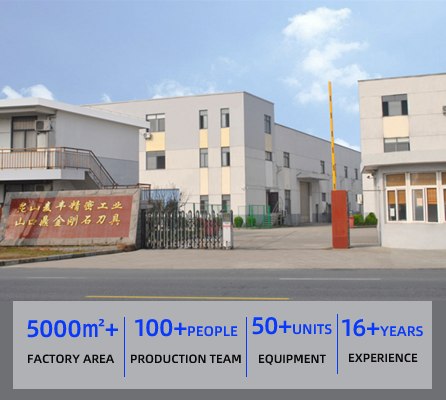
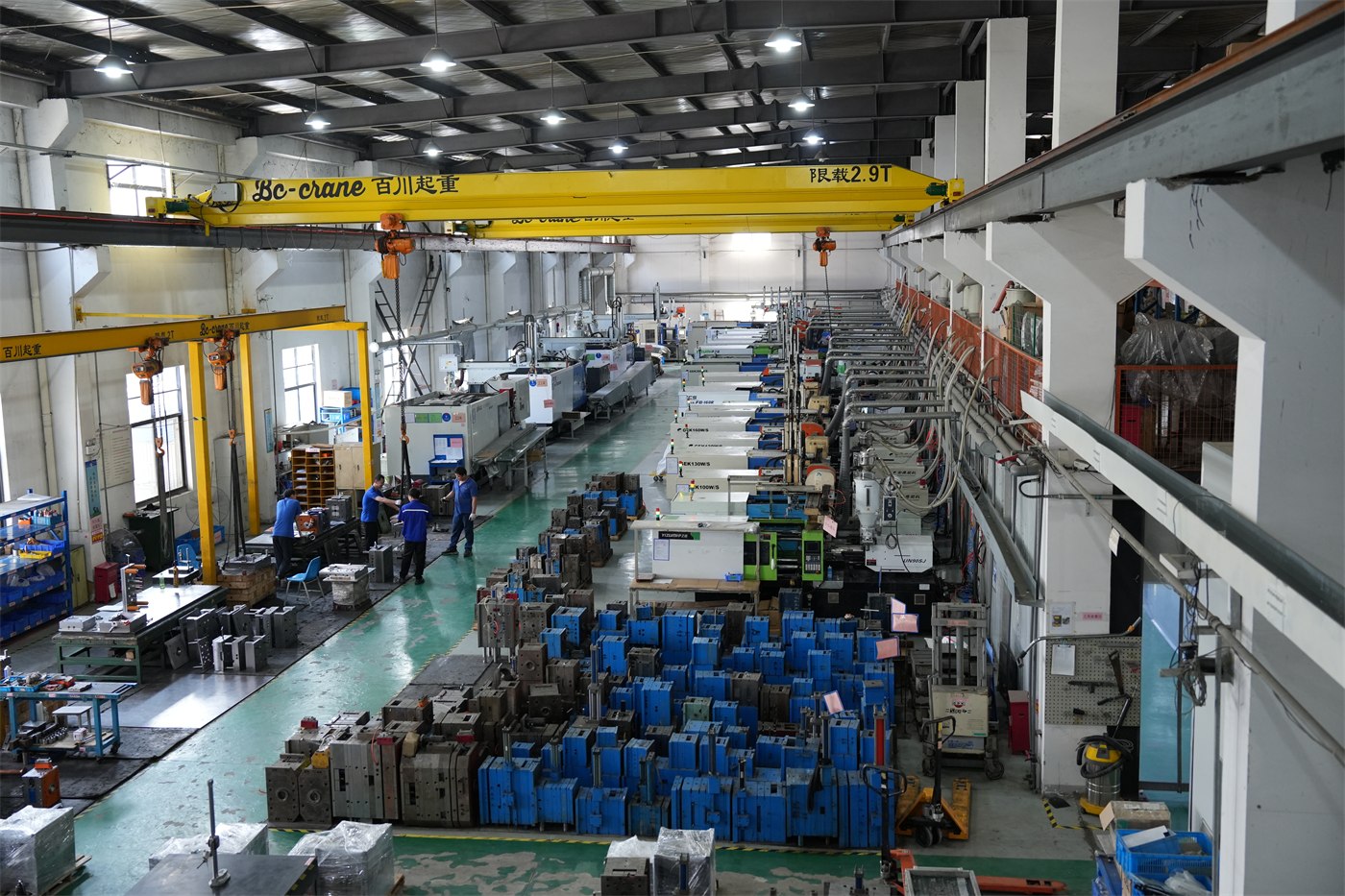
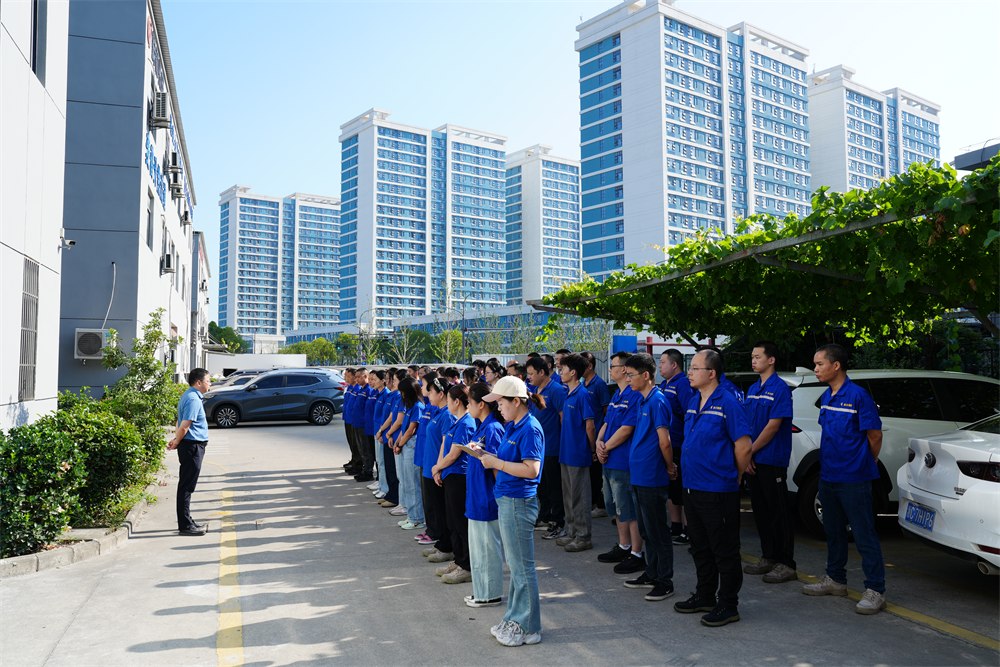
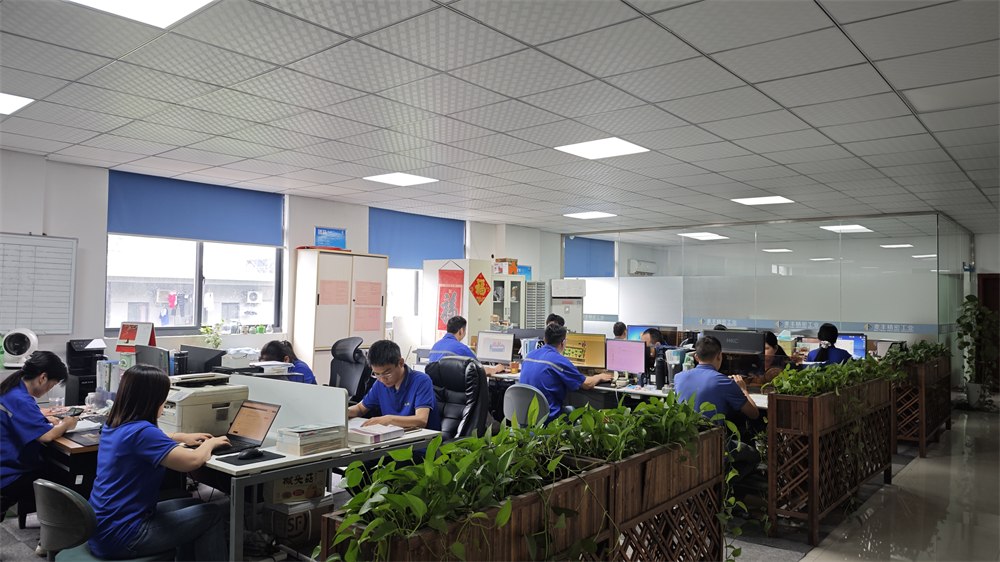
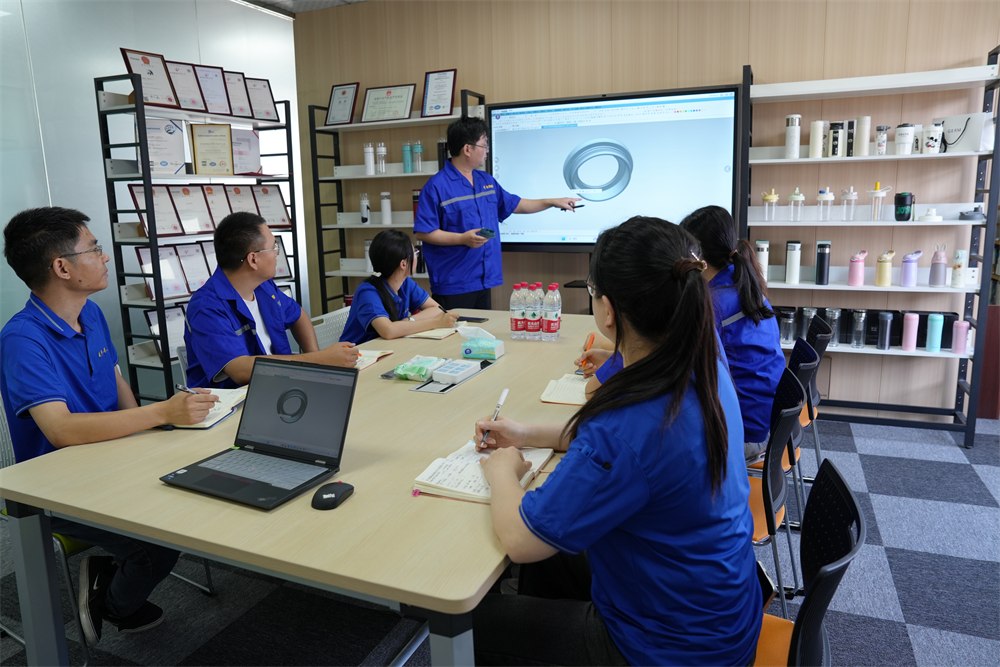
Kunshan Maifeng Precision Industry Co., Ltd. (MIF) has an investment of RMB 35 million and an independent factory of more than 5,000 m². The company operates 36 single- and dual-color injection molding machines from 90 to 700 tons, together with more than 50 sets of mold manufacturing and processing equipment. Our service, management and production team includes over 100 people.
Our parent company was established in 2008. We provide product design, mold design and manufacturing, injection molding and product assembly services for custom plastic parts, supporting both domestic and international customers.
1. Product Design Product structure design and optimization based on customer drawings and samples.
2. Mold Design Mold design developed around product geometry, material and production requirements.
3. Mold Manufacturing Machining, polishing, fitting and assembly for custom injection molds.
4. Injection Molding Single- and dual-color injection molding for project and order requirements.
5. Product Assembly Supporting assembly services for molded plastic components.
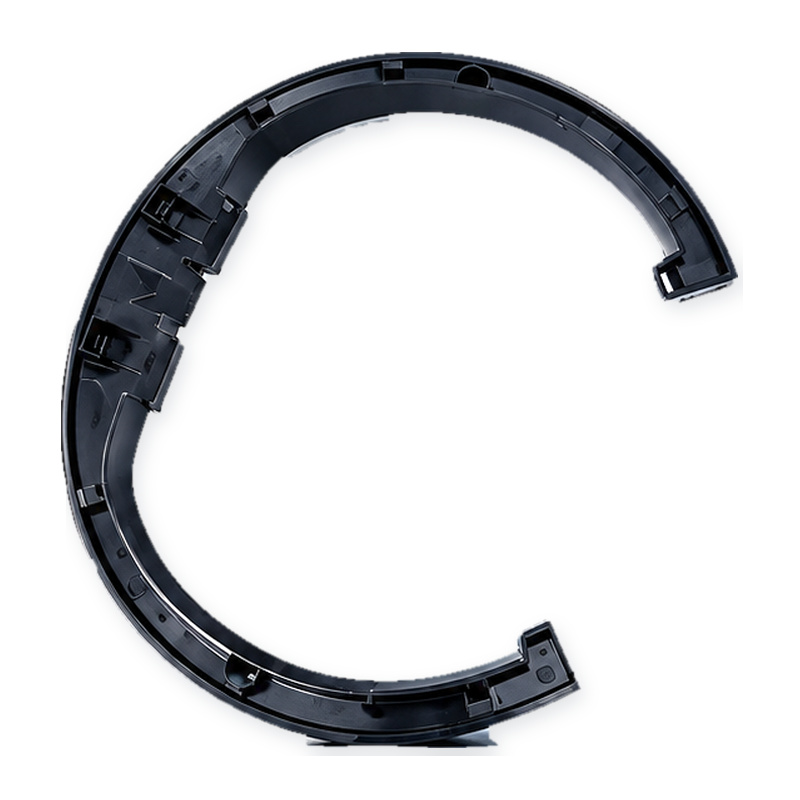
Custom glossy black PC protective cover for lawn mowers: an open-ring shell with snap clips molded in one shot and a class-A face that survives stones, sun and cleaning.
Custom PC light-diffusion tail light grille for lawn mowers: an even light band, a ribbed outer face, a sealed fixing flange and an optical surface finished to the agreed polish.
Custom clear PC tail light strip for mowers and outdoor equipment: compound curve, uniform wall, polished optical face and colour matched to your chip.
PC+ABS automotive wireless charging housing with an open coil window, four mounting ears and a stiffening rib, molded, inspected and packed for console assembly.
PC lawn mower tail light grille produced through custom mold development, precision injection molding and strict quality control for demanding outdoor applications.
PP handles and plastic parts for a 3rd generation magnetic wall mounted toilet brush, produced at Maifeng Precision through custom mold design, injection molding and careful inspection.
ABS nasal irrigator outer housing produced with custom multi-cavity molds, precision injection molding, careful trimming and dust-free packaging for personal care brands.
ABS nasal irrigator base produced with custom mold design, precision injection molding, strict inspection and dust-free packaging for personal care and medical device assemblies.
No matter what your automotive needs may be, we’re here to help. Contact us today to learn more about our
services and how we can assist you with all of your needs.
ISO 13485-certified medical injection molding in Class 10,000/100,000 cleanrooms: 36 single and dual-color machines, proven medical cases and trusted partners.
One-stop cup and bottle molding: dual-color lids, tea-separation cups and handles, QS food-contact licensed production with proven cases for global brands.
Contact Us
To grow into a top global mold & injection molding supplier
To grow into a top global mold & injection molding supplier, specializing in differentiated custom parts. We focus on structural development, streamlined production and consistent quality supply.






 Chinese
 English