Custom Dual-Color Tritan Tumbler Lid Injection Molding
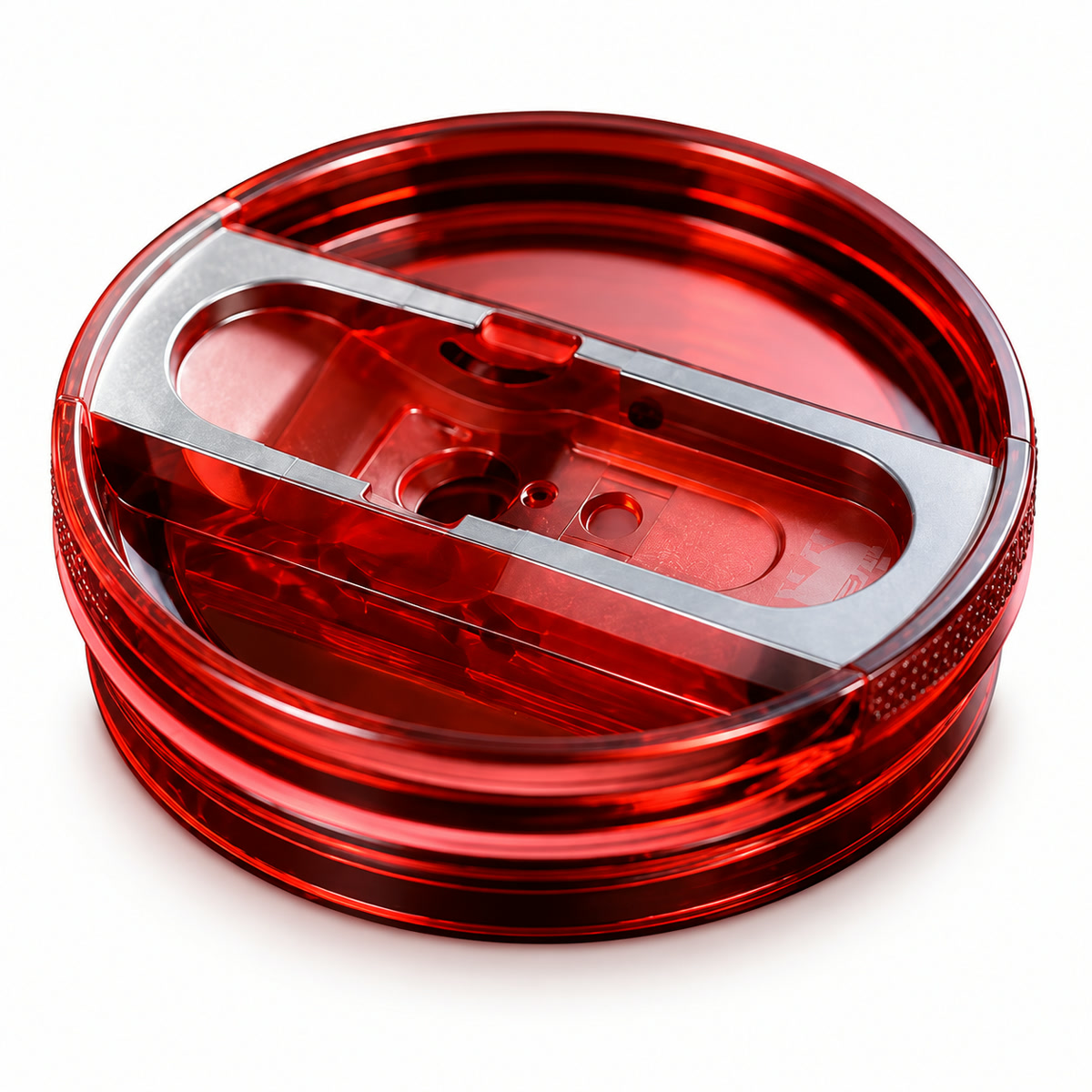
This custom dual-color Tritan tumbler lid combines a transparent red body with a contrasting functional insert. Maifeng Precision supports structure review, custom mold development, two-shot injection molding and production for drinkware components.
A tumbler lid has to do more than close an opening. Its sealing interface, drinking or vent features, moving parts and visible surfaces all need to work together while fitting the mating cup consistently. When transparent and contrasting colors are combined in one design, tooling accuracy and process control become just as important as the appearance.
This custom dual-color tumbler lid uses a transparent red Tritan™ body with a contrasting functional insert. The component was developed as a customizable drinkware part, with product structure, mold design and two-shot injection molding considered as one manufacturing system.
Customizable dual-color lid with a transparent red body and contrasting functional insert.
Why Tritan™ Is Considered for Transparent Drinkware Parts
For a clear or tinted lid, the selected material has a direct effect on visual quality, impact performance and long-term appearance. Tritan™ is used in drinkware applications where transparency and toughness are important. The final resin grade, color system and regulatory requirements should still be confirmed for the intended market and use conditions before production.
Transparent molding also makes small defects easier to see. Flow marks, trapped air, contamination, weld lines and stress around gates or ejector locations can affect the finished appearance. Tool polishing, clean material handling, balanced filling and controlled cooling therefore need to be planned around the visible surfaces rather than treated as finishing corrections.
The product combines transparent material, contrasting color and an integrated opening structure.
Dual-Color Molding Is a Structural Decision
The contrasting section is not simply a printed decoration. In a two-shot process, the first molded component must remain accurately located while the second material fills its own cavity. The interface needs clean shutoffs and suitable engagement so the color boundary remains controlled and the two sections function as a single part.
Gate positions, transfer or rotation method, cavity alignment and venting need to be reviewed for both shots. A change made to improve one color region can affect filling pressure or appearance in the other. Early DFM work helps define the material boundary, draft, wall transitions and release direction before mold manufacture begins.
Functional Details Around the Drinking Area
The central opening area contains several interacting features rather than one flat surface. The drinking port, vent or locating holes, sliding or opening mechanism and surrounding ribs all occupy limited space. Their clearances must support movement while avoiding loose fit, flash or interference after molding.
The lid also needs to align with its mating cup and any seal components. Critical diameters, thread or locking geometry, seal compression and assembly sequence should be reviewed together. Samples are then checked not only for appearance, but also for fit, movement and repeatable assembly.
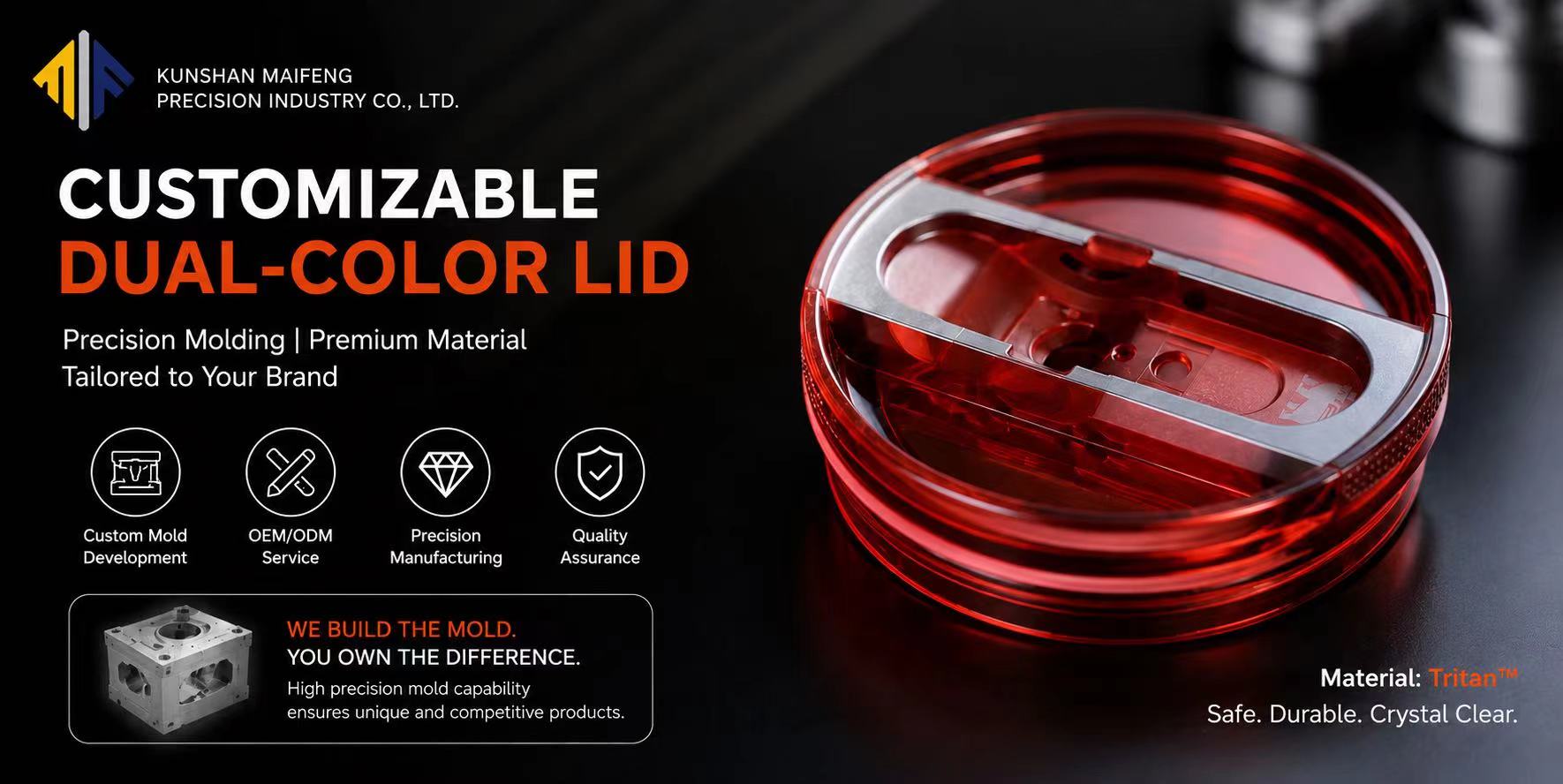
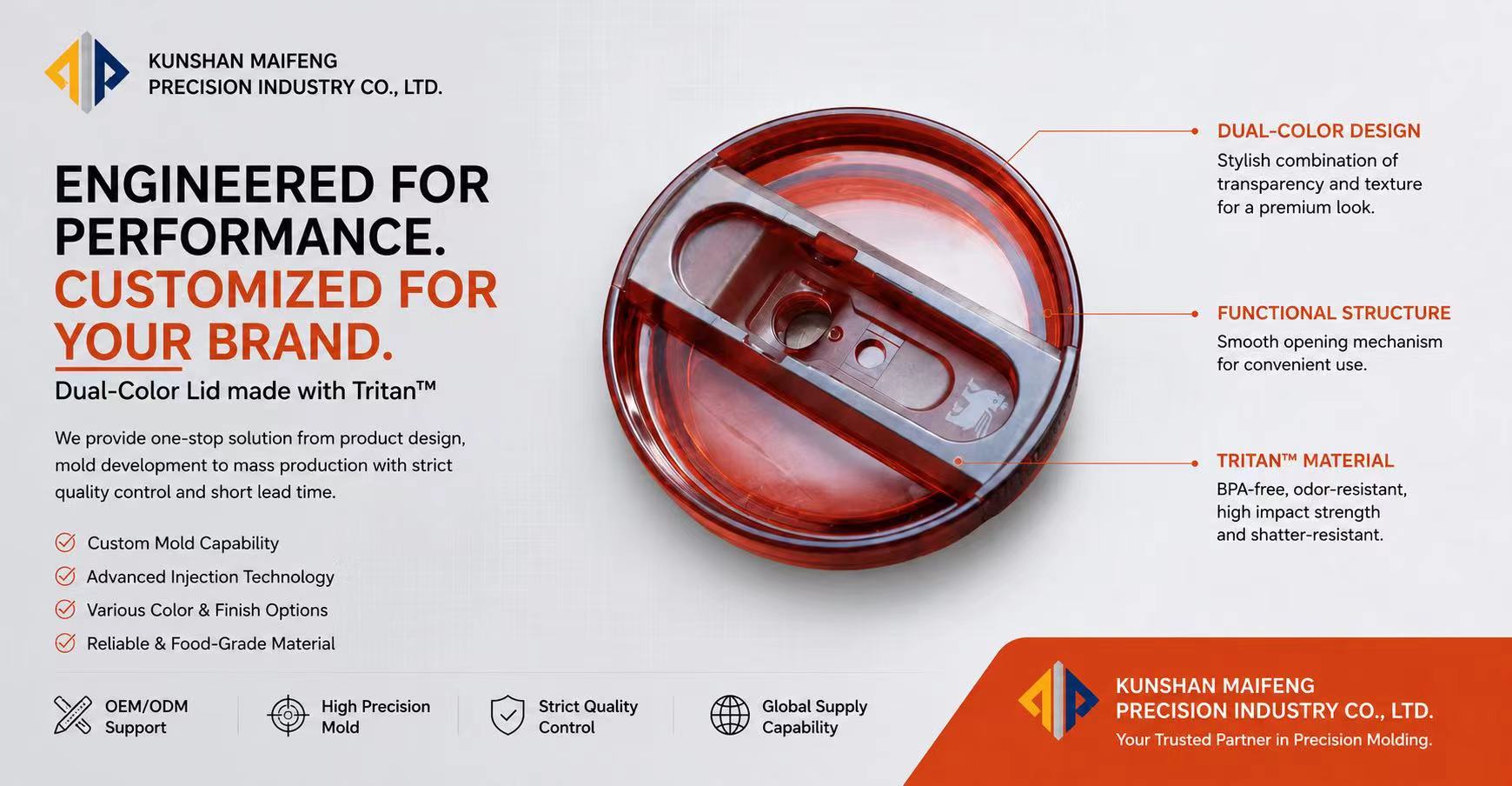
Product presentation and manufacturing overview for the custom dual-color tumbler lid.
From Product Concept to Stable Production
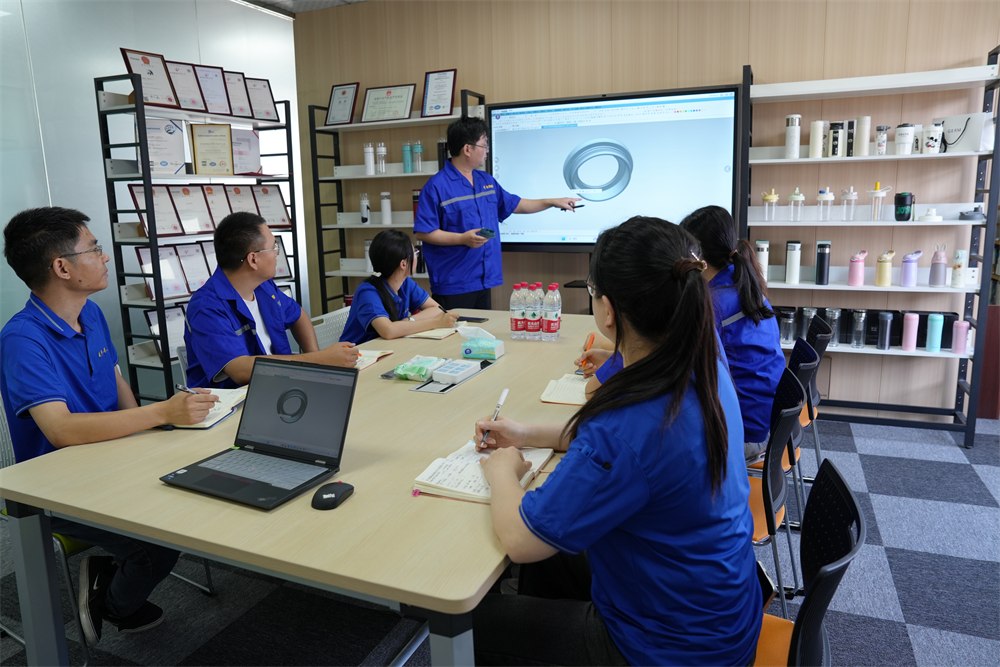
A practical development process starts with the 3D product model, mating-part data and intended user functions. The structure is reviewed for moldability, then the mold concept is developed around the two molding stages. Trial results are used to confirm filling, color boundary, release, assembly fit and visible-surface quality before the process window is finalized.
Customization can include geometry, color, texture and branding-related surface details, provided these are evaluated against tooling access and molding behavior. Managing product design, mold development and injection molding within one workflow makes it easier to trace design changes and confirm samples against the same requirements.
Information to Confirm Before Starting a Custom Lid Project
Target cup dimensions, locking or thread geometry and seal interface.
Required lid functions, moving features and assembly sequence.
Material grade, color and applicable market compliance requirements.
Visible-surface standard and acceptable gate or parting-line locations.
Expected order volume, packaging method and sample validation plan.
Kunshan Maifeng Precision Industry Co., Ltd. supports product structure review, custom mold design and manufacturing, single- and dual-color injection molding, and plastic-part assembly. Drawings, samples and mating-component information provide a practical starting point for evaluating a new tumbler lid or related drinkware component.
Company Profile
About Us
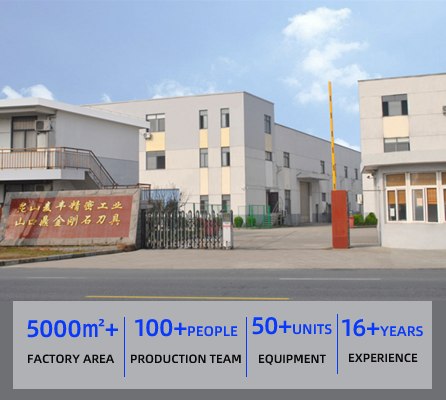
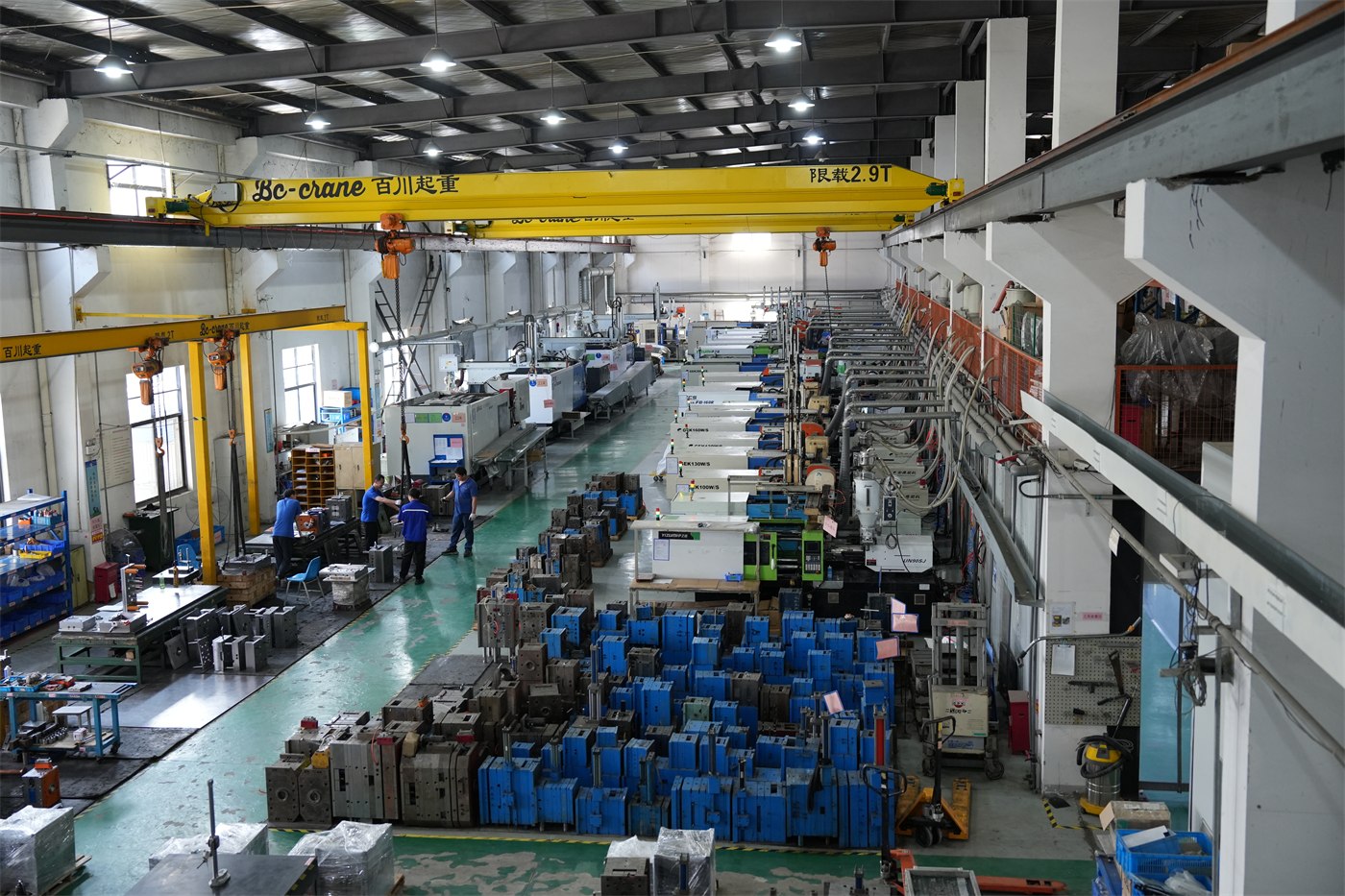
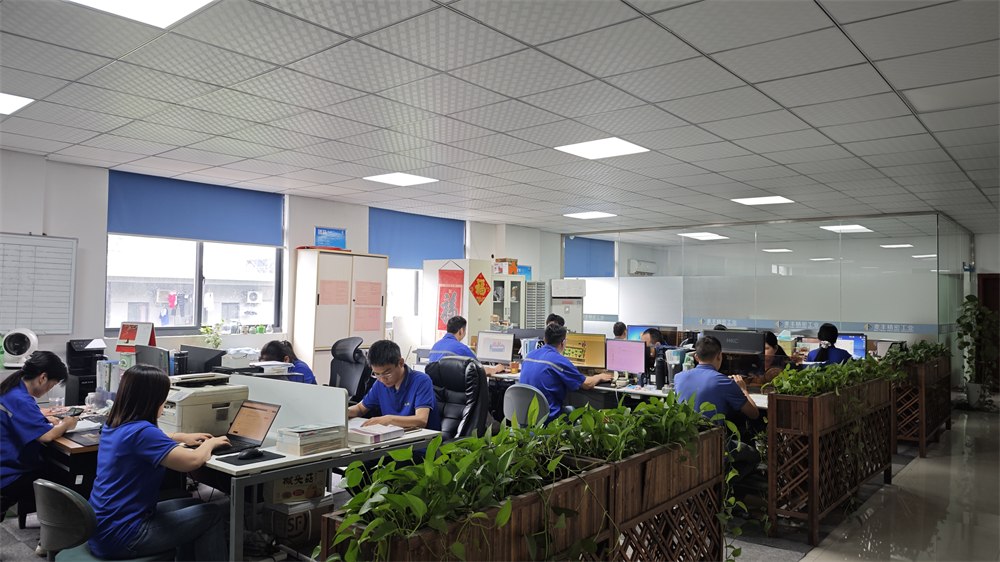
Kunshan Maifeng Precision Industry Co., Ltd. (MIF) has an investment of RMB 35 million and an independent factory of more than 5,000 m². Our manufacturing resources include 36 single- and dual-color injection molding machines from 90 to 700 tons and more than 50 sets of mold manufacturing and processing equipment. Supported by a service, management and production team of over 100 people, we provide product design, mold design and manufacturing, injection molding, and product assembly. Our parent company was established in 2008.
1. Product Design Product structure design and optimization based on customer drawings and samples.
2. Mold Design Mold concepts developed around product requirements, material and production needs.
3. Mold Manufacturing Machining, polishing, assembly and related processes for custom molds.
4. Injection Molding Single- and dual-color molding capabilities for custom production.
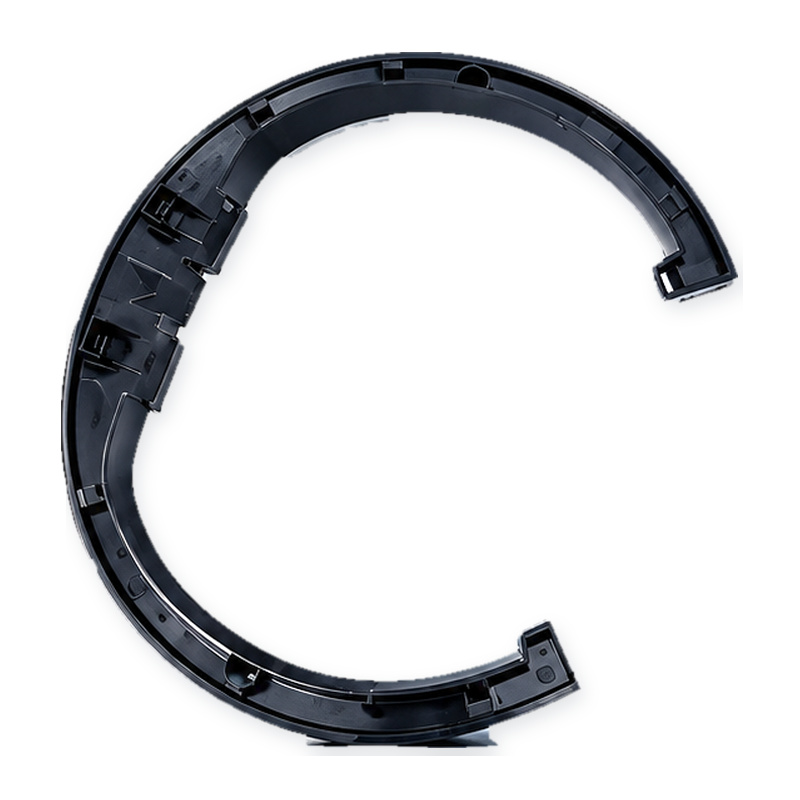
Custom glossy black PC protective cover for lawn mowers: an open-ring shell with snap clips molded in one shot and a class-A face that survives stones, sun and cleaning.
Custom PC light-diffusion tail light grille for lawn mowers: an even light band, a ribbed outer face, a sealed fixing flange and an optical surface finished to the agreed polish.
Custom clear PC tail light strip for mowers and outdoor equipment: compound curve, uniform wall, polished optical face and colour matched to your chip.
PC+ABS automotive wireless charging housing with an open coil window, four mounting ears and a stiffening rib, molded, inspected and packed for console assembly.
PC lawn mower tail light grille produced through custom mold development, precision injection molding and strict quality control for demanding outdoor applications.
PP handles and plastic parts for a 3rd generation magnetic wall mounted toilet brush, produced at Maifeng Precision through custom mold design, injection molding and careful inspection.
ABS nasal irrigator outer housing produced with custom multi-cavity molds, precision injection molding, careful trimming and dust-free packaging for personal care brands.
ABS nasal irrigator base produced with custom mold design, precision injection molding, strict inspection and dust-free packaging for personal care and medical device assemblies.
No matter what your automotive needs may be, we’re here to help. Contact us today to learn more about our
services and how we can assist you with all of your needs.
ISO 13485-certified medical injection molding in Class 10,000/100,000 cleanrooms: 36 single and dual-color machines, proven medical cases and trusted partners.
One-stop cup and bottle molding: dual-color lids, tea-separation cups and handles, QS food-contact licensed production with proven cases for global brands.
Contact Us
To grow into a top global mold & injection molding supplier
To grow into a top global mold & injection molding supplier, specializing in differentiated custom parts. We focus on structural development, streamlined production and consistent quality supply.







 English
 Chinese