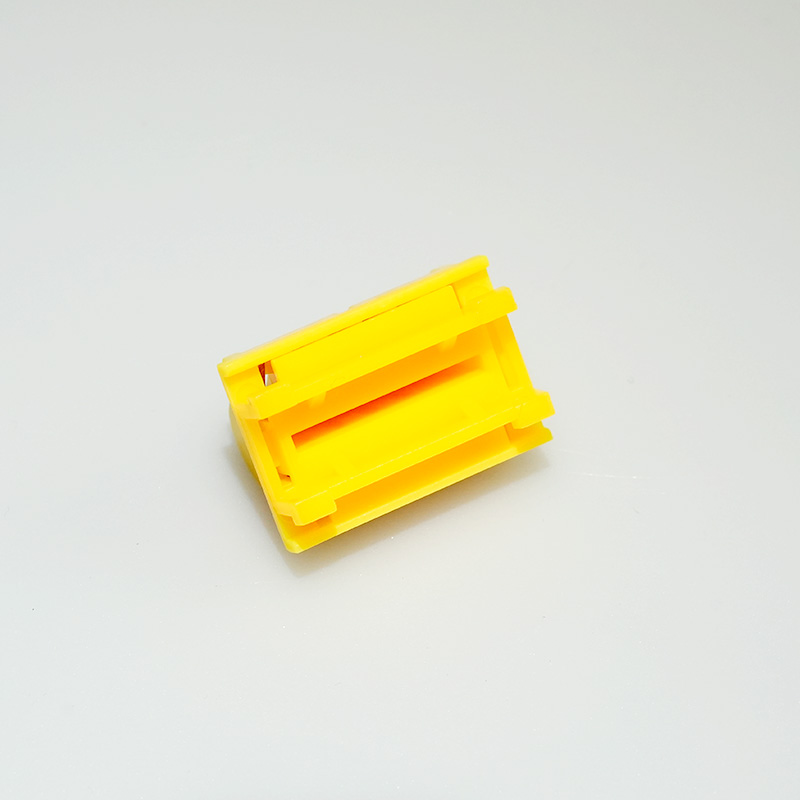
This disposable vascular closure clip for laparoscopic surgery is injection molded from medical-grade polymer as one piece. The arch works as a curved beam that closes across vessels or tissue bundles, and matching ridges on the closure face nest together to hold the collapsed position, so clamping force comes from geometry rather than resin softness. Feet at the base locate the clip in the ligation forcep so it closes at the designed point. Clips run in multi-cavity molds with per-cavity shot weight mapping and fixture-checked ridge engagement; the yellow colorant is functional for on-screen visibility and the resin grade follows the customer's specification.
clamping force comes from the arched beam travel, not from resin softness that relaxes in tissue
multi-cavity consistency mapped by shot weight with ridge engagement checked on a fixture
closure-face tool shut-offs hardened and inspected, since flash in the channel blocks locking
This yellow closure clip is a single-patient disposable for laparoscopic surgery. Loaded into a ligation forcep, it reaches a vessel or tissue bundle through a trocar, closes across it, and locks. After the operation it is discarded with the cartridge. It never gets reused, so every clip in the box has to behave like every other clip.
The clip is injection molded from medical-grade polymer as one piece: an arch that carries the clamping load, a row of locking ridges on the closure face, and a base with feet that seat the clip in the forcep jaw.
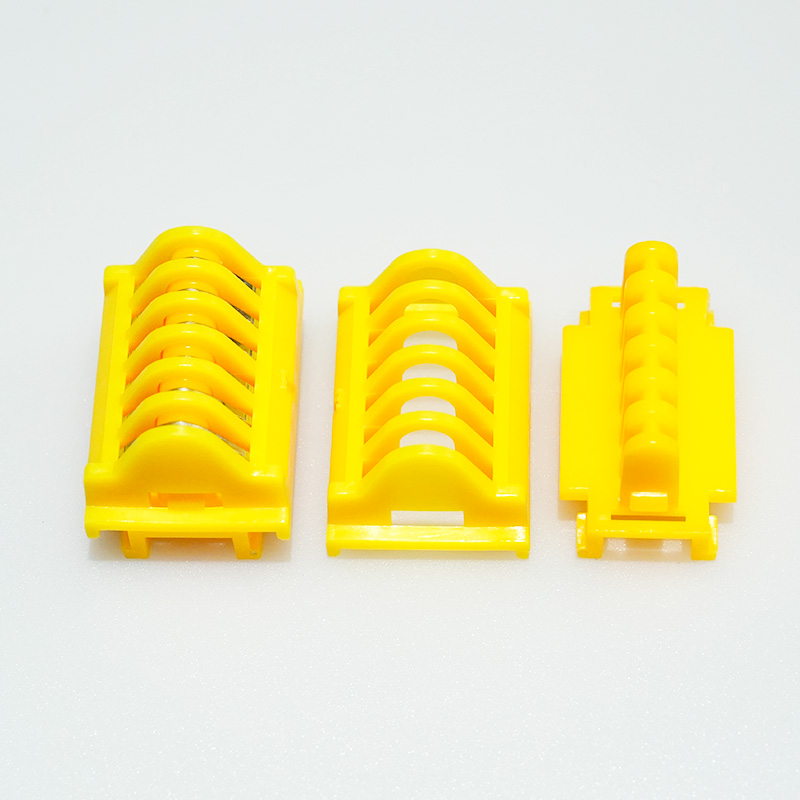
Three polymer closure clips showing the arched body and the locking ridge profile.
The Locking Profile
The closure face is where the clip earns its keep. A row of matching ridges runs down each side of the arch; when the clip closes, the ridges nest between each other and hold the collapsed position. The clamping force is not muscle, it is geometry — the arch is a curved beam, the material is chosen so the beam can close fully without yielding, and the ridges keep it closed once it gets there. If the ridge pitch drifts even slightly from cavity to cavity, some clips lock softly and some refuse to open in the forcep. Both are rejects.
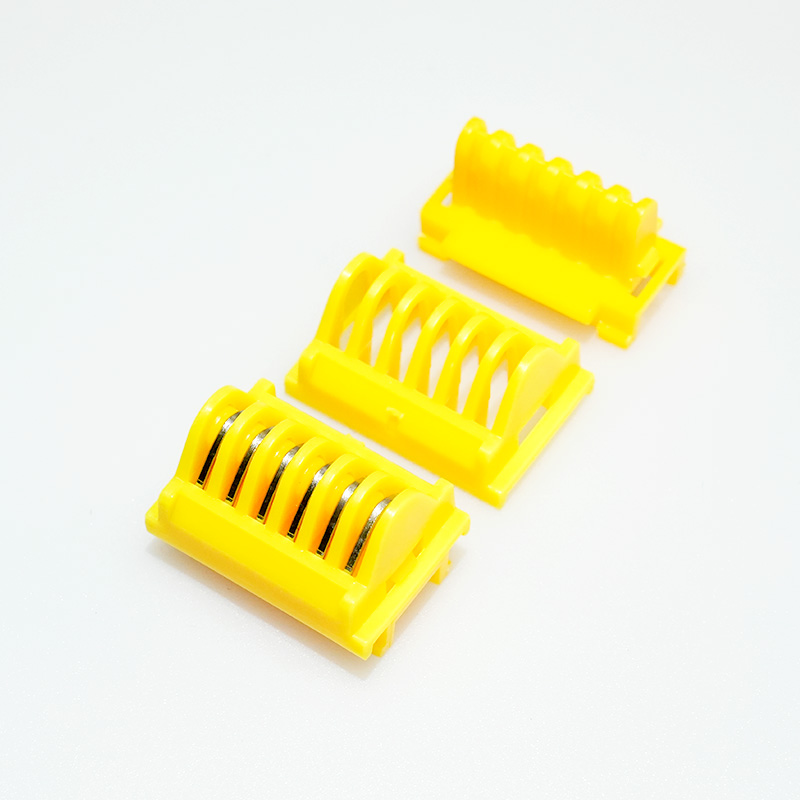
Angled view showing the closure face ridges aligned across the arch.
Clamping Force Is Geometry, Not Squeeze
A clip that grips because the resin is soft will relax in tissue. A clip that grips because the arch passes through its designed travel will hold until it is cut away. The arch wall thickness sets that travel, so it is held to a tight section on both sides of the part. The channel under the arch lets the vessel bundle seat before the ridges engage, and the feet at the base locate the clip in the forcep so the applier closes it at the designed point rather than wherever it happens to sit.
Rear view of the clips showing the connecting link between clip bodies.
Molding Small Medical Parts in Volume
Clips run in multi-cavity molds, and cavity-to-cavity consistency is the whole game. A multi-cavity tool is a dozen chances for one cavity to run heavy, flash a ridge or pull the arch out of plane, and one bad cavity quietly contaminates thousands of units. We map each cavity by shot weight and first-article measurement, and check ridge engagement on a fixture rather than by feel.
Flash deserves its own sentence. A whisker of flash inside the closure channel can stop the ridges from seating. The tool shut-offs around the closure face are hardened and inspected on a schedule, because flash there is invisible until the clip fails to lock.
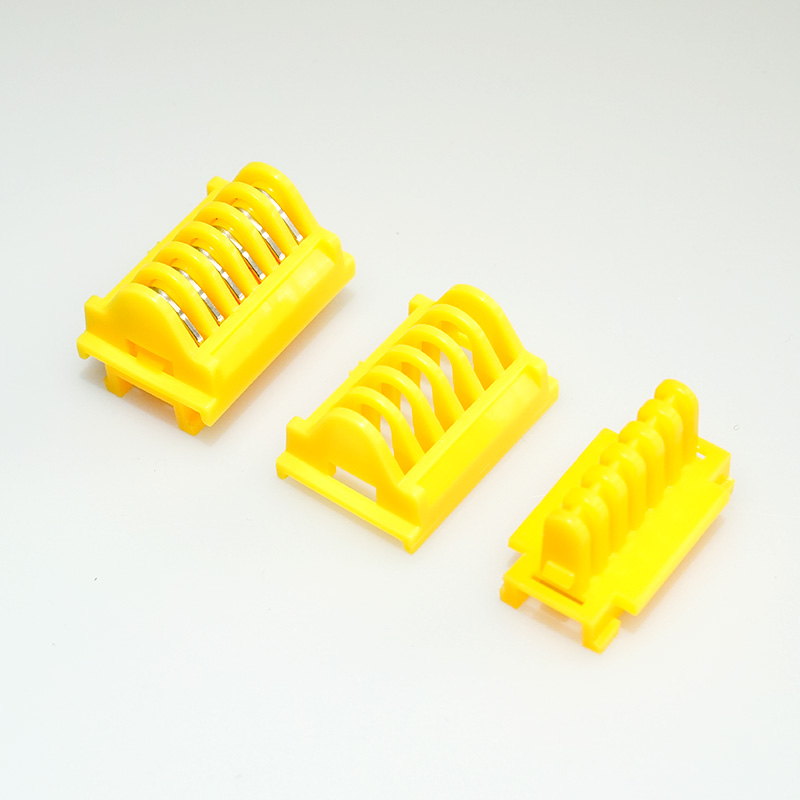
Angled view of two clips showing the feet that locate the clip in the forcep jaw.
Resin and Cleanliness
The yellow color is functional: it makes the clip easy to see against tissue on the monitor. The resin is a medical-grade polymer chosen for stiffness, low friction and compatibility with sterilization; acetal is the usual candidate for a clip of this style, and the exact grade and colorant follow the customer’s specification. Molding runs with the material sealed and dried, and parts are packed without post-molding handling that could introduce particles.
One constraint worth stating plainly. We do not claim certifications on the customer’s behalf; if the device program requires a specific grade or documentation package, that requirement belongs in the project brief so the material and process are qualified from the start.
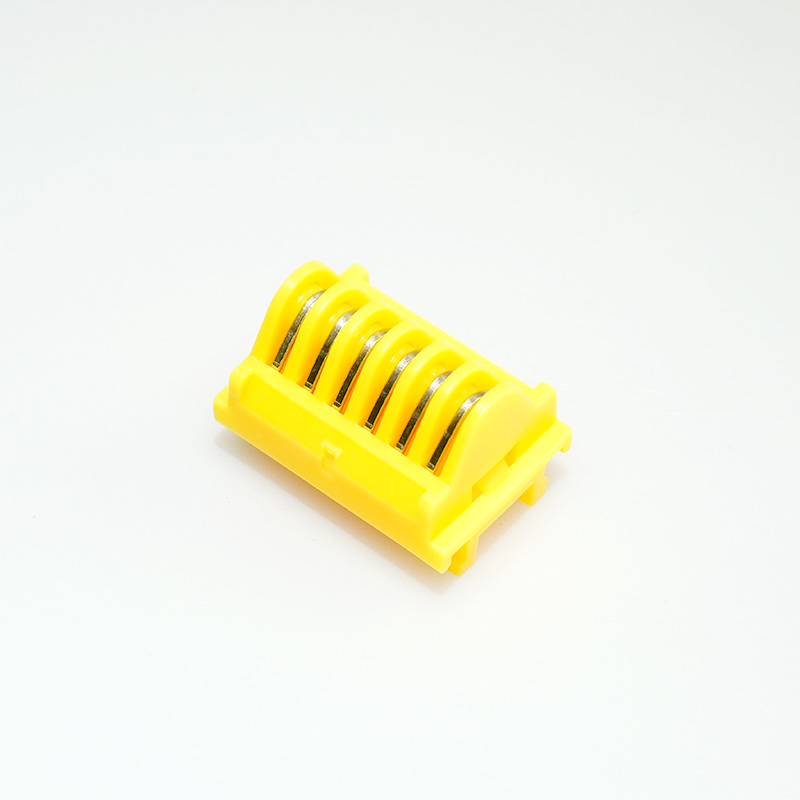
Bottom view showing the open channel under the arch where the tissue bundle seats.
Information to Confirm Before Starting a Surgical Clip Project
The forcep interface: jaw profile and the closing point the clip must present.
The resin specification, including grade, colorant and sterilization method.
The clamping force range and the vessel or tissue sizes the clip must close across.
Annual volume, since multi-cavity tooling economics decide the mold design.
The packaging format: bulk, nested or preloaded into applier cartridges.
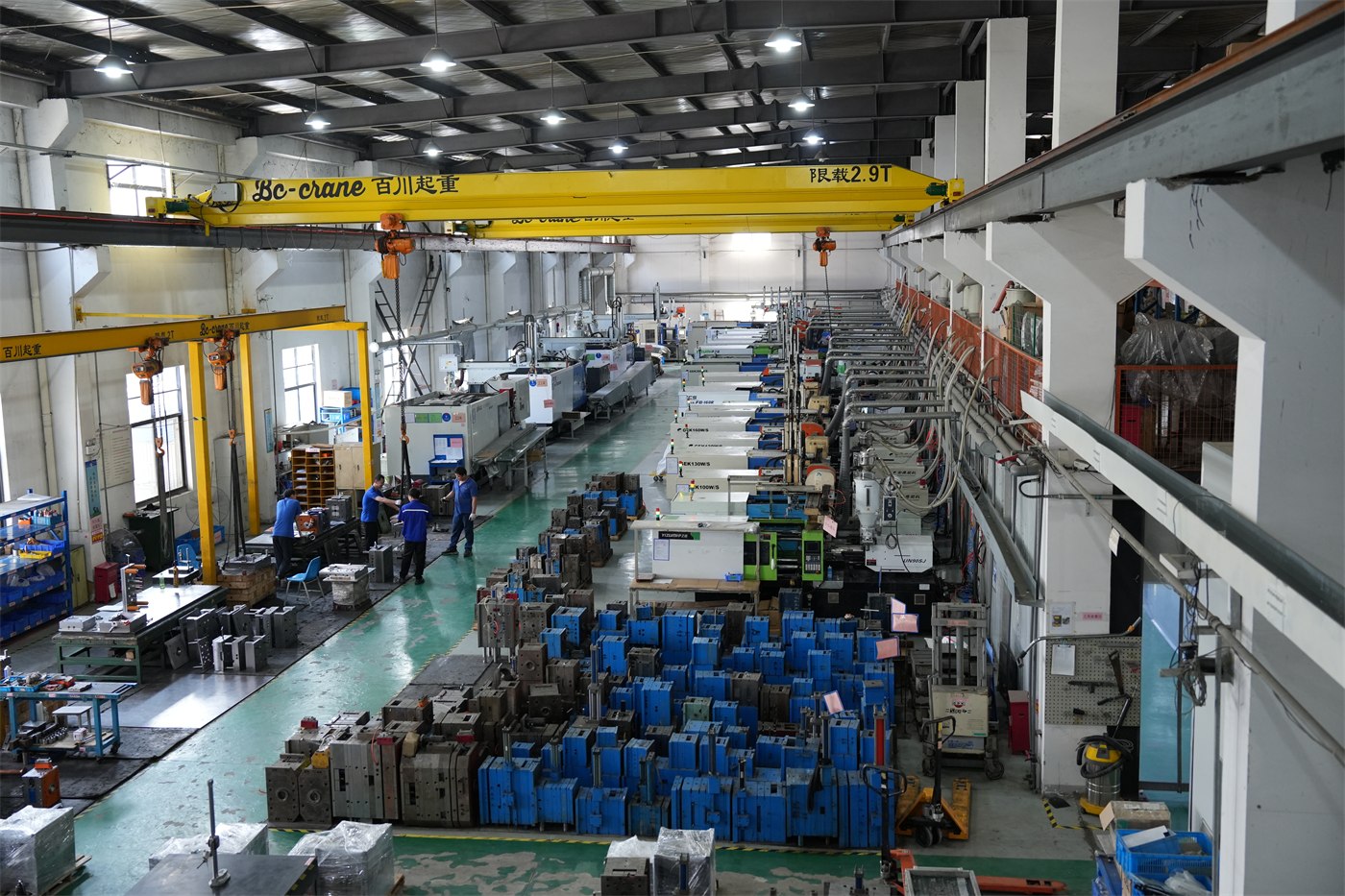
Kunshan Maifeng Precision Industry Co., Ltd. reviews closure clip designs before quoting, builds the injection molds in house, and molds single-color and dual-color parts on 36 machines from 90 to 700 tons. Send us the forcep interface drawing and the resin specification, and we will come back with a feasibility comment and a tooling proposal.
Company Profile
About Us
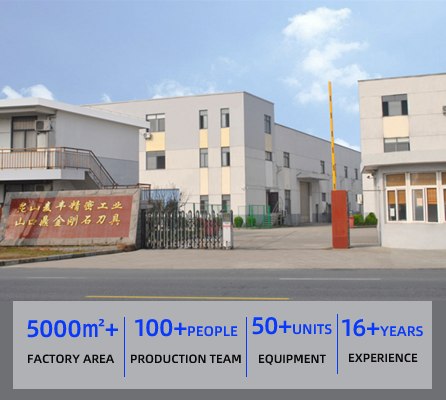
Kunshan Maifeng Precision Industry Co., Ltd. (MIF) has an investment of RMB 35 million and an independent factory of more than 5,000 m². The company operates 36 single- and dual-color injection molding machines from 90 to 700 tons, together with more than 50 sets of mold manufacturing and processing equipment. Our service, management and production team includes over 100 people.
Our parent company was established in 2008. We provide product design, mold design and manufacturing, injection molding and product assembly services for custom plastic parts, supporting both domestic and international customers.
1. Product Design Product structure design and optimization based on customer drawings and samples.
2. Mold Design Mold design developed around product geometry, material and production requirements.
3. Mold Manufacturing Machining, polishing, fitting and assembly for custom injection molds.
4. Injection Molding Single- and dual-color injection molding for project and order requirements.
5. Product Assembly Supporting assembly services for molded plastic components.
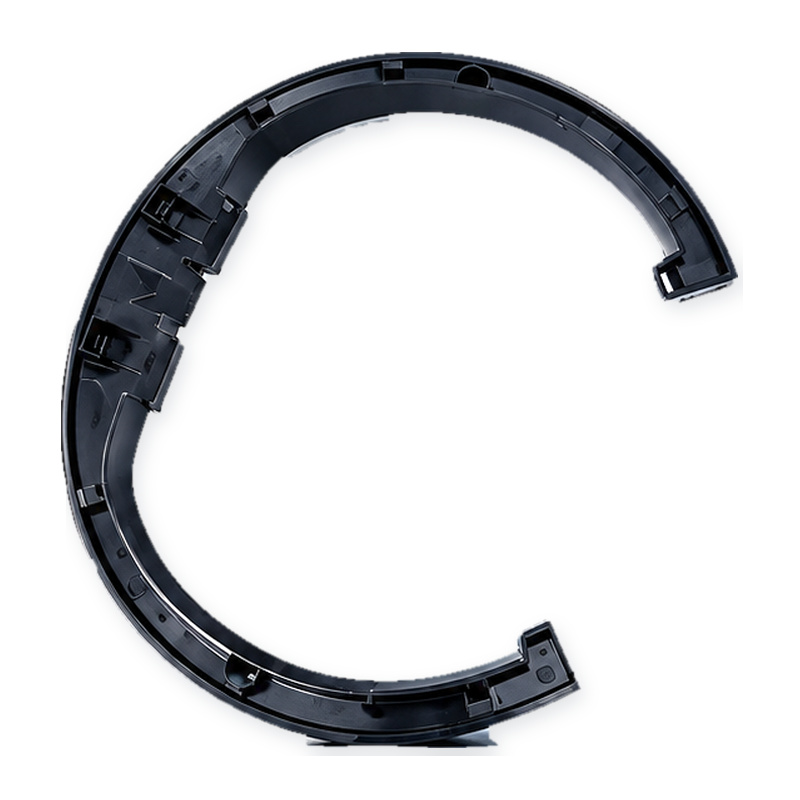
Custom glossy black PC protective cover for lawn mowers: an open-ring shell with snap clips molded in one shot and a class-A face that survives stones, sun and cleaning.
Custom PC light-diffusion tail light grille for lawn mowers: an even light band, a ribbed outer face, a sealed fixing flange and an optical surface finished to the agreed polish.
Custom clear PC tail light strip for mowers and outdoor equipment: compound curve, uniform wall, polished optical face and colour matched to your chip.
PC+ABS automotive wireless charging housing with an open coil window, four mounting ears and a stiffening rib, molded, inspected and packed for console assembly.
PC lawn mower tail light grille produced through custom mold development, precision injection molding and strict quality control for demanding outdoor applications.
PP handles and plastic parts for a 3rd generation magnetic wall mounted toilet brush, produced at Maifeng Precision through custom mold design, injection molding and careful inspection.
ABS nasal irrigator outer housing produced with custom multi-cavity molds, precision injection molding, careful trimming and dust-free packaging for personal care brands.
ABS nasal irrigator base produced with custom mold design, precision injection molding, strict inspection and dust-free packaging for personal care and medical device assemblies.
No matter what your automotive needs may be, we’re here to help. Contact us today to learn more about our
services and how we can assist you with all of your needs.
ISO 13485-certified medical injection molding in Class 10,000/100,000 cleanrooms: 36 single and dual-color machines, proven medical cases and trusted partners.
One-stop cup and bottle molding: dual-color lids, tea-separation cups and handles, QS food-contact licensed production with proven cases for global brands.
Contact Us
To grow into a top global mold & injection molding supplier
To grow into a top global mold & injection molding supplier, specializing in differentiated custom parts. We focus on structural development, streamlined production and consistent quality supply.








 English
 Chinese