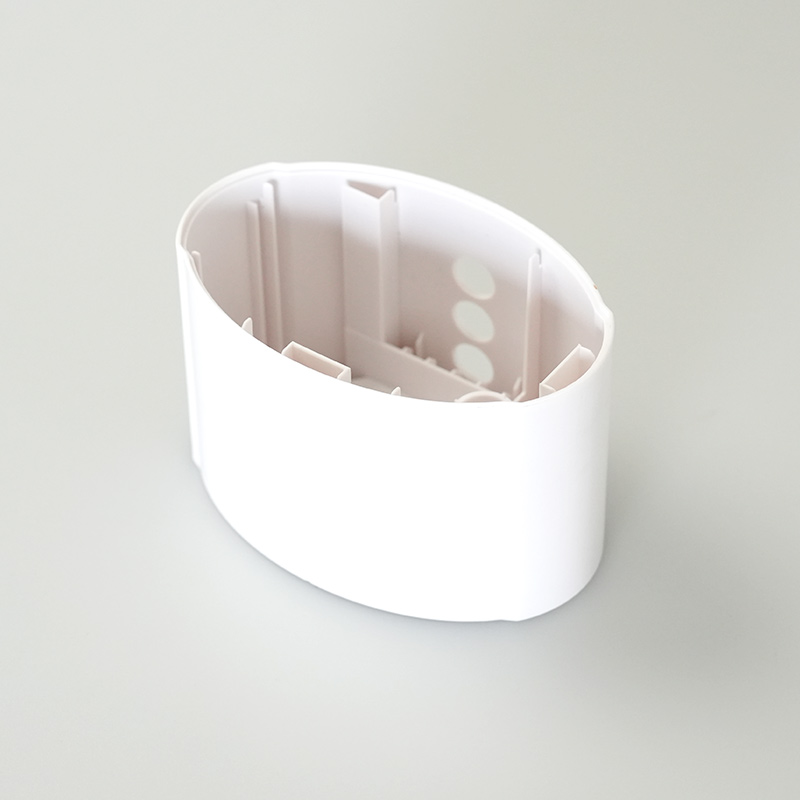
This main structural part for electric nasal irrigators is injection molded as a deep oval shell carrying the device from the inside out. Internal ribs provide stiffness so the outer wall stays thin, positioning posts locate the pump bracket and board, and screw bosses are dimensioned to bottom without splitting. Locating features are toleranced tighter than the shell's own function needs, because they set the position of everything assembled into the device. Core draft, rib draft and the ejection layout are worked together for a clean release from the deep draw. Post positions, rib thickness and mating fit are verified with the real components before shipping.
internal posts dimensioned to the assembly, since they set where every component lands
rib network sized against sink on the outer wall while carrying the shell's stiffness
core draft and ejection layout tuned for a deep oval draw without dragging the ribs
Everything inside an electric nasal irrigator hangs off one part. The structural body shown here is that part: a moulded shell that carries the water circuit, locates the electronics, holds the tank and provides the surfaces the outer panels clip to. Get its internal geometry right and the device assembles cleanly; get it wrong and every subsequent station inherits the error.
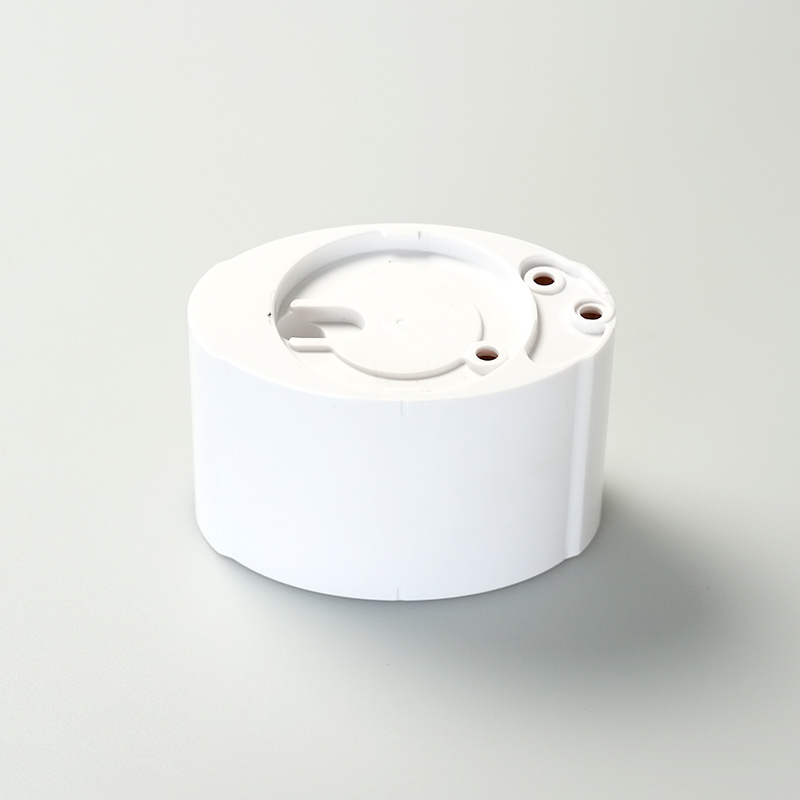
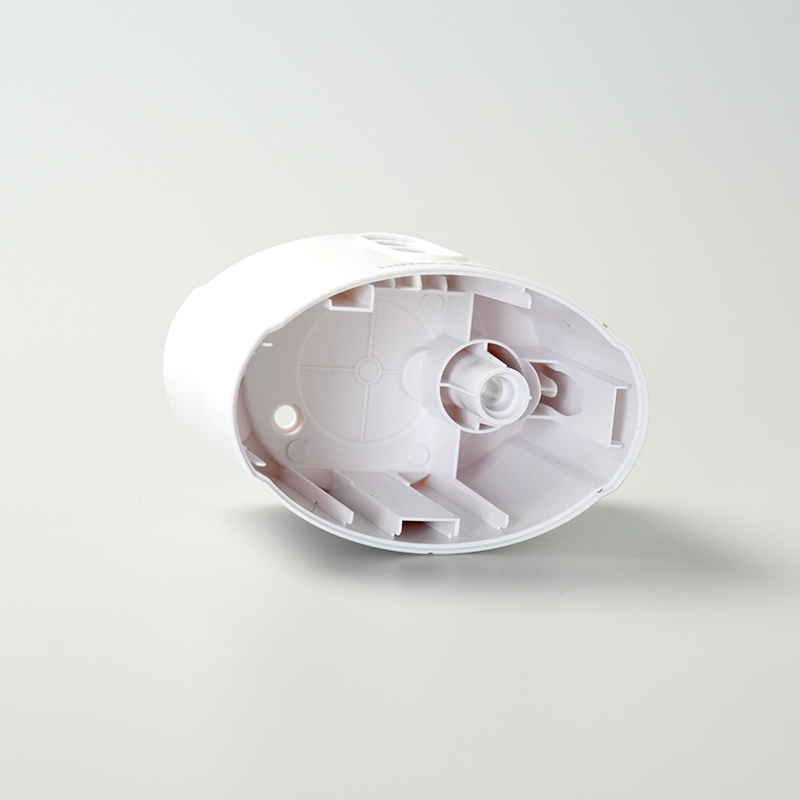
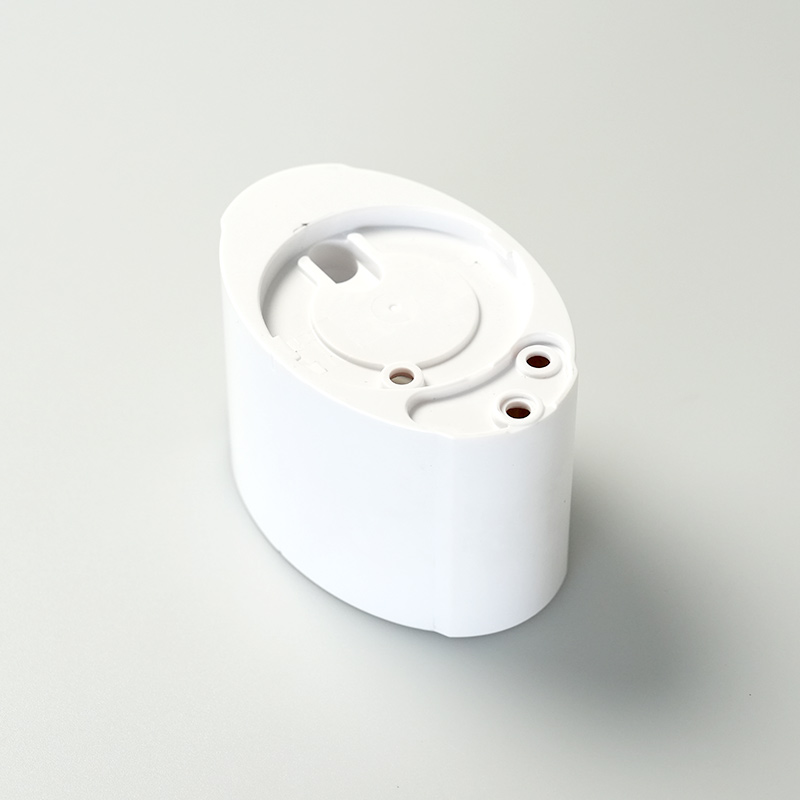
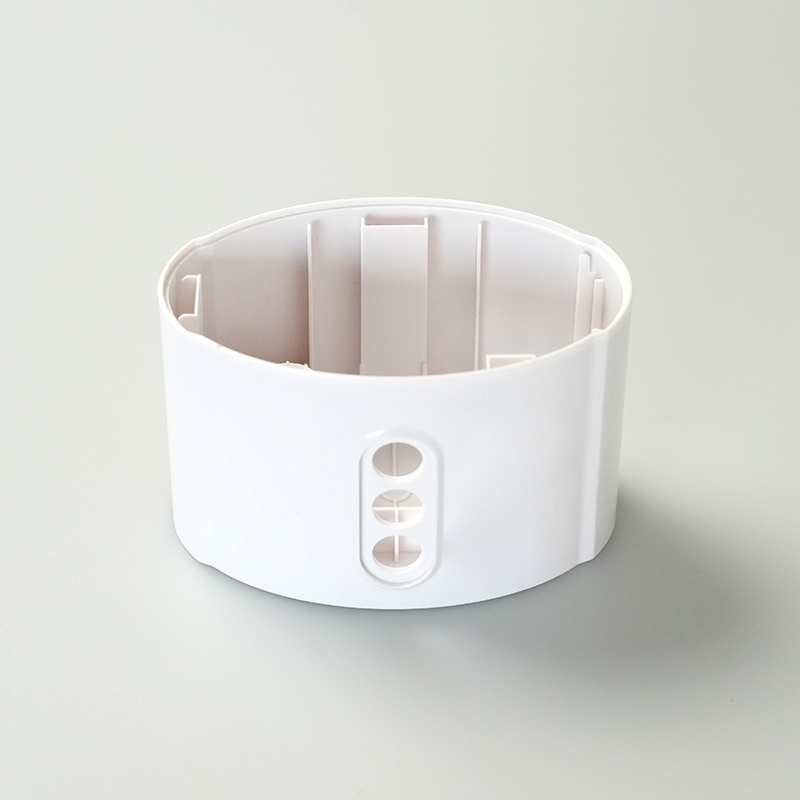
Five views cover the outer form and the inside. The inside is where the design lives: ribs, posts, locating features and the boss pattern that the rest of the device is built around.
The top face. Cam surfaces and apertures at the top engage the lid and route the water circuit.
A Body Built From the Inside Out
Internal features on a part like this are not optional detail; they are the drawing. Ribs carry the stiffness that lets the outer wall stay thin. Posts locate the pump bracket and the board. Bosses take the assembly screws, and their depths are set so the screws bottom out in the plastic without splitting it. Every one of those features has a minimum wall behind it, and none of them can be repositioned later without re-tooling the stations that use them.
That upstream role means tolerances here are tighter than the part’s own function strictly needs. The ribs exist for stiffness, but the locating posts set the position of an electronics board, and a post half a millimetre out of place turns into a connector that will not reach or a button that does not sit right at the finished device.
The inside. Ribs, posts and locating features built from the assembly drawing, not added afterwards.
Moulding a Deep Oval Shell
The body is an oval tube, deeper than it is wide, which puts the core in the deep-draw category. Core draft has to be enough to release without scuffing the inner ribs, and the ribs themselves need draft on both flanks or they drag. The flow also has to reach the bottom of the shell across a long path, which is where the gate layout and packing profile earn their keep: an underpacked base warps and pulls the whole assembly out of register.
Ejection pushes on features that survive the push. The ribs and posts are convenient to push against but they are also the features the device depends on, so the ejector layout is arranged to load the structural base rather than any single rib.
The side apertures. Openings through the shell route the water circuit and locate the tank.The spacing posts. Their positions set where the internal components land, so they are dimensioned to the assembly.The open base. Core draft and rib draft are worked together so the shell releases without dragging.
What Gets Checked Before Shipping
Post and boss positions against the assembly drawing, since they set the position of everything else. Rib thickness, checked for sink on the outer wall. Base flatness and shell height, which decide how the device closes. Fit with the mating tank and panels using the real parts, not gauges alone.
Information to Confirm Before Starting a Structural Body Project
The assembly drawing, since internal posts and ribs are referenced to the components they carry.
Pump and board mounting details, which set boss depths and screw sizes.
The mating tank and panel drawings, so the shell interfaces are built to real geometry.
Resin specification and the cleaning or splash conditions the device sees.
Annual volume, which decides cavity count and the inspection intensity on internal dimensions.
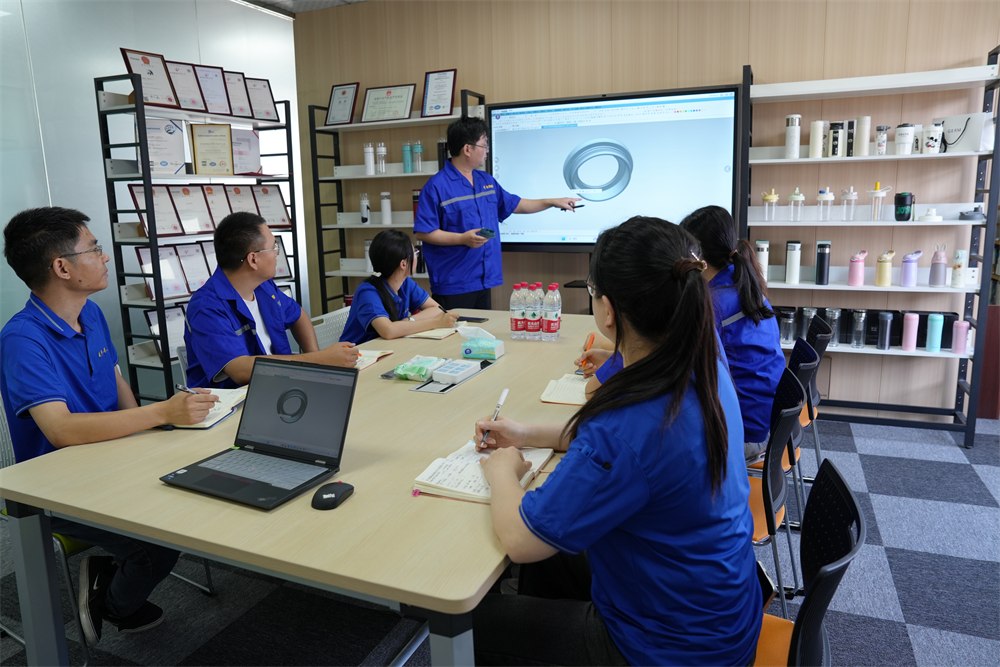
Kunshan Maifeng Precision Industry Co., Ltd. reviews device structural part designs before quoting, builds the injection molds in house, and molds single-color and dual-color parts on 36 machines from 90 to 700 tons. Send us the assembly drawing and the mounting details, and we will come back with a feasibility comment and a tooling proposal.
Company Profile
About Us
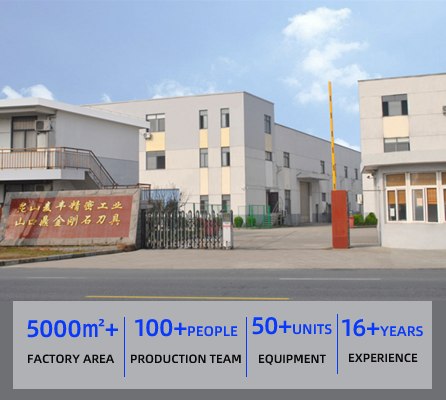
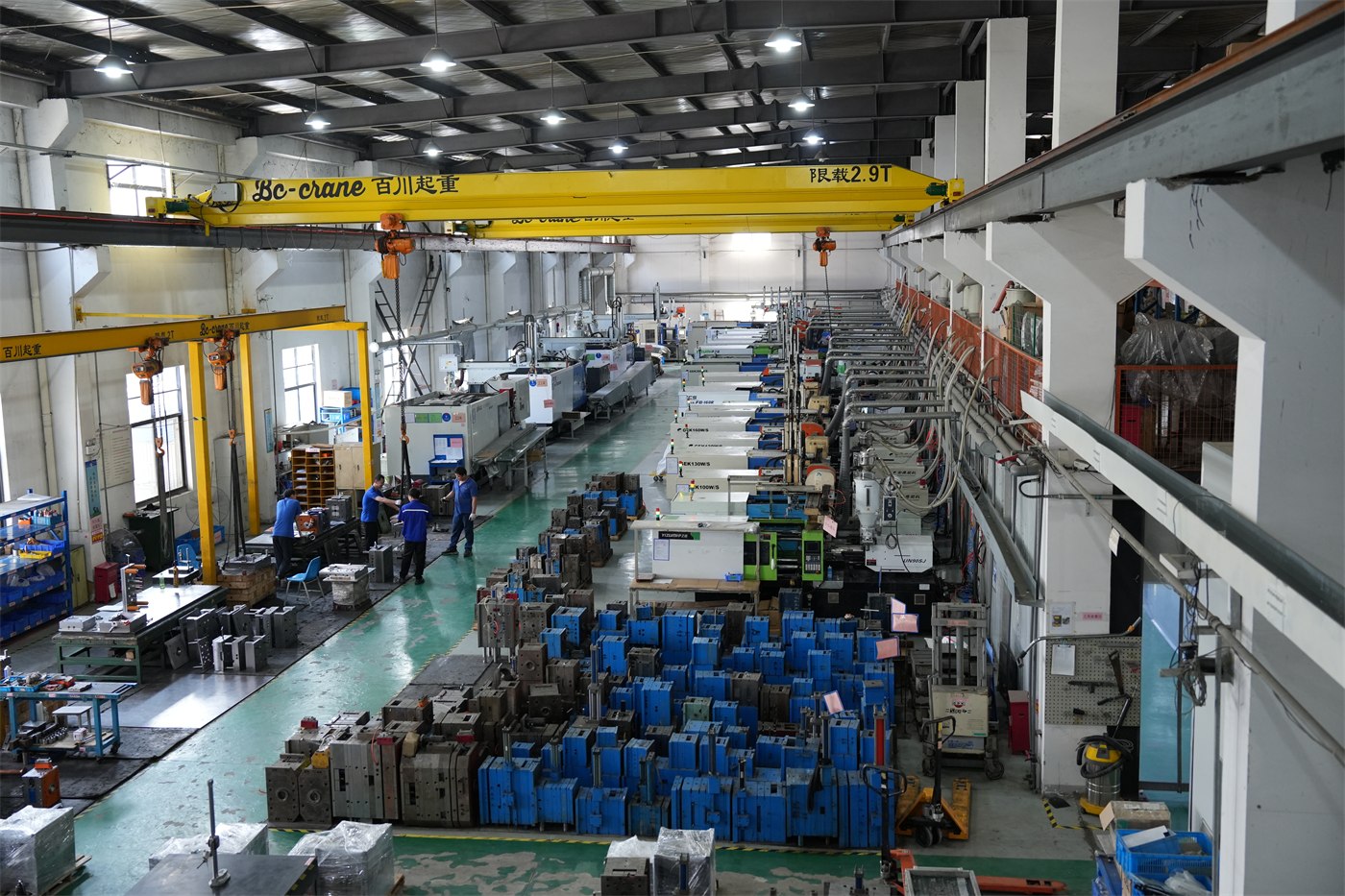
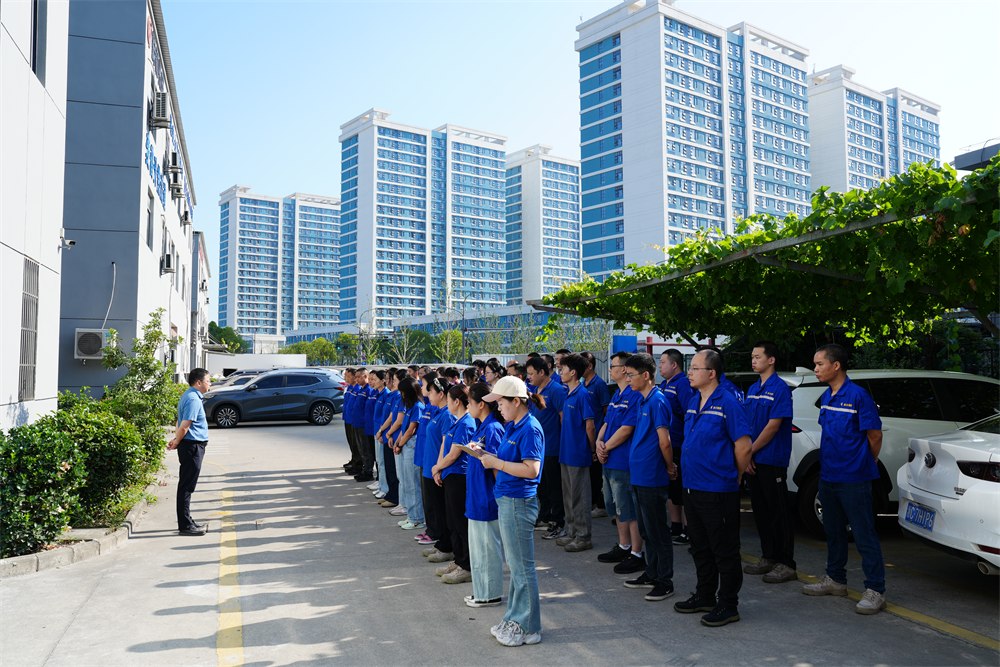
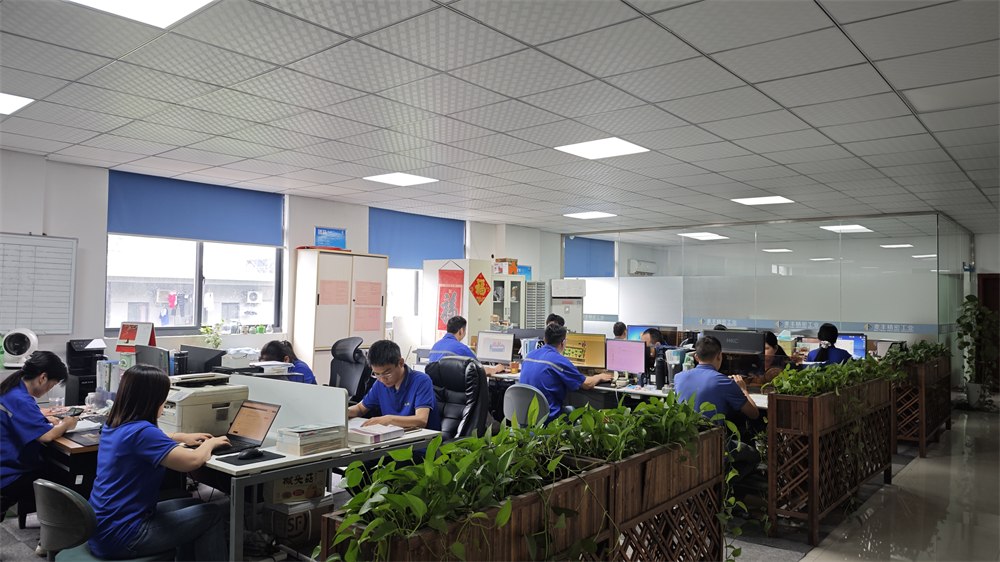
Kunshan Maifeng Precision Industry Co., Ltd. (MIF) has an investment of RMB 35 million and an independent factory of more than 5,000 m². The company operates 36 single- and dual-color injection molding machines from 90 to 700 tons, together with more than 50 sets of mold manufacturing and processing equipment. Our service, management and production team includes over 100 people.
Our parent company was established in 2008. We provide product design, mold design and manufacturing, injection molding and product assembly services for custom plastic parts, supporting both domestic and international customers.
1. Product Design Product structure design and optimization based on customer drawings and samples.
2. Mold Design Mold design developed around product geometry, material and production requirements.
3. Mold Manufacturing Machining, polishing, fitting and assembly for custom injection molds.
4. Injection Molding Single- and dual-color injection molding for project and order requirements.
5. Product Assembly Supporting assembly services for molded plastic components.
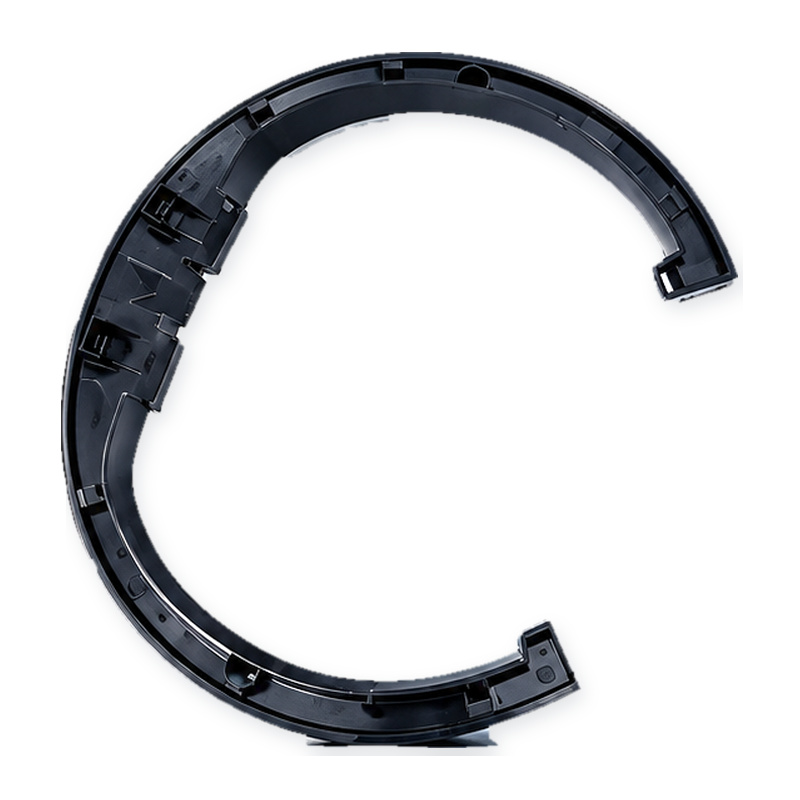
Custom glossy black PC protective cover for lawn mowers: an open-ring shell with snap clips molded in one shot and a class-A face that survives stones, sun and cleaning.
Custom PC light-diffusion tail light grille for lawn mowers: an even light band, a ribbed outer face, a sealed fixing flange and an optical surface finished to the agreed polish.
Custom clear PC tail light strip for mowers and outdoor equipment: compound curve, uniform wall, polished optical face and colour matched to your chip.
PC+ABS automotive wireless charging housing with an open coil window, four mounting ears and a stiffening rib, molded, inspected and packed for console assembly.
PC lawn mower tail light grille produced through custom mold development, precision injection molding and strict quality control for demanding outdoor applications.
PP handles and plastic parts for a 3rd generation magnetic wall mounted toilet brush, produced at Maifeng Precision through custom mold design, injection molding and careful inspection.
ABS nasal irrigator outer housing produced with custom multi-cavity molds, precision injection molding, careful trimming and dust-free packaging for personal care brands.
ABS nasal irrigator base produced with custom mold design, precision injection molding, strict inspection and dust-free packaging for personal care and medical device assemblies.
No matter what your automotive needs may be, we’re here to help. Contact us today to learn more about our
services and how we can assist you with all of your needs.
ISO 13485-certified medical injection molding in Class 10,000/100,000 cleanrooms: 36 single and dual-color machines, proven medical cases and trusted partners.
One-stop cup and bottle molding: dual-color lids, tea-separation cups and handles, QS food-contact licensed production with proven cases for global brands.
Contact Us
To grow into a top global mold & injection molding supplier
To grow into a top global mold & injection molding supplier, specializing in differentiated custom parts. We focus on structural development, streamlined production and consistent quality supply.






 English
 Chinese