A power tool housing may look like an outer shell, but its real job is structural. It locates the motor, transmission, switch, battery interface and fasteners while also forming the surfaces that users hold. For a cordless drill or similar handheld tool, the housing therefore has to balance stiffness, impact resistance, dimensional stability, assembly accuracy and a comfortable grip.
This example uses a PA6 base reinforced with glass fiber for the rigid housing and a two-color molding approach for the contrasting functional areas. The material and process choices are only part of the solution. Stable production begins with the part structure, mold layout and molding sequence being considered together.
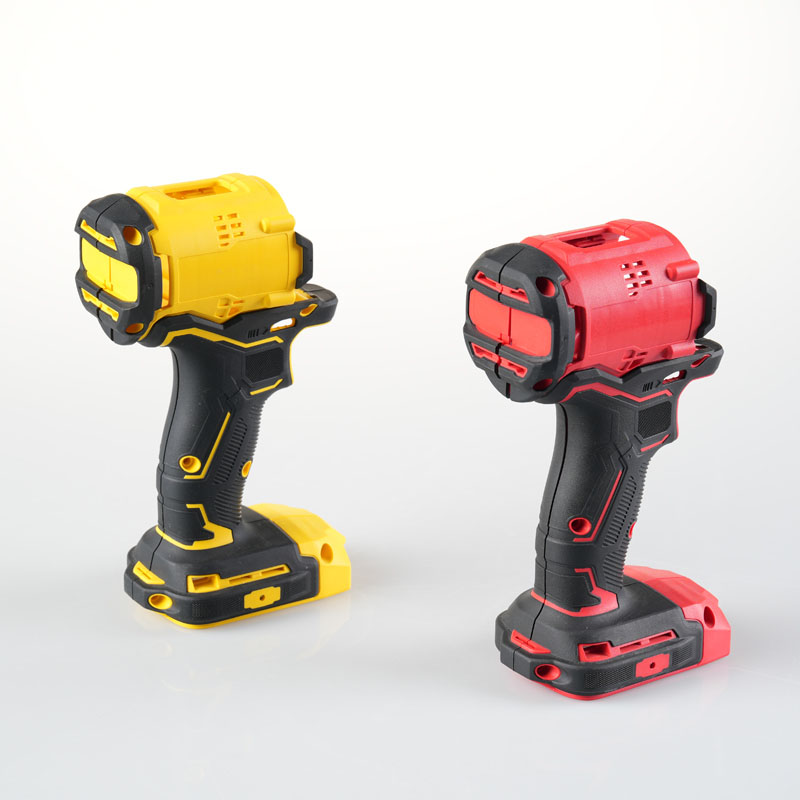
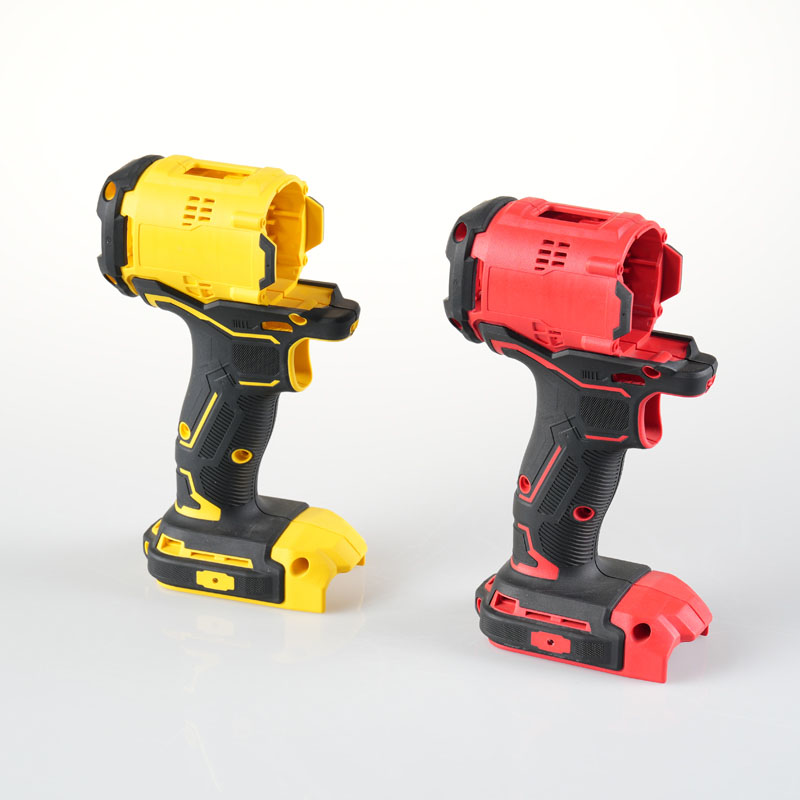
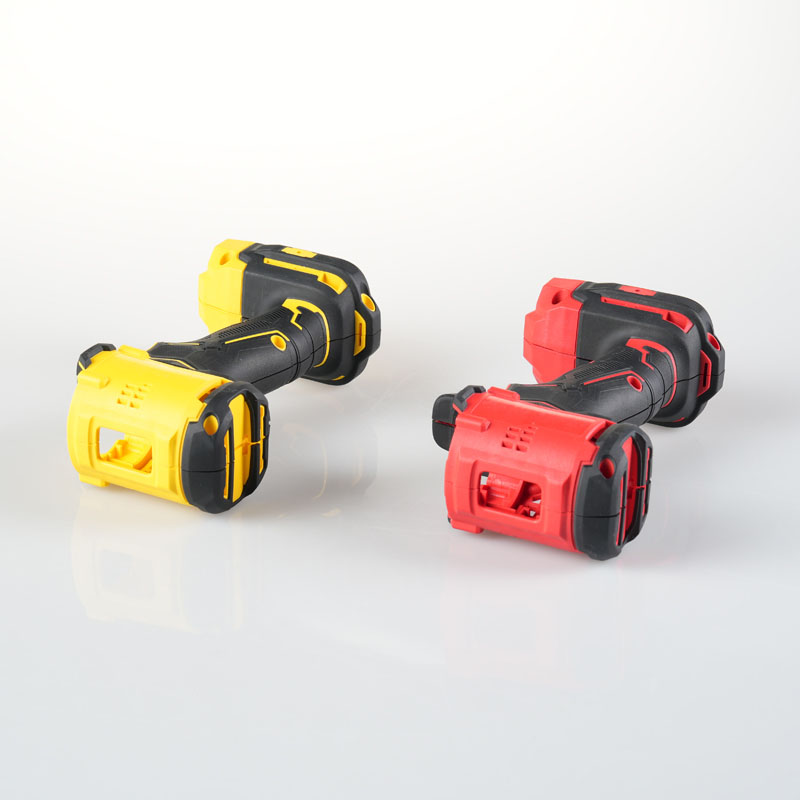
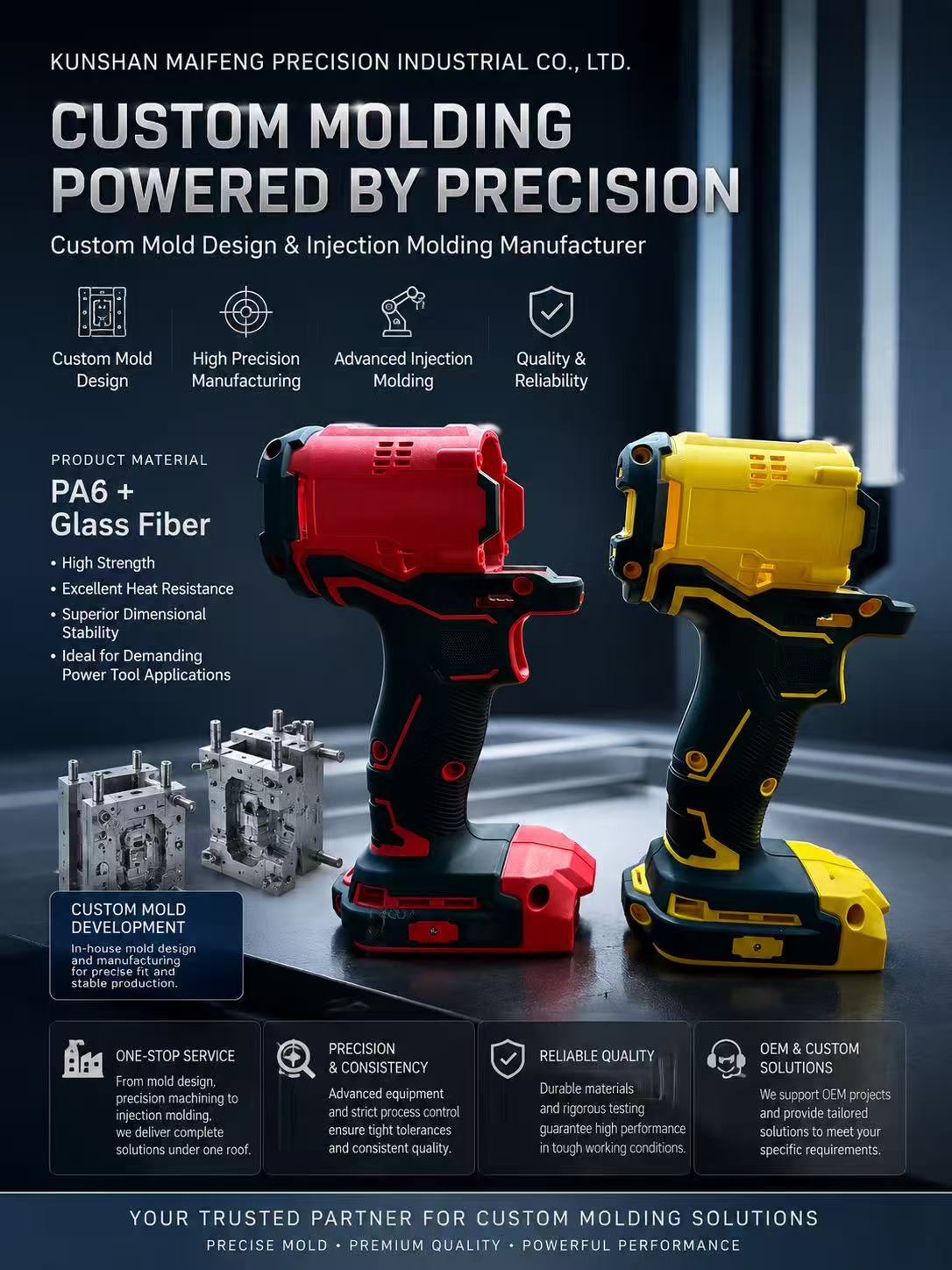
Power tool housing concepts using a rigid PA6 glass-fiber structure and contrasting molded grip details.
Why PA6 With Glass Fiber Is Used for Power Tool Housings
Glass-fiber-reinforced PA6 is commonly considered when a housing needs greater rigidity and dimensional stability than an unfilled polymer can provide. Those properties can help internal mounting points retain their geometry under load and support repeatable alignment during assembly.
The reinforcement also changes how the part should be designed and molded. Fiber orientation, weld-line position, wall transitions and gate location can all influence shrinkage and local strength. A practical design review should therefore focus not only on the nominal material grade, but also on how the melt will flow through the actual housing geometry.
Inside the shell, ribs, screw bosses, locating features and component supports work as one system. Ribs can improve stiffness without making every wall unnecessarily thick, while properly proportioned bosses provide fastening points for repeated assembly. Gradual wall transitions help reduce visible sink and uneven cooling around these features.
The two halves must also close consistently around internal components. Parting lines, shutoffs, draft and ejector locations need to be planned around the assembly stack so that cosmetic requirements do not conflict with reliable release from the mold.
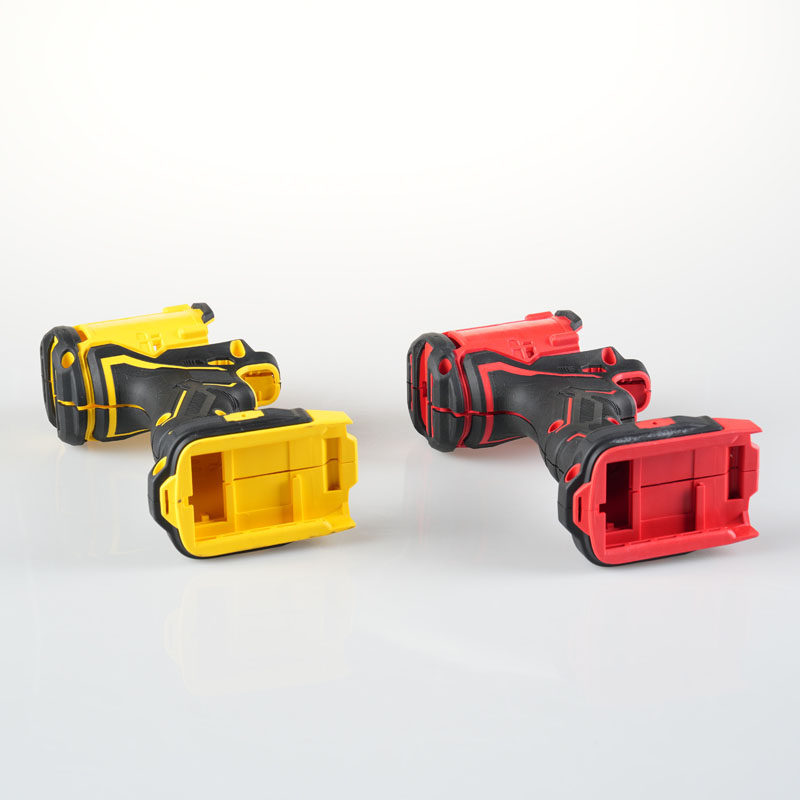
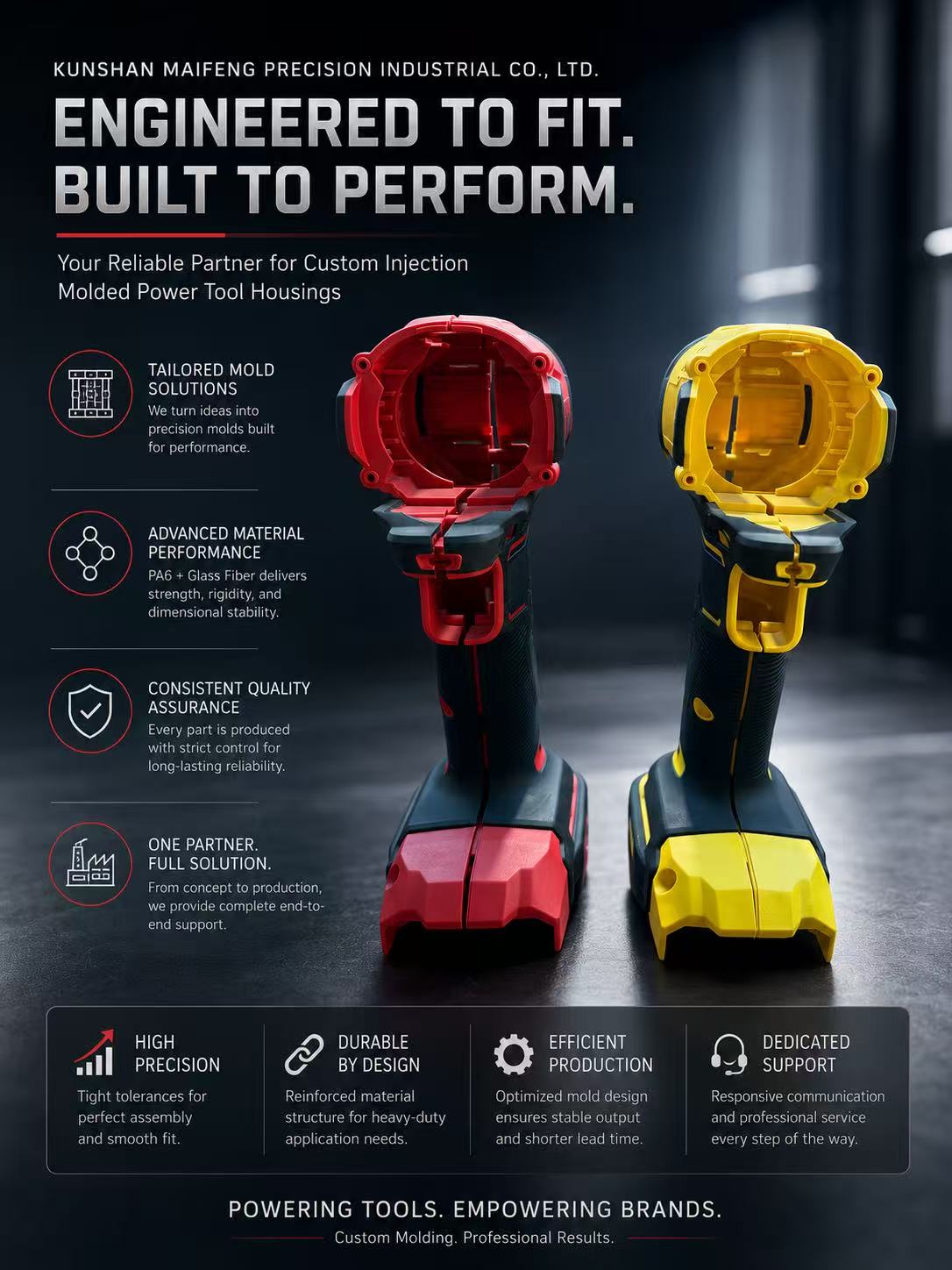
The interior geometry shows the ribs, bosses and locating features that make the shell an assembly component rather than a decorative cover.
Planning the Two-Color Molding Interface
Two-color molding can integrate rigid structural regions with grip or protective details in one coordinated manufacturing workflow. The interface needs enough mechanical engagement and clean shutoff geometry to keep the two materials in their intended areas. Material compatibility, surface texture and the required feel should be confirmed before the tooling concept is finalized.
Gate position, cooling balance and ejection are evaluated for both molding stages. The first component must remain dimensionally stable enough for the second shot, and the second material should fill its designed path without flashing across the rigid shell.
A view of the two-color injection molding process used for functional plastic components.
Questions to Resolve Before Tooling Starts
Which components and load paths must the housing support?
Where are the critical screw-boss, bearing and battery-interface dimensions?
Which areas require a soft-touch or protective second material?
How will vents, ribs and wall transitions affect filling and cooling?
What cosmetic surfaces must remain free of gates, ejector marks and visible weld lines?
Answering these questions early allows product design, mold design and injection molding requirements to converge before steel is cut. Kunshan Maifeng Precision Industry Co., Ltd. supports product structure review, mold design and manufacturing, single- and dual-color injection molding, and product assembly for custom plastic parts. For a power tool housing project, drawings, material requirements, annual demand and assembly details provide a useful starting point for technical evaluation.
Company Profile
About Us
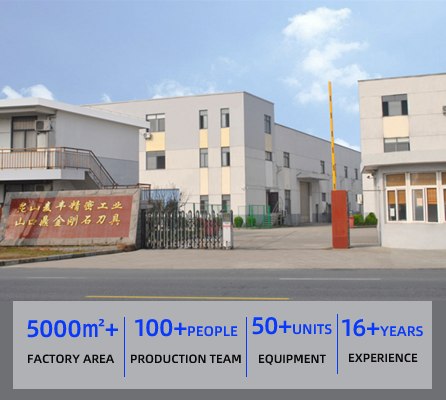
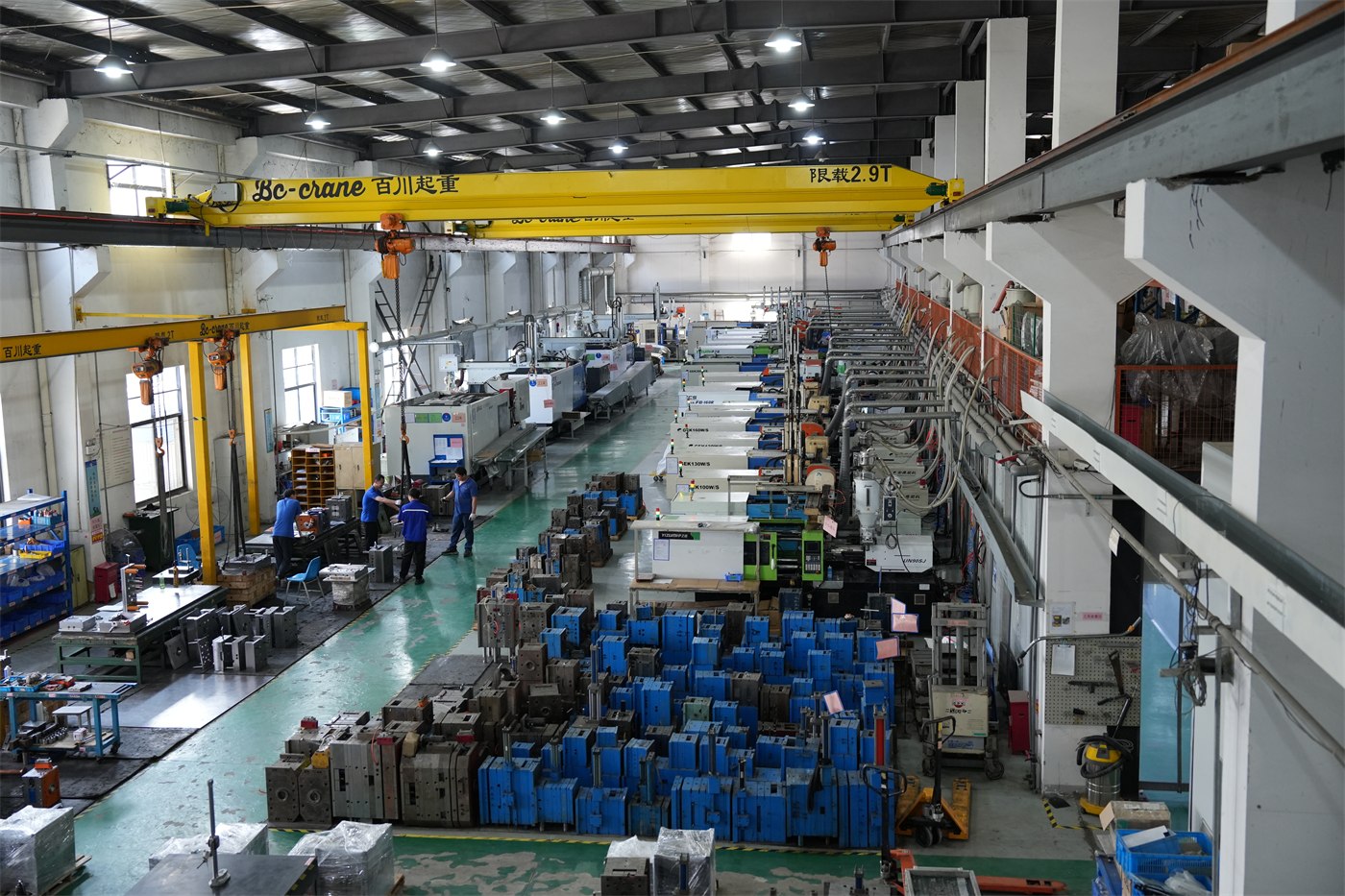
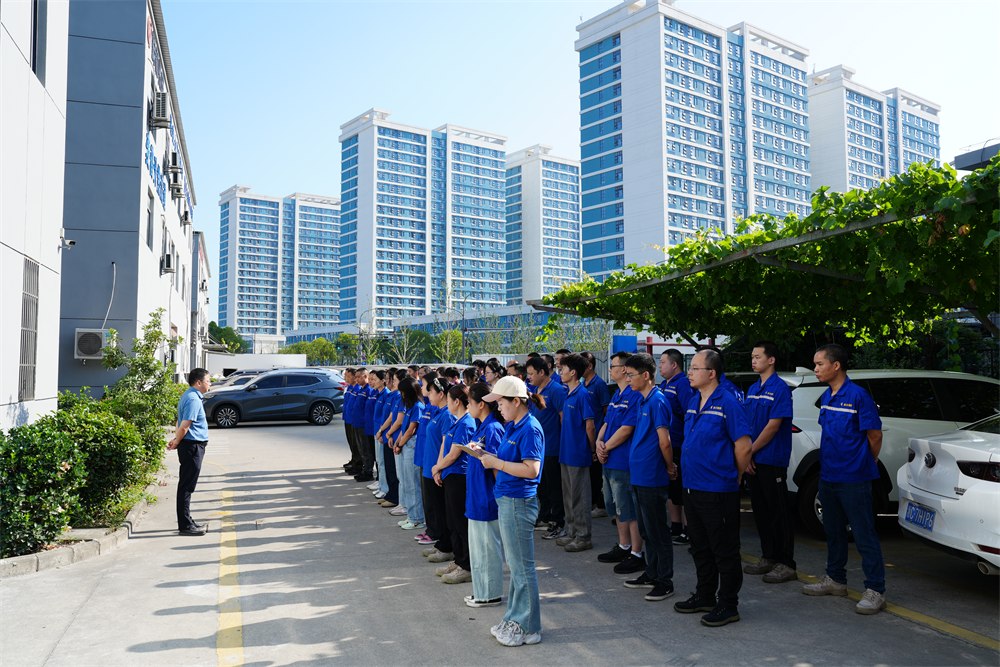
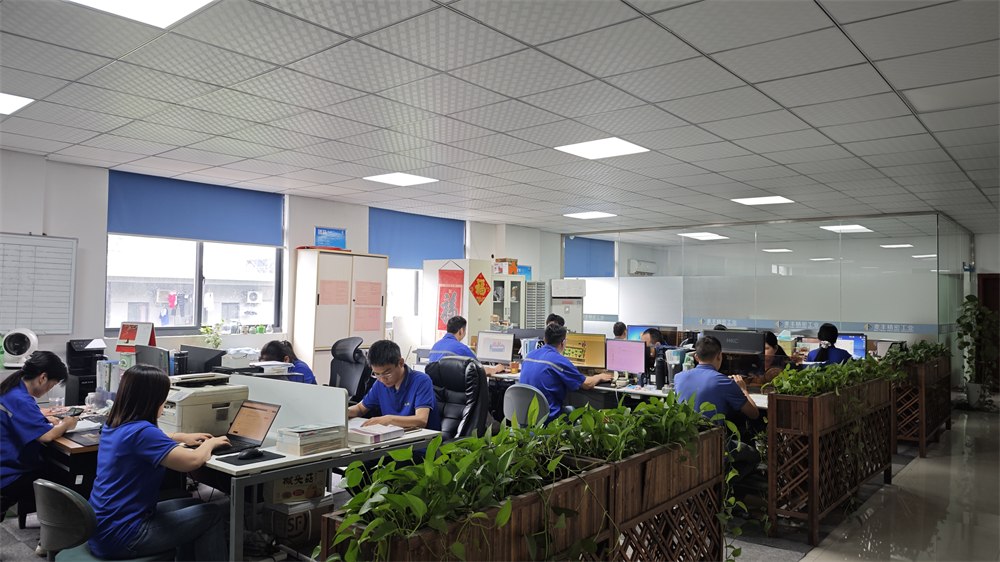
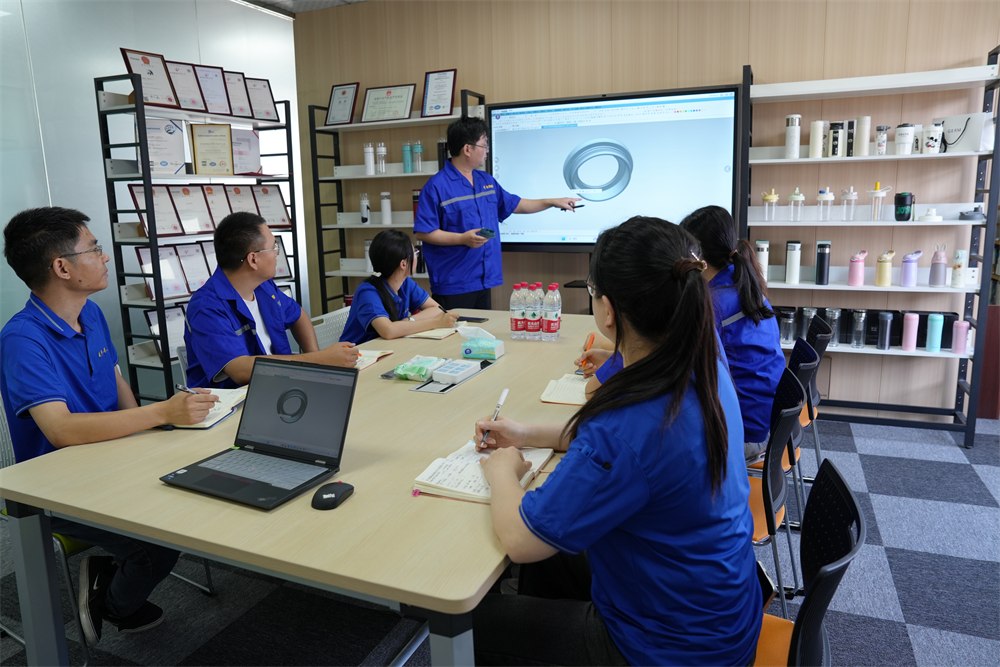
Kunshan Maifeng Precision Industry Co., Ltd. (MIF) has an investment of RMB 35 million and an independent factory of more than 5,000 m². Our manufacturing resources include 36 single- and dual-color injection molding machines from 90 to 700 tons and more than 50 sets of mold manufacturing and processing equipment. Supported by a service, management and production team of over 100 people, we provide product design, mold design and manufacturing, injection molding, and product assembly. Our parent company was established in 2008.
1. Product Design
Product structure design and optimization based on customer drawings and samples.
2. Mold Design
Mold concepts developed around product requirements, material and production needs.
3. Mold Manufacturing
Machining, polishing, assembly and related processes for custom molds.
4. Injection Molding
Single- and dual-color molding capabilities for custom production.
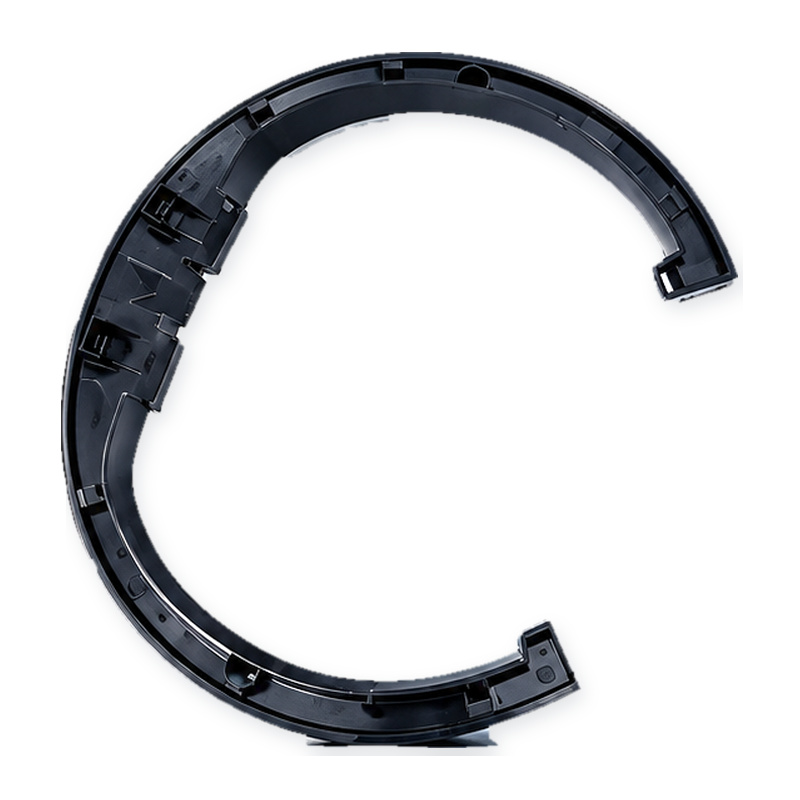
Custom glossy black PC protective cover for lawn mowers: an open-ring shell with snap clips molded in one shot and a class-A face that survives stones, sun and cleaning.
Custom PC light-diffusion tail light grille for lawn mowers: an even light band, a ribbed outer face, a sealed fixing flange and an optical surface finished to the agreed polish.
Custom clear PC tail light strip for mowers and outdoor equipment: compound curve, uniform wall, polished optical face and colour matched to your chip.
PC+ABS automotive wireless charging housing with an open coil window, four mounting ears and a stiffening rib, molded, inspected and packed for console assembly.
PC lawn mower tail light grille produced through custom mold development, precision injection molding and strict quality control for demanding outdoor applications.
PP handles and plastic parts for a 3rd generation magnetic wall mounted toilet brush, produced at Maifeng Precision through custom mold design, injection molding and careful inspection.
ABS nasal irrigator outer housing produced with custom multi-cavity molds, precision injection molding, careful trimming and dust-free packaging for personal care brands.
ABS nasal irrigator base produced with custom mold design, precision injection molding, strict inspection and dust-free packaging for personal care and medical device assemblies.
No matter what your automotive needs may be, we’re here to help. Contact us today to learn more about our
services and how we can assist you with all of your needs.
ISO 13485-certified medical injection molding in Class 10,000/100,000 cleanrooms: 36 single and dual-color machines, proven medical cases and trusted partners.
One-stop cup and bottle molding: dual-color lids, tea-separation cups and handles, QS food-contact licensed production with proven cases for global brands.
Contact Us
To grow into a top global mold & injection molding supplier
To grow into a top global mold & injection molding supplier, specializing in differentiated custom parts. We focus on structural development, streamlined production and consistent quality supply.






 Chinese
 English