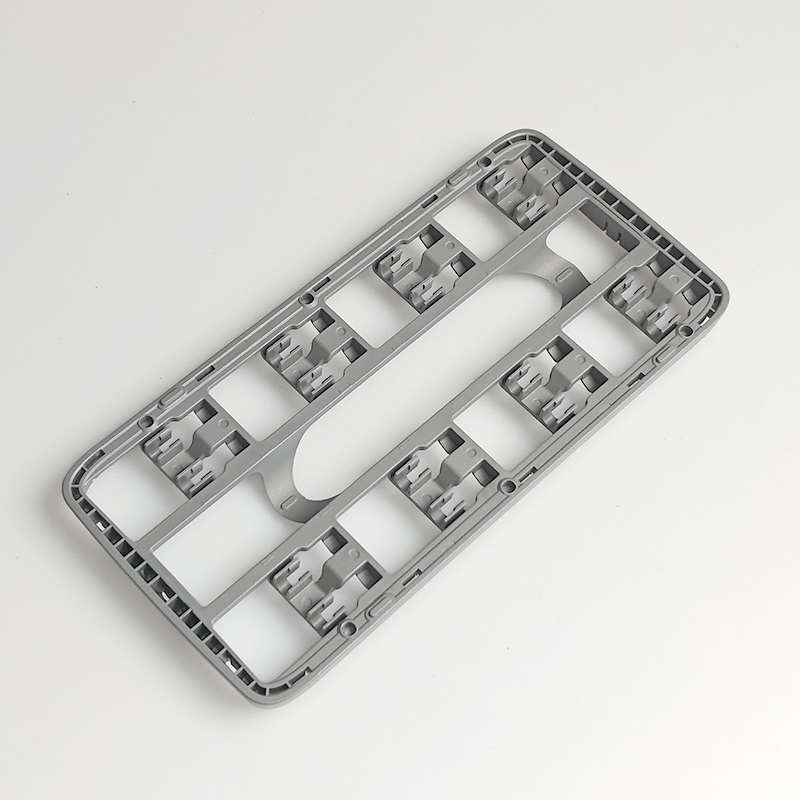
This screwdriver tray insert is molded as one rigid piece, with a grid of cells shaped to the handles and bits they hold. Each cell grips its tool at two points with moulded spring fingers, so nothing rattles in the case and every tool returns one-handed. The border frame carries the case mounting points, and the central opening leaves room to lift a tool out. Flatness is controlled at the tooling stage because an open frame shrinks unevenly, and the tray is checked against the actual case before shipping. Cell layout, tray size and colour can be adapted to a customer tool set.
one-piece grid with no joints, so nothing to separate or trim in use
two-point spring fingers per cell hold tools through thousands of insertion cycles
flatness engineered for an open frame and verified against the real case
The inner tray of a screwdriver case does one job for the life of the product: hold every handle and bit exactly where its printed outline says it should be, so the user can see at a glance which tool is missing. The trays shown here are that insert, moulded as one piece in a rigid grey resin, with a grid of slots and clip features sized to the tools they hold.
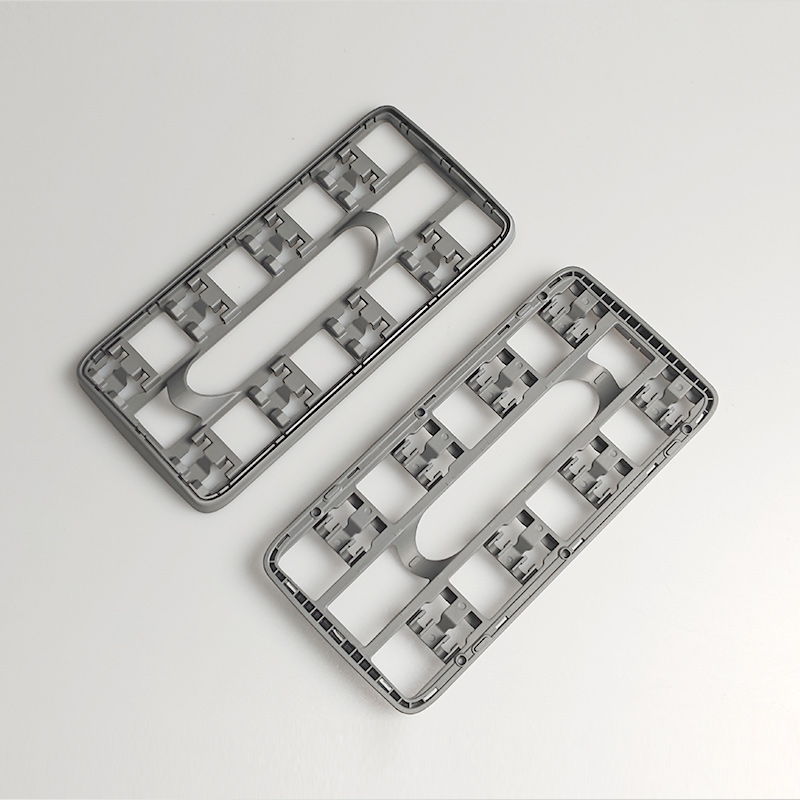
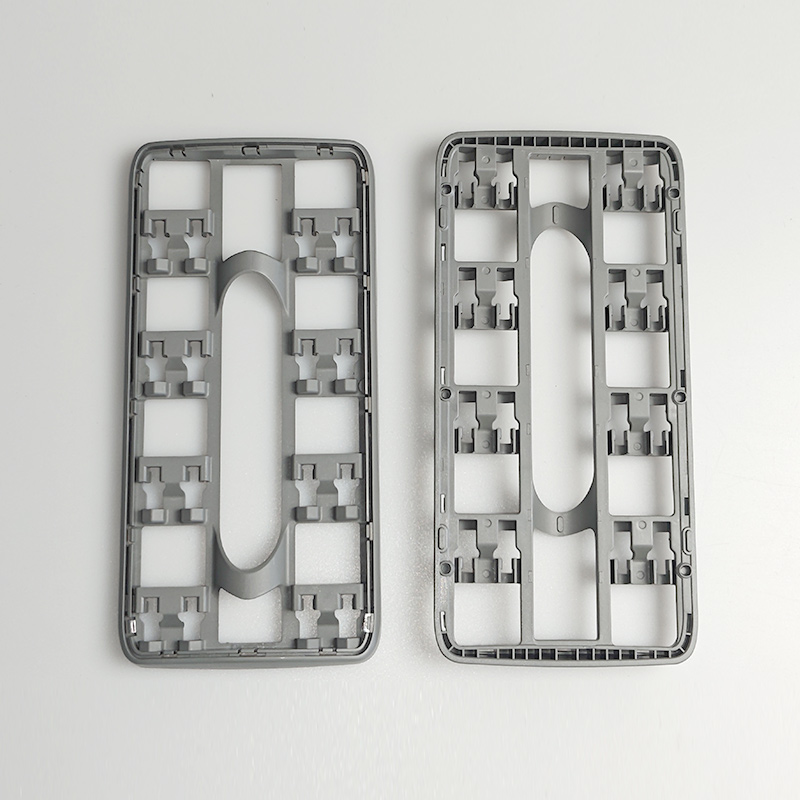
The three views show the same tray family in two sizes. The layout is the interesting part of the design: a border frame carries the case hinges and latches, the central opening gives a thumb room to lift a tool out, and each cell clips its tool at two points so nothing rattles when the case is carried.
The tray insert. The border frame carries the case fittings, and the central opening leaves room to lift a tool out.
An Open Frame That Has to Stay Flat
A tray is mostly holes. That is good for material and weight, and hard for moulding, because an open frame shrinks unevenly: the border pulls one way, the grid cells pull another, and the result is a tray that dishess or twists in the case. The countermeasures are the standard ones applied early: even wall through frame and cells, balanced cooling, and a gate layout that finishes filling all regions at the same time.
Flatness is not cosmetic here. The tray screws into the case bottom half, and if it rocks, the case lid will not close square and the printed layout will not line up with the recesses underneath. Flatness is therefore checked on every lot against the case it goes into, not just against a surface plate.
Two sizes from the same family. The cell layout scales with the tool set, but the clip features stay consistent.
The Cells and Their Clips
Each cell is shaped to its tool. Handle cells grip on the diameter with two opposed fingers; bit cells grip on the shank with a tighter pair. The fingers are moulded spring features: stiff enough that a tool does not fall out when the case is inverted, forgiving enough that a tool goes back in one-handed without effort.
That balance is set by finger length, root thickness and lead-in angle, and it has to survive thousands of insertion cycles in a workshop tray. A finger that is perfect on day one and cracks on day two hundred is a warranty problem, so the root radius and the resin choice are read together: a resin with more give lets the finger survive flexing that a stiffer one would not.
Front view. The clip fingers in each cell hold the tools at two points without locks or fasteners.
One Piece, No Assembly
The tray could be made in pieces and welded, but there is no reason to. A single moulded piece has no joints to separate, no weld flash to trim, and one tool instead of several. The price is a tool with a lot of small features in one shot, which makes the mould design and the venting matter: dead spots between the cells trap air and short out, and they are exactly where a first article inspection will find them.
What Gets Checked Before Shipping
Flatness against the case it mounts in. Cell dimensions against the actual tools, handle and bit, using production samples rather than gauges alone. Clip retention, measured by pull-out force and by inverting a loaded tray. Cycle life on the fingers, sampled across the lot. Colour against the case halves, since the tray sits visibly inside an open case.
Information to Confirm Before Starting a Tool Tray Project
The tool set specification, handle diameters, bit shanks and the layout order the customer wants.
The case bottom drawing, including mounting points, since the border geometry is built to it.
Resin and colour specification, including any requirement to match the case halves.
Whether one tray design must serve several case sizes or each case gets its own tool.
Annual volumes per size, which decide cavity count and whether a family tool is worthwhile.
Kunshan Maifeng Precision Industry Co., Ltd. reviews tool storage and accessory designs before quoting, builds the injection molds in house, and molds single-color and dual-color parts on 36 machines from 90 to 700 tons. Send us the tool set list and the case drawing, and we will come back with a feasibility comment and a tooling proposal.
Company Profile
About Us
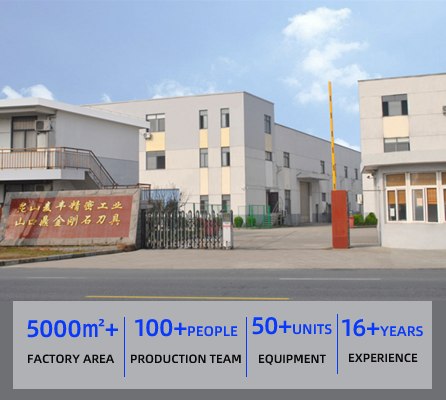
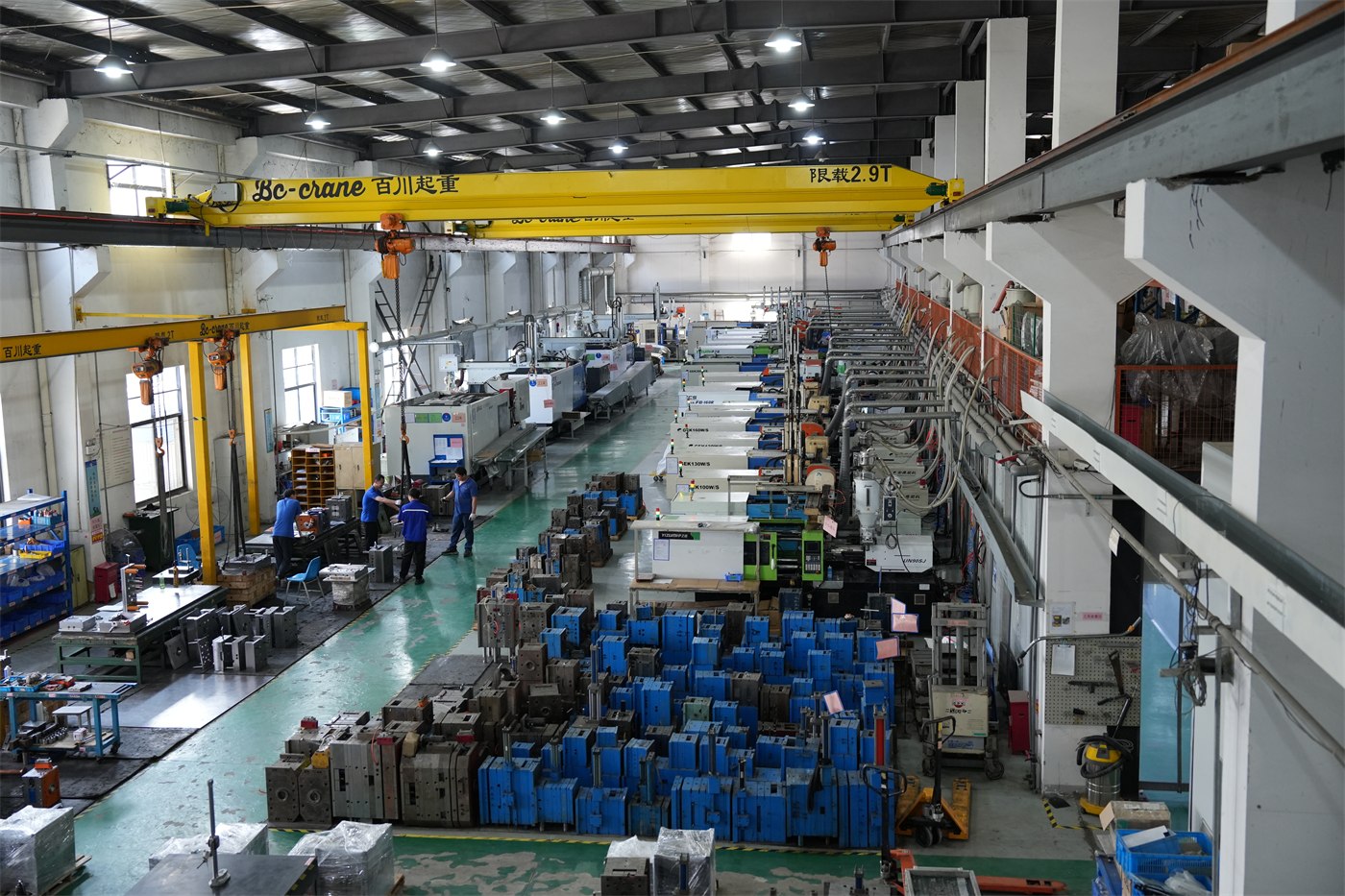
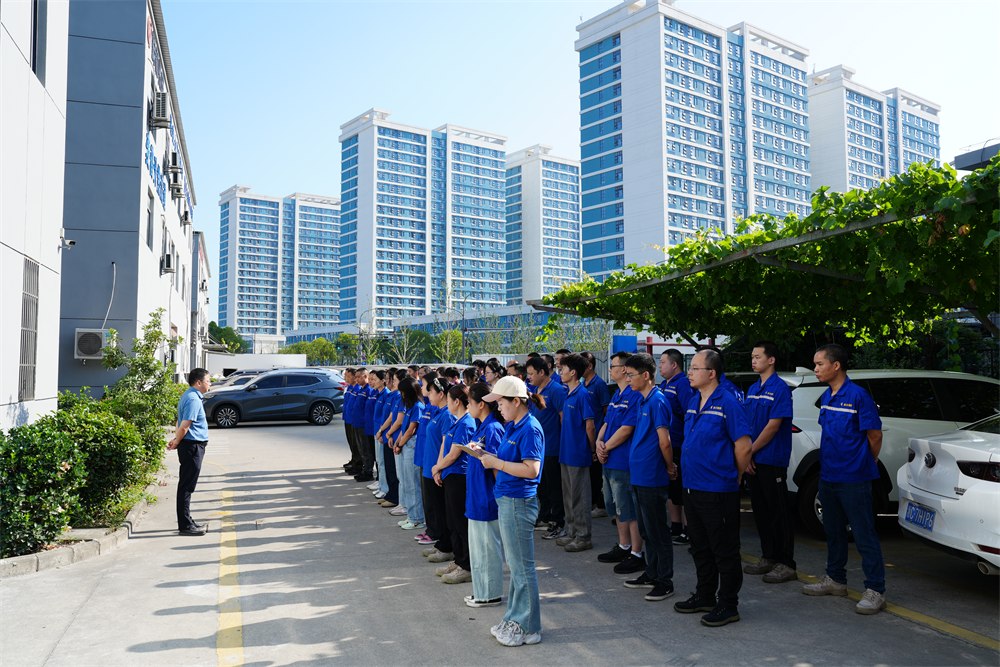
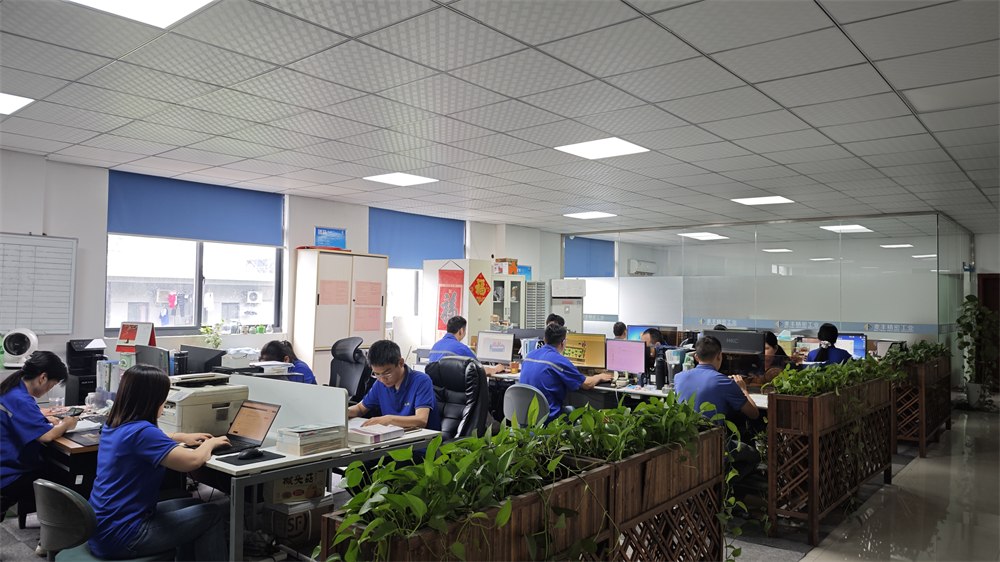
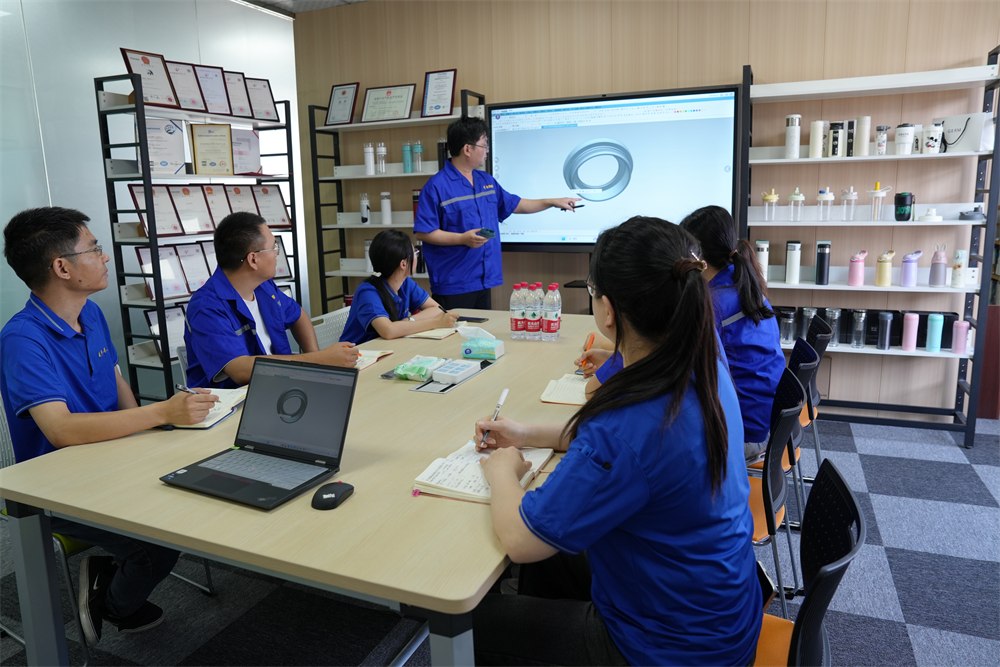
Kunshan Maifeng Precision Industry Co., Ltd. (MIF) has an investment of RMB 35 million and an independent factory of more than 5,000 m². The company operates 36 single- and dual-color injection molding machines from 90 to 700 tons, together with more than 50 sets of mold manufacturing and processing equipment. Our service, management and production team includes over 100 people.
Our parent company was established in 2008. We provide product design, mold design and manufacturing, injection molding and product assembly services for custom plastic parts, supporting both domestic and international customers.
1. Product Design Product structure design and optimization based on customer drawings and samples.
2. Mold Design Mold design developed around product geometry, material and production requirements.
3. Mold Manufacturing Machining, polishing, fitting and assembly for custom injection molds.
4. Injection Molding Single- and dual-color injection molding for project and order requirements.
5. Product Assembly Supporting assembly services for molded plastic components.
Custom glossy black PC protective cover for lawn mowers: an open-ring shell with snap clips molded in one shot and a class-A face that survives stones, sun and cleaning.
Custom PC light-diffusion tail light grille for lawn mowers: an even light band, a ribbed outer face, a sealed fixing flange and an optical surface finished to the agreed polish.
Custom clear PC tail light strip for mowers and outdoor equipment: compound curve, uniform wall, polished optical face and colour matched to your chip.
PC+ABS automotive wireless charging housing with an open coil window, four mounting ears and a stiffening rib, molded, inspected and packed for console assembly.
PC lawn mower tail light grille produced through custom mold development, precision injection molding and strict quality control for demanding outdoor applications.
PP handles and plastic parts for a 3rd generation magnetic wall mounted toilet brush, produced at Maifeng Precision through custom mold design, injection molding and careful inspection.
ABS nasal irrigator outer housing produced with custom multi-cavity molds, precision injection molding, careful trimming and dust-free packaging for personal care brands.
ABS nasal irrigator base produced with custom mold design, precision injection molding, strict inspection and dust-free packaging for personal care and medical device assemblies.
No matter what your automotive needs may be, we’re here to help. Contact us today to learn more about our
services and how we can assist you with all of your needs.
ISO 13485-certified medical injection molding in Class 10,000/100,000 cleanrooms: 36 single and dual-color machines, proven medical cases and trusted partners.
One-stop cup and bottle molding: dual-color lids, tea-separation cups and handles, QS food-contact licensed production with proven cases for global brands.
Contact Us
To grow into a top global mold & injection molding supplier
To grow into a top global mold & injection molding supplier, specializing in differentiated custom parts. We focus on structural development, streamlined production and consistent quality supply.






 Chinese
 English