
Nullam dignissim, ante scelerisque the is euismod fermentum odio sem semper the is erat, a feugiat leo urna eget eros. Duis Aenean a imperdiet risus.
Nullam dignissim, ante scelerisque the is euismod fermentum odio sem semper the is erat, a feugiat leo urna eget eros. Duis Aenean a imperdiet risus.
 Maifeng Precision Team
Choosing PC for a handheld therapy device top cover is only the beginning. The part still has to match the surrounding components, present a clean external surface and reproduce every opening and locating feature consistently. When these requirements are considered early, the housing is easier to assemble and more predictable in production.
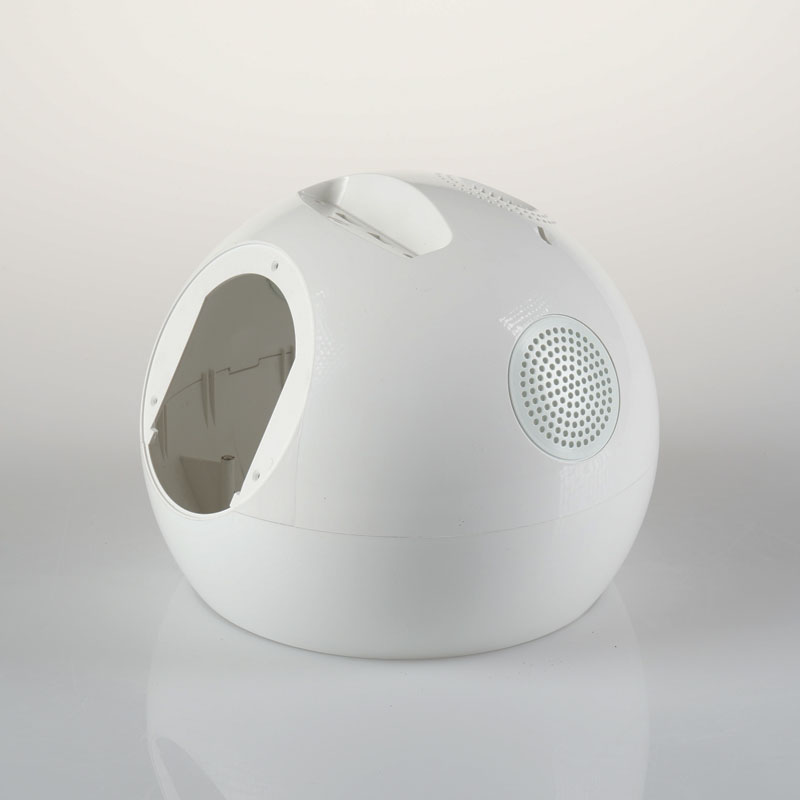
This custom top cover is produced by Kunshan Maifeng Precision Industry Co., Ltd. through mold development and injection molding. The project focuses on practical details that matter to the finished device: dimensional consistency, hole position, surface condition and overall appearance.
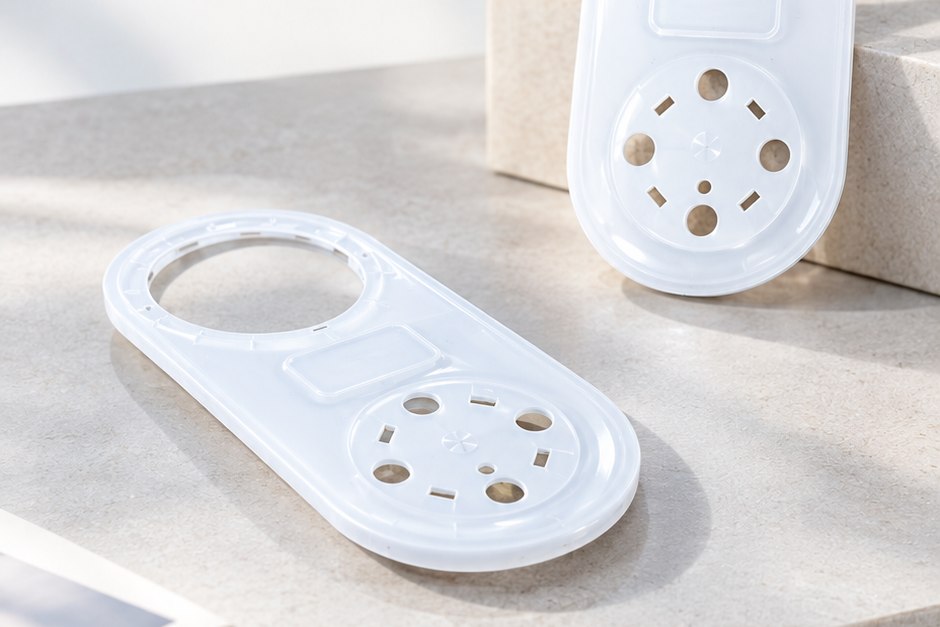
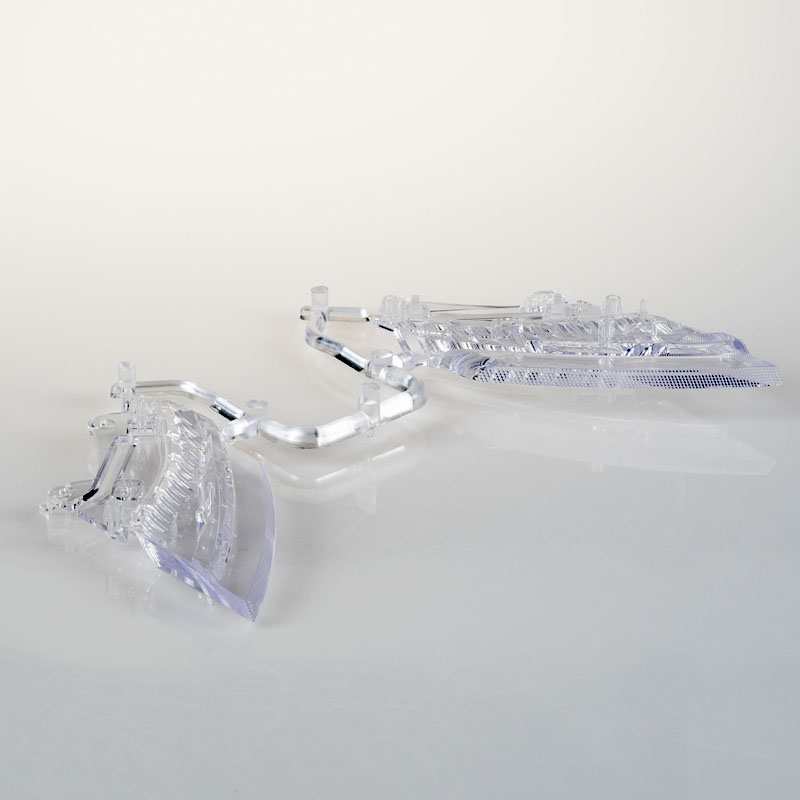
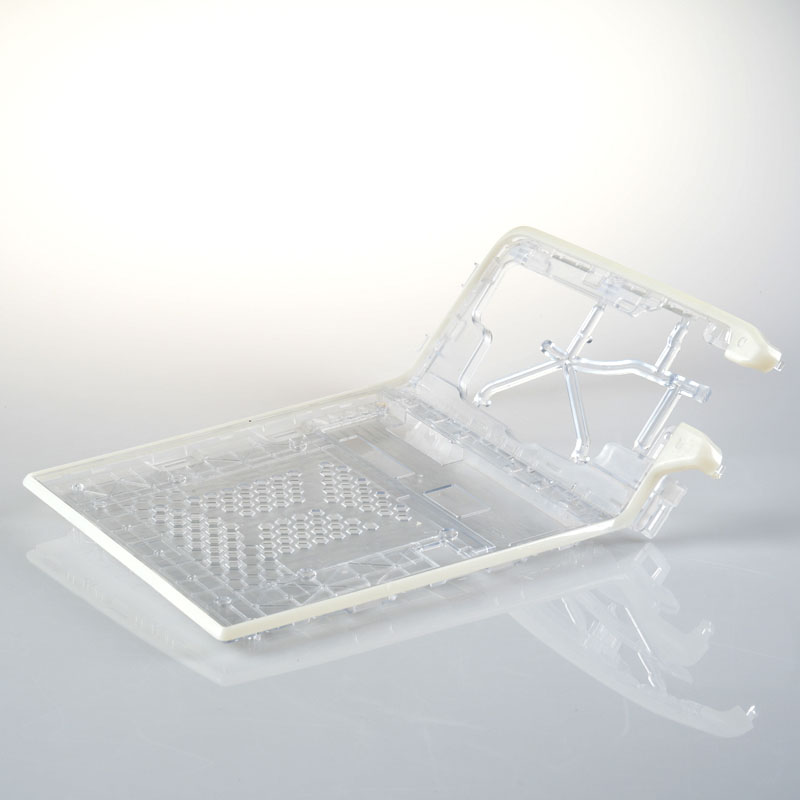
PC is used for this component because the project calls for a durable molded part with a smooth, clean surface. The translucent appearance also makes molding defects and surface inconsistencies easier to notice, so process control and handling both matter.
Material choice should always follow the actual product requirements. Appearance, fit, wall design, operating environment and assembly method need to be considered together. For this cover, the material and part structure are reviewed as one system rather than as separate decisions.
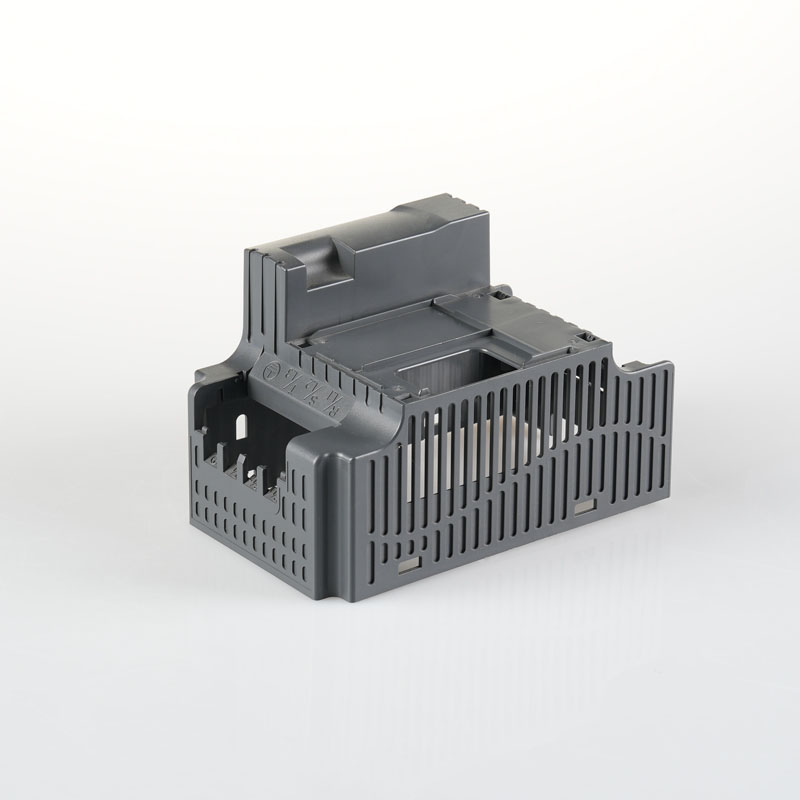
The large circular opening is the most visible feature, but it is not the only area that needs control. The smaller round and rectangular holes must remain in their intended positions so that the top cover can align with the internal parts and the rest of the housing. The outer profile and perimeter also influence the final gap and fit.
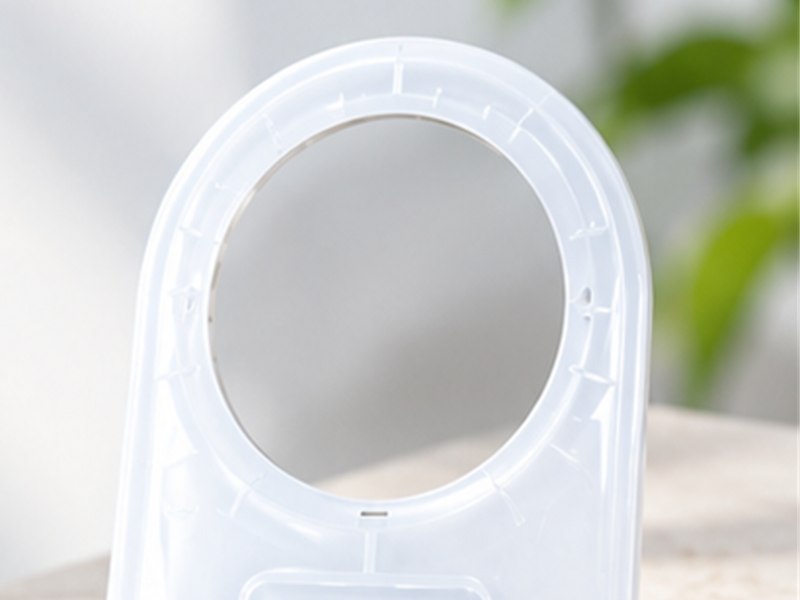
These features create several questions during mold review. The molding direction must allow the part to release without damaging its edges. Wall transitions should support stable filling and cooling. Ejection points need to be placed where they will not compromise the visible surface. The team also checks whether the geometry gives production staff enough room to inspect the features that matter during assembly.
A stable part begins with a mold designed around the supplied product structure. Gate position, parting line, cooling and ejection all influence how the cover fills, shrinks and releases. Before production, trial parts are checked so that the mold and molding conditions can be adjusted where needed.
During injection molding, the process is managed to maintain the cover’s overall shape, hole positions and visible surface. Consistency is especially important for a housing part: a small change may not look serious on its own, but it can become noticeable when the component is fitted to the device.
Inspection covers more than the general outline. The team checks part dimensions, surface quality, hole positioning and overall appearance according to the available project requirements. Visible areas are reviewed for unacceptable molding marks, while functional openings and mating areas are checked for conditions that could interfere with assembly.
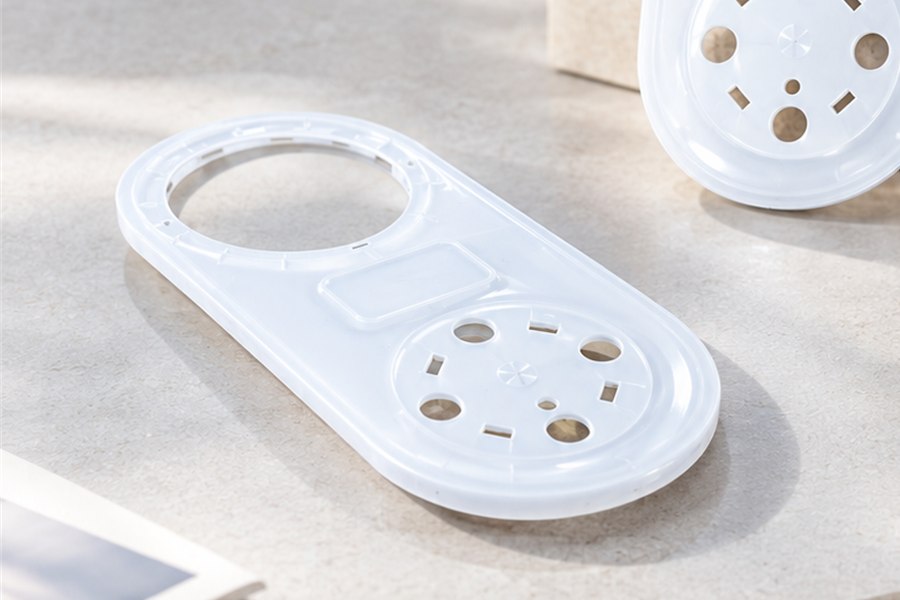
The inspection plan should be based on the customer’s drawing, sample and assembly expectations. Where a dimension or appearance standard is critical, it needs to be identified clearly before mass production. This gives both sides a practical basis for confirming the part rather than relying on a vague visual judgment.
A clean molded surface can still be damaged after production if parts rub against each other or move freely in a container. Packaging therefore needs to suit the shape, appearance and delivery method of the cover. The aim is to protect qualified parts through storage and transport without adding unnecessary handling.
For a translucent PC component, separation and cleanliness deserve particular attention. The final packaging method can be discussed together with the expected order quantity and shipping route.
For a new handheld device housing, useful starting information includes the 3D model, 2D drawing, material requirement, appearance standard, expected quantity and any mating components that affect fit. A physical sample can also help when an existing part needs to be reproduced or improved.
With this information, the team can review the product structure, discuss mold development and plan injection molding, inspection and packaging around the actual application. Questions found before tooling are usually easier to solve than fit or appearance problems discovered after production begins.
If you are developing a handheld therapy device or another custom plastic housing, send us your drawing, 3D model or sample. Maifeng Precision can review the structure and discuss a practical route from mold design to batch production.
Email: Lucie-MF@mold-std.com
WhatsApp / WeChat: +86 17714886855
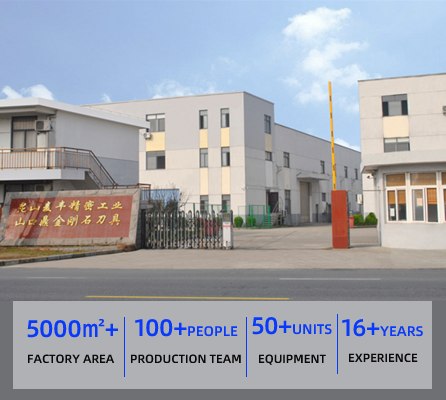
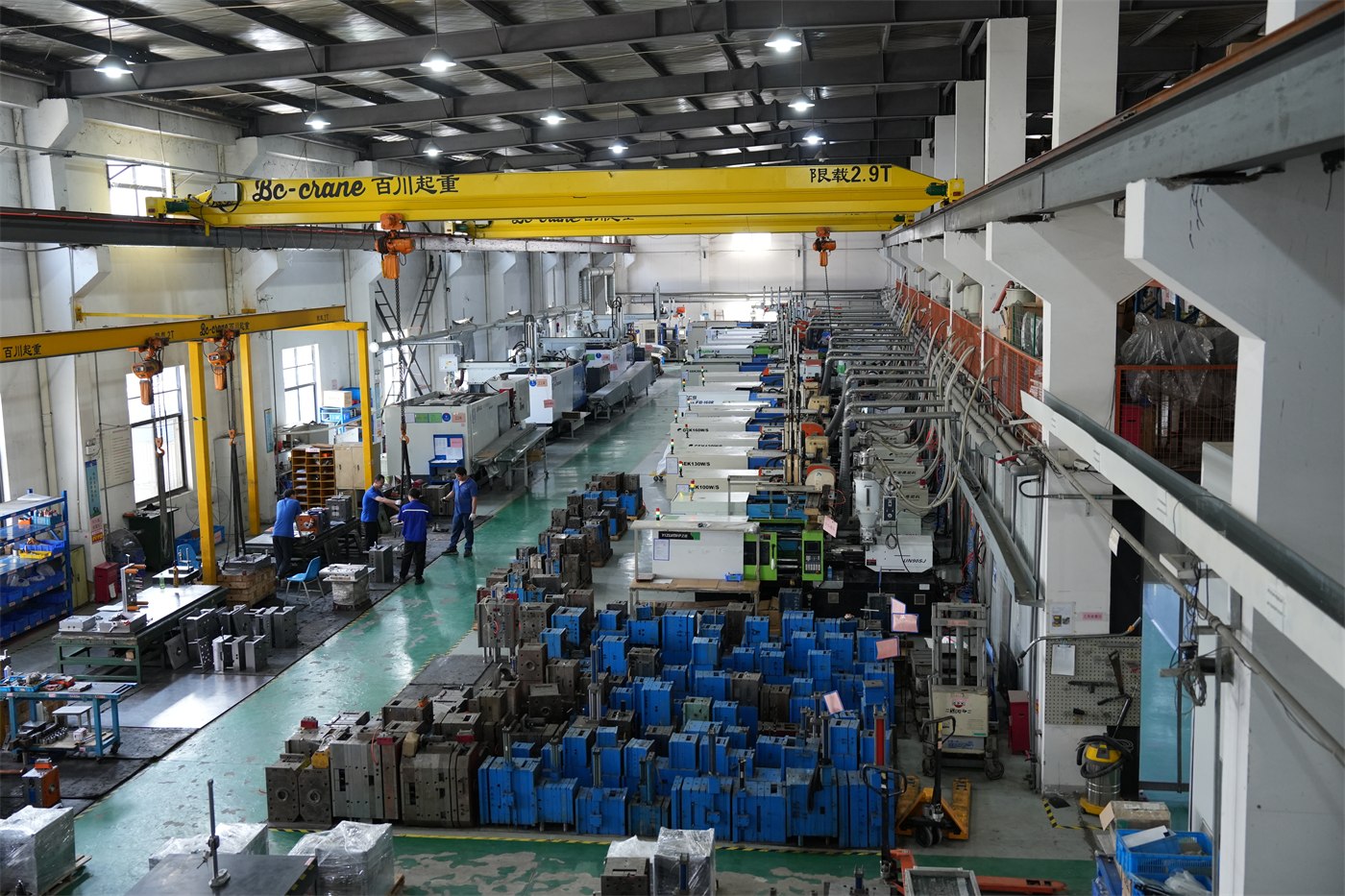
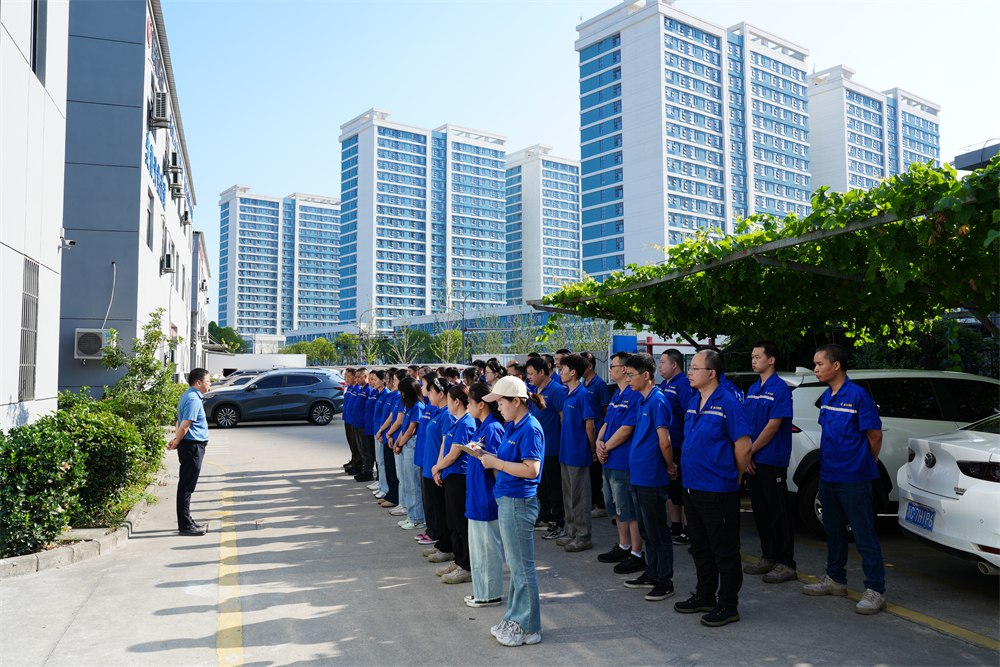
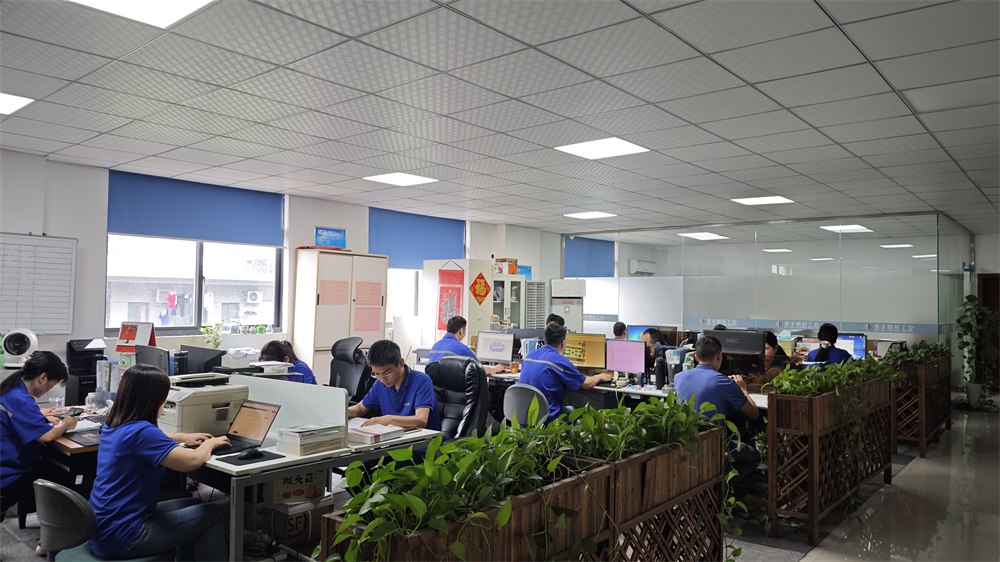
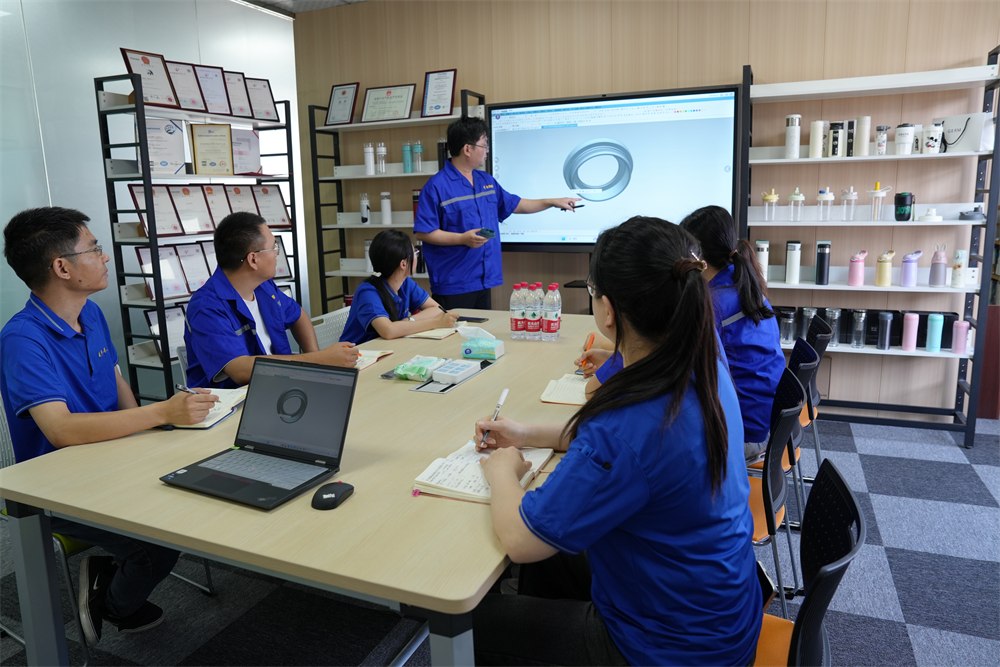
Kunshan Maifeng Precision Industry Co., Ltd. (MIF), with an investment of RMB 35 million, operates an independent factory covering more than 5,000 m². Our production resources include 36 single- and dual-color injection molding machines with clamping forces from 90 to 700 tons, more than 50 sets of mold manufacturing and processing equipment, and a service, management and production team of over 100 people.
We specialize in product design, mold manufacturing, injection molding and product assembly for a wide range of plastic parts. Our parent company was established in 2008. We provide customized services for small and medium-sized customers in domestic and international markets.
1. Product Design
We can conduct product structure design and optimization based on the drawings and samples provided by customers.
2. Mold Design
Based on customer requirements, we select an appropriate mold design scheme for the product and production plan.
3. Mold Manufacturing
We provide one-stop mold processing, including machining, polishing, assembly and other manufacturing processes.
4. Injection Molding
Our single- and dual-color injection molding machines support different product structures and order requirements.
5. Product Assembly
Product assembly and supporting production services are available according to project requirements.





 Chinese
  English