
Nullam dignissim, ante scelerisque the is euismod fermentum odio sem semper the is erat, a feugiat leo urna eget eros. Duis Aenean a imperdiet risus.
Nullam dignissim, ante scelerisque the is euismod fermentum odio sem semper the is erat, a feugiat leo urna eget eros. Duis Aenean a imperdiet risus.
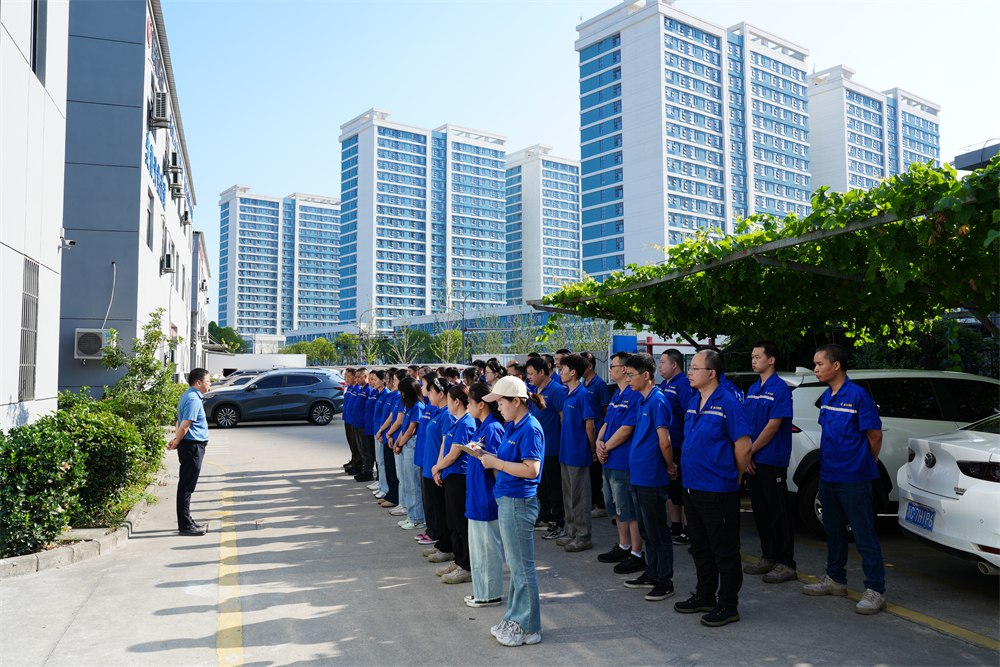
 Maifeng Precision Team
Corner damage often happens long before a product reaches its destination. A cabinet may be bumped during loading, a panel may shift while stacked, or a finished item may rub against neighboring cargo in storage. The damage is usually concentrated at the edges, where a relatively small impact can leave a visible dent, chip or scratch.
A molded PP plastic corner protector creates a replaceable barrier around these vulnerable areas. The part shown here is produced by Kunshan Maifeng Precision Industry Co., Ltd. through custom mold development and injection molding. Its job is simple, but reliable protection depends on the details behind the shape.
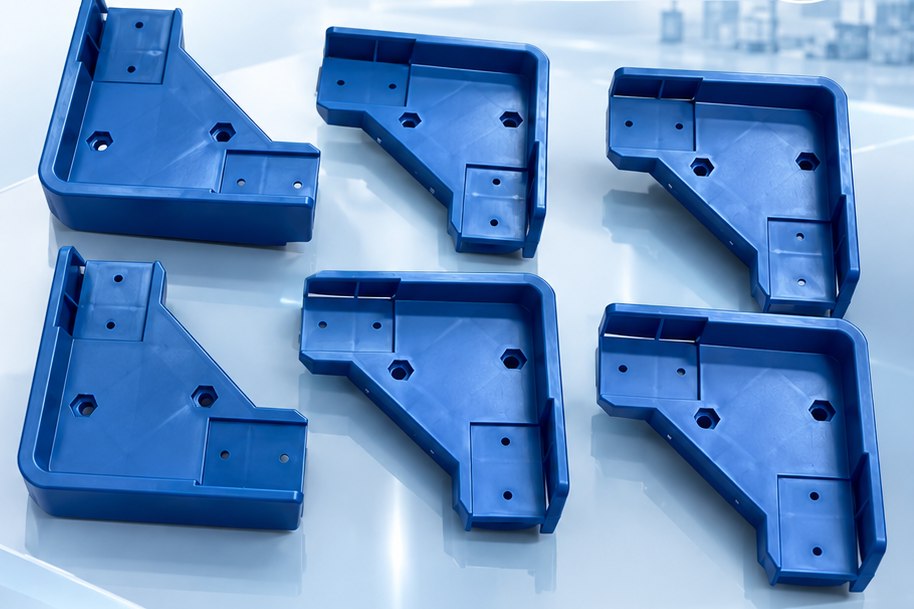
The protector sits between a product corner and the outside handling environment. Its raised walls help keep direct contact away from the protected edge, while the internal shape supports the part against the product. During handling, stacking and transport, this geometry helps spread local contact over a wider area.
Fit matters as much as toughness. If the protector is too loose, it can move or fall away. If it does not match the corner geometry, the load may remain concentrated in a small area. The required dimensions therefore come from the actual box, cabinet, panel or finished product rather than from a generic outside size alone.
The supplied design uses polypropylene, commonly called PP. It is lightweight and suitable for repeatable injection molding, making it practical for protective components that may be used in quantity. The source specification also identifies impact resistance and chemical resistance as useful material characteristics.
Actual performance depends on the selected PP grade, wall design, temperature, chemicals, loading method and service conditions. These details should be confirmed for each application instead of assuming that every PP formulation behaves the same way. Recyclability also depends on local collection systems, contamination and how the protector is combined with other materials.
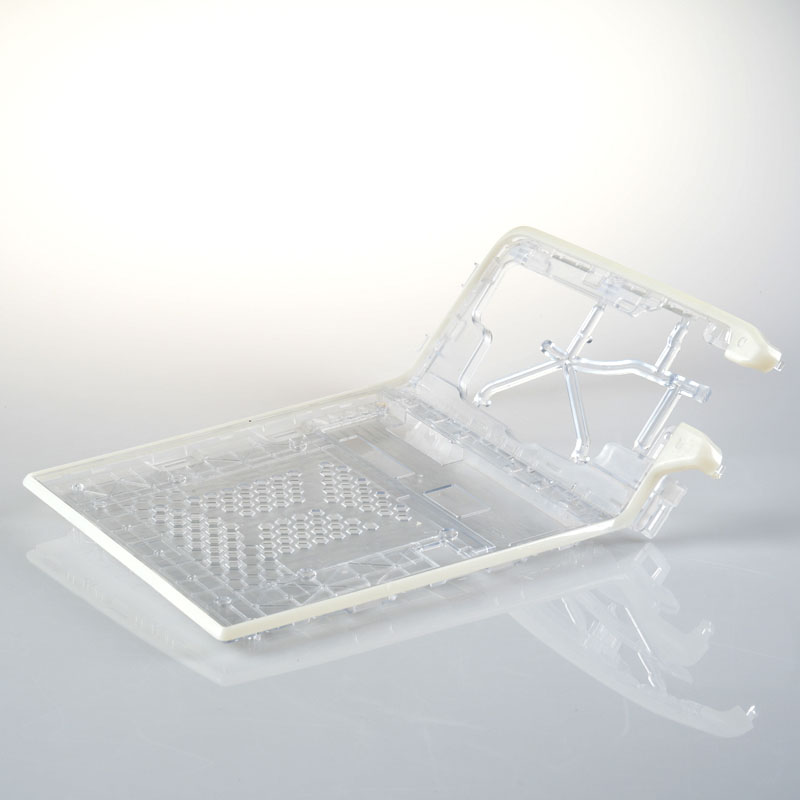
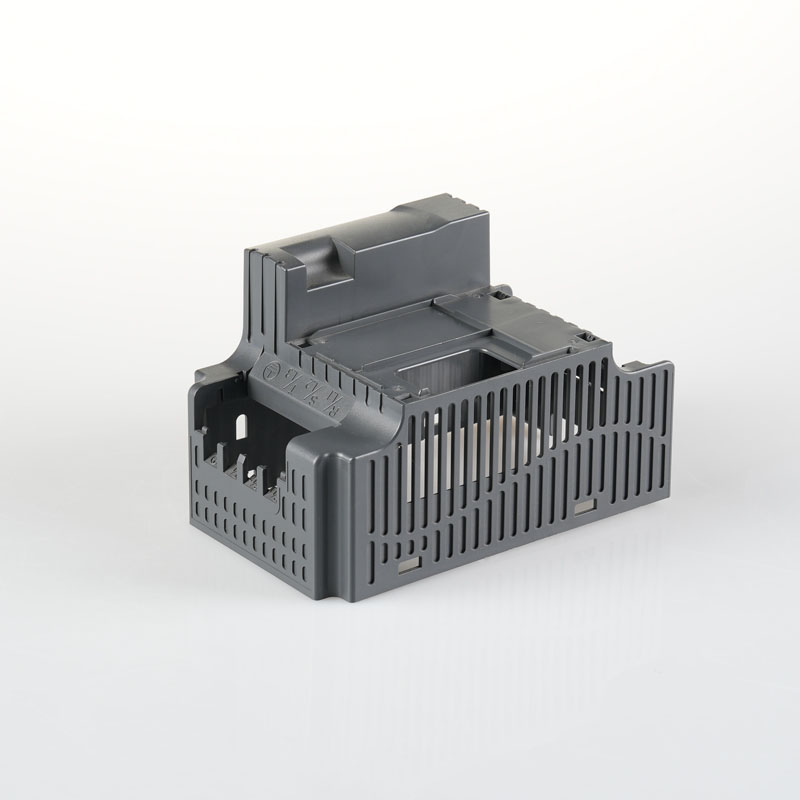
The inside of this corner guard shows how several functions can be molded together. Perimeter walls define the protected corner. Raised sections create local support, and molded ribs help the part retain its shape without making every area equally thick.
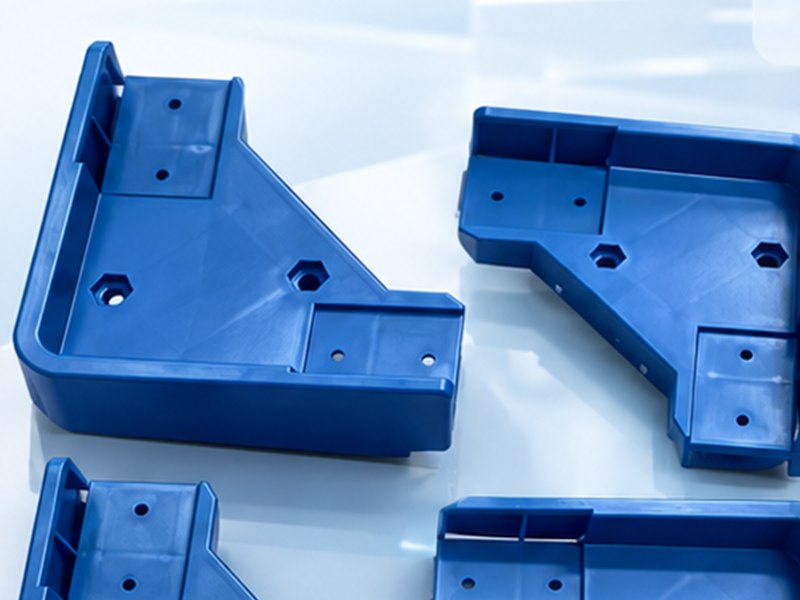
These features need to be reviewed together. Heavy sections can cool differently from thin ones and may affect appearance or dimensions. Sharp transitions may complicate filling, while inadequate draft can make ejection difficult. A moldable design balances protection, fit and production stability.
The round and hexagonal openings in the part can support different fixing or locating methods, depending on the customer’s assembly. Their positions must remain consistent so that the guard can be installed without forcing it out of alignment.
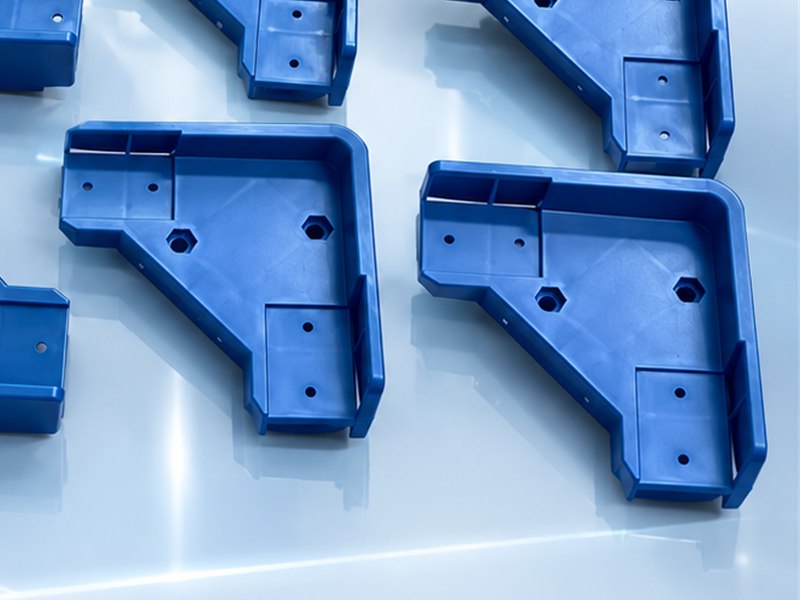
Hole size, spacing and surrounding wall thickness should be defined from the real fixing method. When drawings or mating parts are available, they give the mold designer a clearer basis for checking shrinkage allowance, ejection and the risk of local deformation.
Stable production begins before steel is cut. The team reviews the corner geometry, expected installation method, wall sections, draft and key dimensions. Gate location, cooling layout and ejection are then planned around the shape of the protector.
Trial molding provides the first opportunity to check filling, release, surface condition and fit. Where necessary, the mold or process is adjusted before batch production. Once the process is established, the same inspection points can be carried into regular production.
General appearance is only one part of inspection. The team also considers overall dimensions, wall condition, hole position and areas that contact the protected product. Where an assembly sample or customer standard is provided, fit can be checked against those requirements.
Packaging should prevent finished guards from being deformed or heavily rubbed before use. The suitable pack quantity and container arrangement depend on part size, order volume and delivery method.
For an initial review, customers can provide a 3D model, 2D drawing or physical sample of the required guard. Information about the protected product is equally useful: corner dimensions, installation method, expected load, storage and transport conditions, quantity and any appearance requirements.
These details help the team determine whether the current structure is suitable or whether wall sections, ribs, mounting features or material selection should be discussed before tooling begins.
If you need a corner protector matched to a specific product, send us the drawing, sample and application details. Maifeng Precision can review the structure and discuss a practical mold and production plan.
Email: Lucie-MF@mold-std.com
WhatsApp / WeChat: +86 17714886855
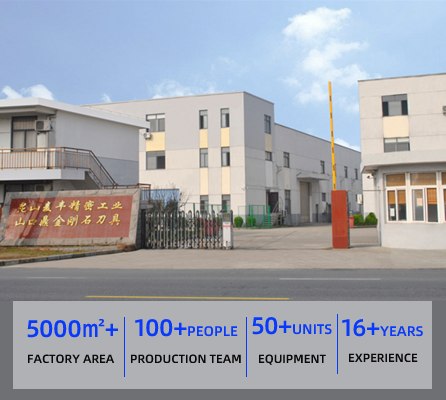
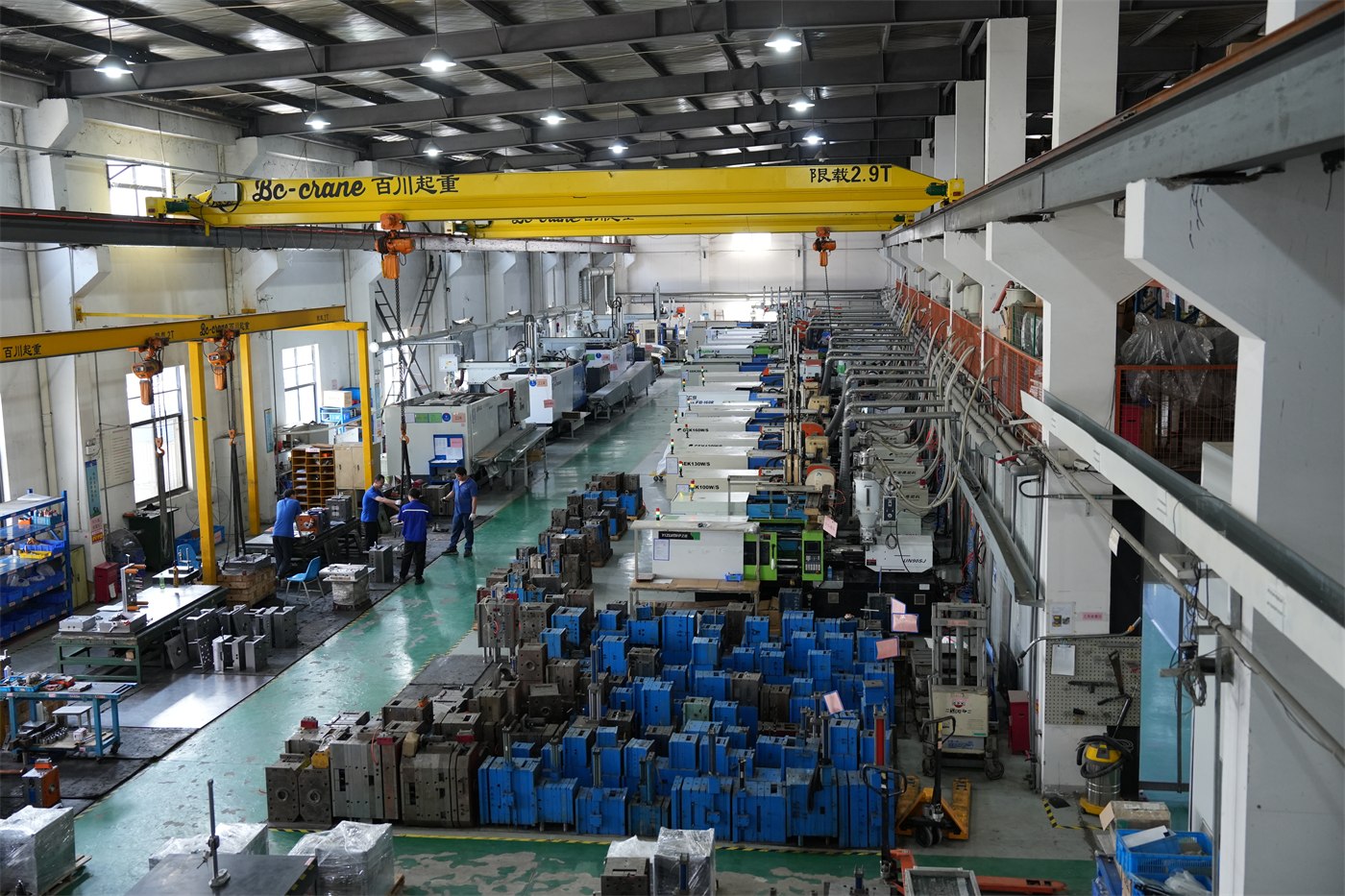
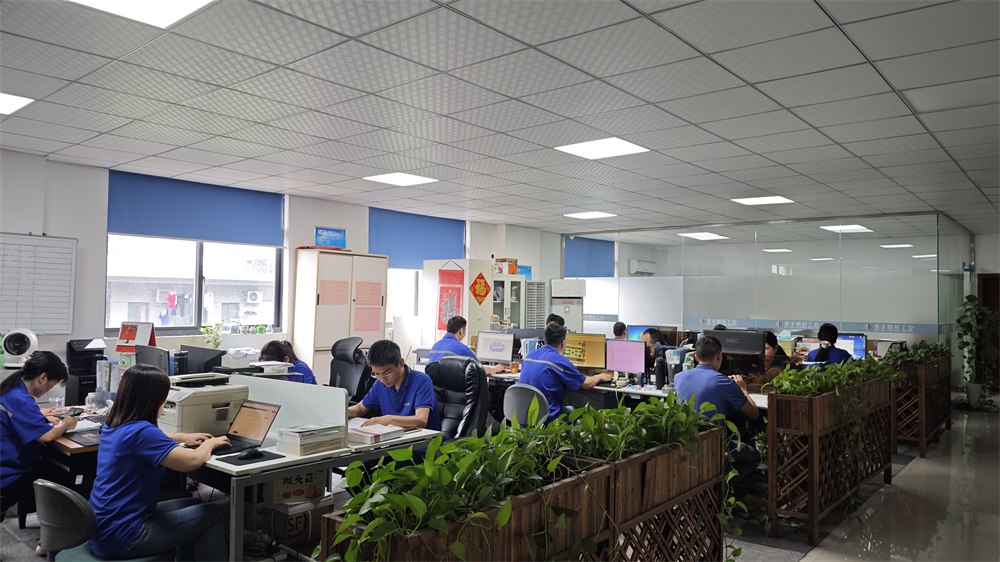
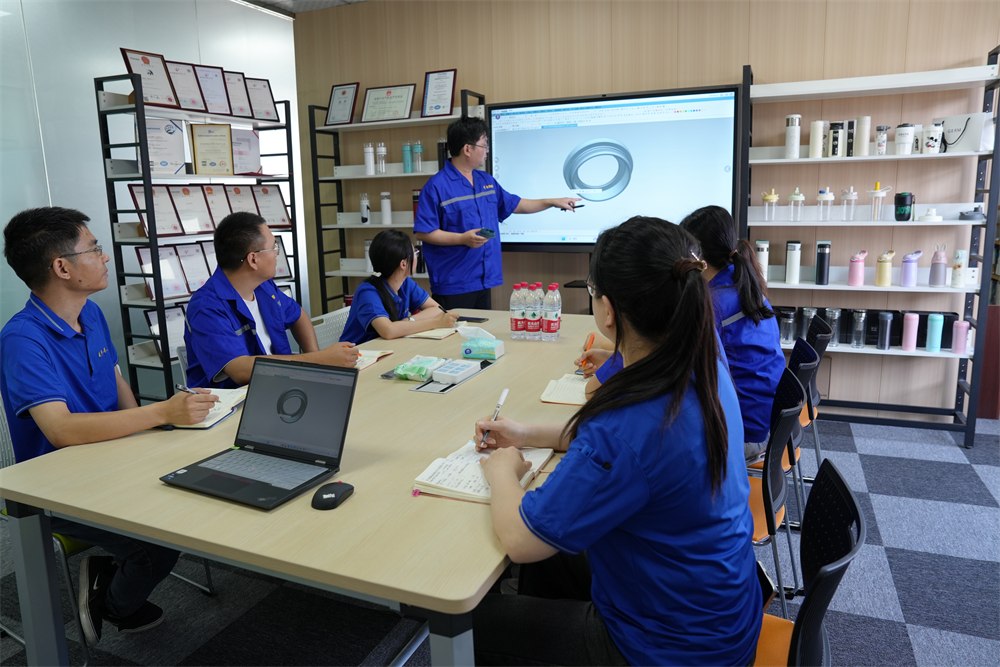
Kunshan Maifeng Precision Industry Co., Ltd. (MIF), with an investment of RMB 35 million, operates an independent factory covering more than 5,000 m². Our production resources include 36 single- and dual-color injection molding machines with clamping forces from 90 to 700 tons, more than 50 sets of mold manufacturing and processing equipment, and a service, management and production team of over 100 people.
We specialize in product design, mold manufacturing, injection molding and product assembly for a wide range of plastic parts. Our parent company was established in 2008. We provide customized services for small and medium-sized customers in domestic and international markets.
1. Product Design
We can conduct product structure design and optimization based on the drawings and samples provided by customers.
2. Mold Design
Based on customer requirements, we select an appropriate mold design scheme for the product and production plan.
3. Mold Manufacturing
We provide one-stop mold processing, including machining, polishing, assembly and other manufacturing processes.
4. Injection Molding
Our single- and dual-color injection molding machines support different product structures and order requirements.
5. Product Assembly
Product assembly and supporting production services are available according to project requirements.





 Chinese
  English